
Insulating Internal Walls: A Comprehensive Guide
When it comes to optimizing thermal insulation in your home, internal coiling (also known as cavity wall insulation) is a viable option. However, it’s not always possible to insulate the entire structure from the outside, and that’s where internal coiling comes in.
Why Coiled Internal Walls?
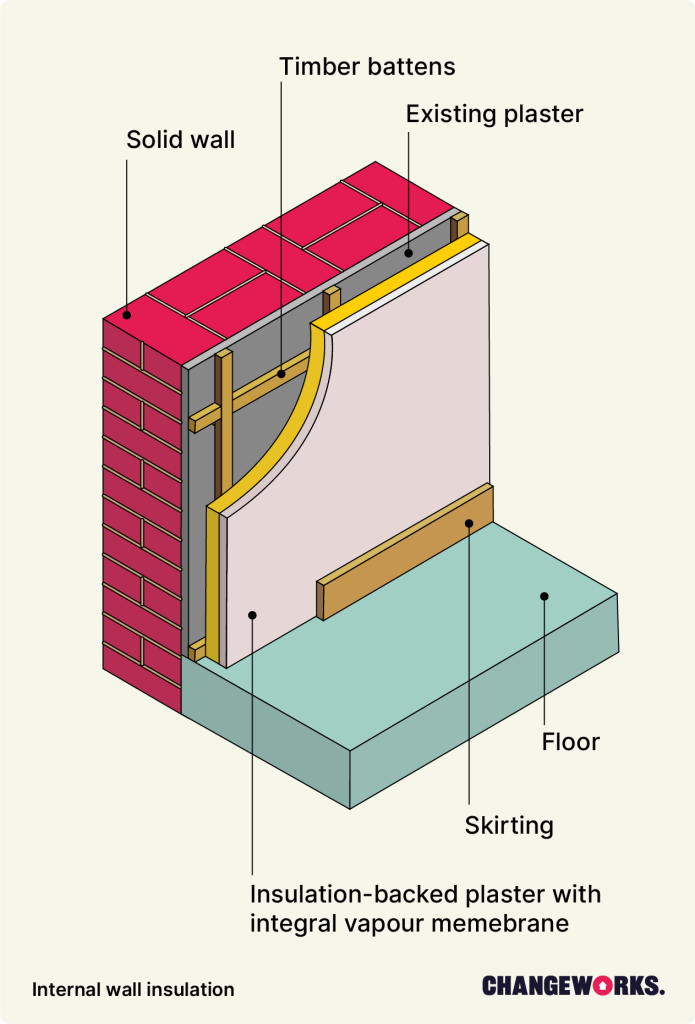
Internal coiling involves applying insulation material directly to the walls to reduce heat loss and improve energy efficiency. This method can be particularly useful when:
- The external wall is exposed to harsh weather conditions
- There’s inadequate heating or cooling in the building
- The internal wall is prone to moisture issues
Preparation is Key
Before proceeding with internal coiling, it’s essential to ensure that the walls are:
- Clean and dry
- Free from any obstructions
- Suitable for insulation material application
Benefits of Internal Coiling
Internal coiling offers several advantages, including:
- Energy Savings: By reducing heat loss, you can lower your energy bills and contribute to a more sustainable future.
- Improved Comfort: A well-insulated home provides a more comfortable living space, especially during extreme weather conditions.
- Moisture Control: Internal coiling helps prevent moisture buildup, which can lead to costly repairs and health issues.
Types of Insulation Materials
There are various insulation materials available for internal coiling, including:
- Cartongesso: A popular choice, cartongesso is a versatile material that can be applied quickly and easily.
- Perline di legno: A wooden alternative to traditional insulation materials, perline di legno offers a unique solution for those seeking a more natural approach.
Step-by-Step Guide
To coiled internal walls effectively:
- Prepare the wall surface by cleaning and drying it
- Apply a layer of antifungal product to prevent moisture buildup
- Install the insulation material, following the manufacturer’s instructions
- Ensure a tight seal between the insulation material and the wall
Common Challenges
Some common challenges associated with internal coiling include:
- Moisture Issues: Internal coiling can exacerbate moisture problems if not done correctly.
- Sweating Walls: If the insulation material is too dense, it can cause sweating walls.
Alternatives to Traditional Insulation
If traditional insulation methods are not feasible, consider alternative solutions like:
- Radiant Barriers: A cost-effective solution for insulating ceilings and floors
- Reflective Coatings: Apply reflective coatings to exterior windows and doors for added energy efficiency
Conclusion
Internal coiling is a viable option for optimizing thermal insulation in your home. By understanding the benefits, challenges, and alternatives available, you can make an informed decision about which method suits your needs best.
Frequently Asked Questions (FAQs)
- What are the primary benefits of internal coiling?
- Energy savings, improved comfort, and moisture control
- Which materials are suitable for internal coiling?
- Cartongesso, perline di legno, and other insulation materials
- How do I prepare the wall surface for internal coiling?
- Clean, dry, and free from obstructions
- What are some common challenges associated with internal coiling?
- Moisture issues and sweating walls
- Are there any alternative solutions to traditional insulation methods?
- Radiant barriers, reflective coatings, and other innovative approaches
Anna De Simone, March 31, 2014
When it comes to optimizing thermal insulation in your home, internal coiling (also known as cavity wall insulation) is a viable option. However, it’s not always possible to insulate the entire structure from the outside, and that’s where internal coiling comes in.
Internal coiling involves applying insulation material directly to the walls to reduce heat loss and improve energy efficiency. This method can be particularly useful when:
- The external wall is exposed to harsh weather conditions
- There’s inadequate heating or cooling in the building
- The internal wall is prone to moisture issues
The Importance of Preparation
Before proceeding with internal coiling, it’s essential to ensure that the walls are:
- Clean and dry
- Free from any obstructions
- Suitable for insulation material application
Benefits of Internal Coiling
Internal coiling offers several advantages, including:
- Energy Savings: By reducing heat loss, you can lower your energy bills and contribute to a more sustainable future.
- Improved Comfort: A well-insulated home provides a more comfortable living space, especially during extreme weather conditions.
- Moisture Control: Internal coiling helps prevent moisture buildup, which can lead to costly repairs and health issues.
Types of Insulation Materials
There are various insulation materials available for internal coiling, including:
- Cartongesso: A popular choice, cartongesso is a versatile material that can be applied quickly and easily.
- Perline di legno: A wooden alternative to traditional insulation materials, perline di legno offers a unique solution for those seeking a more natural approach.
Step-by-Step Guide
To coiled internal walls effectively:
- Prepare the wall surface by cleaning and drying it
- Apply a layer of antifungal product to prevent moisture buildup
- Install the insulation material, following the manufacturer’s instructions
- Ensure a tight seal between the insulation material and the wall
Common Challenges
Some common challenges associated with internal coiling include:
- Moisture Issues: Internal coiling can exacerbate moisture problems if not done correctly.
- Sweating Walls: If the insulation material is too dense, it can cause sweating walls.
Alternatives to Traditional Insulation
If traditional insulation methods are not feasible, consider alternative solutions like:
- Radiant Barriers: A cost-effective solution for insulating ceilings and floors
- Reflective Coatings: Apply reflective coatings to exterior windows and doors for added energy efficiency
Conclusion
Internal coiling is a viable option for optimizing thermal insulation in your home. By understanding the benefits, challenges, and alternatives available, you can make an informed decision about which method suits your needs best.
Frequently Asked Questions (FAQs)
- What are the primary benefits of internal coiling?
- Energy savings, improved comfort, and moisture control
- Which materials are suitable for internal coiling?
- Cartongesso, perline di legno, and other insulation materials
- How do I prepare the wall surface for internal coiling?
- Clean, dry, and free from obstructions
- What are some common challenges associated with internal coiling?
- Moisture issues and sweating walls
- Are there any alternative solutions to traditional insulation methods?
- Radiant barriers, reflective coatings, and other innovative approaches
By following the steps outlined above and understanding the benefits and challenges of internal coiling, you can make an informed decision about which method suits your needs best. Don’t hesitate to seek professional advice if needed.
Insulating Internal Walls: A Guide for Homeowners
Internal coiling is a popular method for optimizing thermal insulation in homes. However, it’s not always possible to insulate the entire structure from the outside, and that’s where internal coiling comes in.
Understanding Internal Coiling
Internal coiling involves applying insulation material directly to the walls to reduce heat loss and improve energy efficiency. This method can be particularly useful when:
- The external wall is exposed to harsh weather conditions
- There’s inadequate heating or cooling in the building
- The internal wall is prone to moisture issues
Benefits of Internal Coiling
Internal coiling offers several advantages, including:
- Energy Savings: By reducing heat loss, you can lower your energy bills and contribute to a more sustainable future.
- Improved Comfort: A well-insulated home provides a more comfortable living space, especially during extreme weather conditions.
- Moisture Control: Internal coiling helps prevent moisture buildup, which can lead to costly repairs and health issues.
Types of Insulation Materials
There are various insulation materials available for internal coiling, including:
- Cartongesso: A popular choice, cartongesso is a versatile material that can be applied quickly and easily.
- Perline di legno: A wooden alternative to traditional insulation materials, perline di legno offers a unique solution for those seeking a more natural approach.
Step-by-Step Guide
To coiled internal walls effectively:
- Prepare the wall surface by cleaning and drying it
- Apply a layer of antifungal product to prevent moisture buildup
- Install the insulation material, following the manufacturer’s instructions
- Ensure a tight seal between the insulation material and the wall
Common Challenges
Some common challenges associated with internal coiling include:
- Moisture Issues: Internal coiling can exacerbate moisture problems if not done correctly.
- Sweating Walls: If the insulation material is too dense, it can cause sweating walls.
Alternatives to Traditional Insulation
If traditional insulation methods are not feasible, consider alternative solutions like:
- Radiant Barriers: A cost-effective solution for insulating ceilings and floors
- Reflective Coatings: Apply reflective coatings to exterior windows and doors for added energy efficiency
By understanding the benefits and challenges of internal coiling, you can make an informed decision about which method suits your needs best.
Insulation Materials
There are various insulation materials available for internal coiling, including:
- Cartongesso
- Perline di legno
- Fiberglass batts
- Cellulose insulation
Insulation Installation Process
The insulation installation process typically involves the following steps:
- Preparation: Cleaning and drying the wall surface.
- Application of antifungal product to prevent moisture buildup.
- Installation of the insulation material, following the manufacturer’s instructions.
- Ensuring a tight seal between the insulation material and the wall.
Common Challenges Associated with Internal Coiling
Some common challenges associated with internal coiling include:
- Moisture Issues: Internal coiling can exacerbate moisture problems if not done correctly.
- Sweating Walls: If the insulation material is too dense, it can cause sweating walls.
By understanding the benefits and challenges of internal coiling, you can make an informed decision about which method suits your needs best.


