
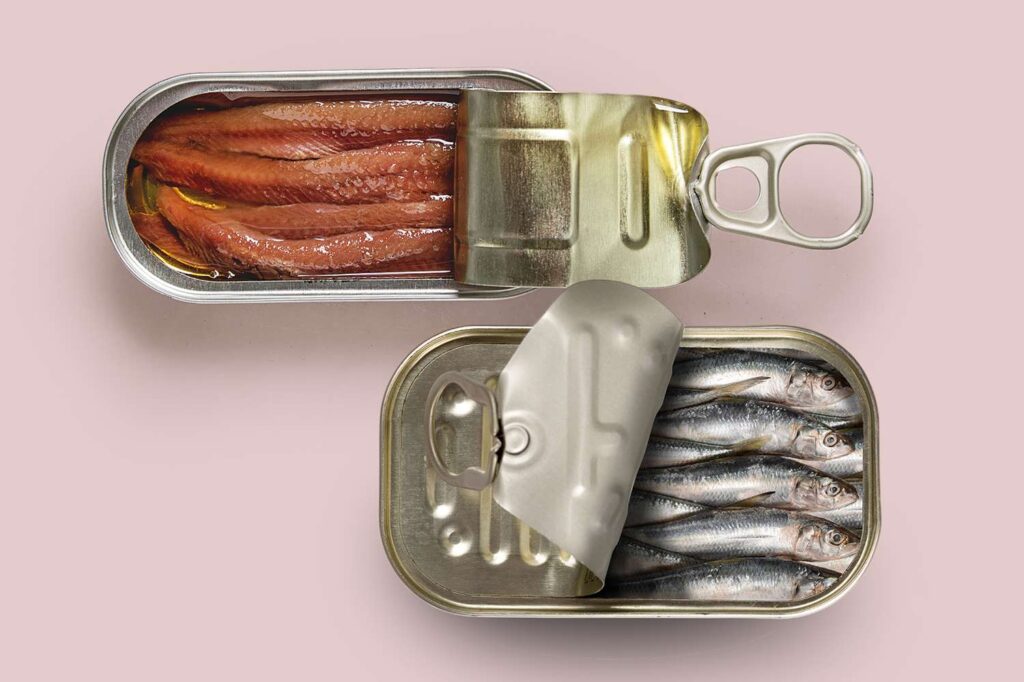
As a seafood enthusiast, have you ever wondered what sets mackerel, anchovies, and sardines apart? These three types of fish are often confused with one another, but they belong to different species with distinct characteristics. In this article, we’ll delve into the world of bluefish and explore the differences between mackerel and anchovies, as well as the similarities and distinctions between sardines and anchovies.
Mackerel vs Anchovies: A Regional Variation
The first thing you need to know is that mackerel and anchovies are not exactly interchangeable terms. While both refer to the same fish (Engraulis encrasicolus), their names have regional variations. In some parts of Italy, particularly in Neapolitan and Sicilian dialects, the term “mackerel” is used to describe this fish, while in other areas, it’s referred to as “anchovy.” This variation highlights the complexities of language and the way we categorize food.
The Origins of Names
So, where do these names come from? The word “anchovy” has its roots in Latin (“apiuva”), which was later influenced by Ligurian dialects. On the other hand, the term “mackerel” is derived from the Latin “hallex,” a type of sauce made from the entrails of this fish.
Mackerel vs Anchovies: What’s the Difference?
In reality, there isn’t much difference between mackerel and anchovies. The distinction lies mainly in regional terminology. If you’re looking for a more nuanced understanding of these fish, let’s explore some key differences:
- Body shape: Mackerel have a slender body with an elongated, cylindrical shape, while anchovies are slightly smaller and have a more defined ventral crest.
- Scales: Anchovies have rigid scales on their belly that form a row of points (scutelli), whereas mackerel do not have these rigid scales.
- Size: In general, sardines have a larger body than mackerel or anchovies. They typically measure 20-25 cm in length, while mackerel and anchovies are usually around 15-18 cm long.
Sardines vs Anchovies: Don’t Be Confused!
While sardines and anchovies are both bluefish, they belong to different families and have distinct characteristics. Here are some key differences:
- Body shape: Sardines have a more flattened body with a typical dorsal ventral crest of rigid scales, whereas anchovies are slender with an elongated, cylindrical shape.
- Size: As mentioned earlier, sardines tend to be larger than mackerel or anchovies. They usually measure 20-25 cm in length, while mackerel and anchovies are around 15-18 cm long.
- Appearance: Sardines have a more pointed snout than mackerel.
Identifying Fresh Mackerel
To ensure you’re getting fresh mackerel (or anchovies), look out for these visual characteristics:
- Eyes: Mackerel should have striking eyes with visible veins and a reddish color.
- Body: A sodden body is essential for freshness. Avoid fish with dry or wrinkled flesh.
- Colors: Fresh mackerel should have defined colors, while older or poorly preserved anchovies may lack luster and definition.
Tips for Buying Fresh Sardines
When purchasing sardines, keep an eye out for these indicators of freshness:
- Eyes: Look for clear, bright eyes with visible veins.
- Body shape: Ensure the fish has a flattened body with a typical dorsal ventral crest of rigid scales.
- Size: Opt for larger sardines (around 20-25 cm in length) for better flavor and texture.
Frequently Asked Questions
- Are mackerel and anchovies the same fish?
No, while both refer to the same fish (Engraulis encrasicolus), their names have regional variations. - What’s the difference between sardines and anchovies?
Sardines are more slender with an elongated, cylindrical shape, while anchovies have a defined ventral crest and tend to be larger than mackerel or anchovies. - Can you touch a fresh sardine to check if it’s fresh?
Yes, the dorsal fin of a sardine is much more rigid than that of an anchovy, making it easier to distinguish between the two species through touch. -
Are there any health benefits associated with eating mackerel or anchovies?
Both fish are rich in omega-3 fatty acids and other nutrients, which can contribute to heart health and brain function. -
Can I substitute sardines for anchovies in a recipe?
While both fish have similar textures and flavors, they have distinct differences that may affect the final dish. Sardines tend to be more delicate, while anchovies are often used for their strong umami flavor. - How long can mackerel or anchovies be stored before consuming them?
Both fish should be consumed within a few days of purchase to ensure optimal freshness and flavor. -
Can I freeze sardines or anchovies for later use?
While freezing can help preserve the fish, it may affect their texture and flavor. Freshness is crucial when using frozen seafood. -
Are there any cultural or historical associations with mackerel or anchovies in different regions?
Both fish have played significant roles in various cuisines throughout history, particularly in Mediterranean cultures.
By understanding the differences between mackerel, anchovies, and sardines, you can make informed choices when purchasing seafood and enjoy these delicious bluefish to their fullest potential.


