
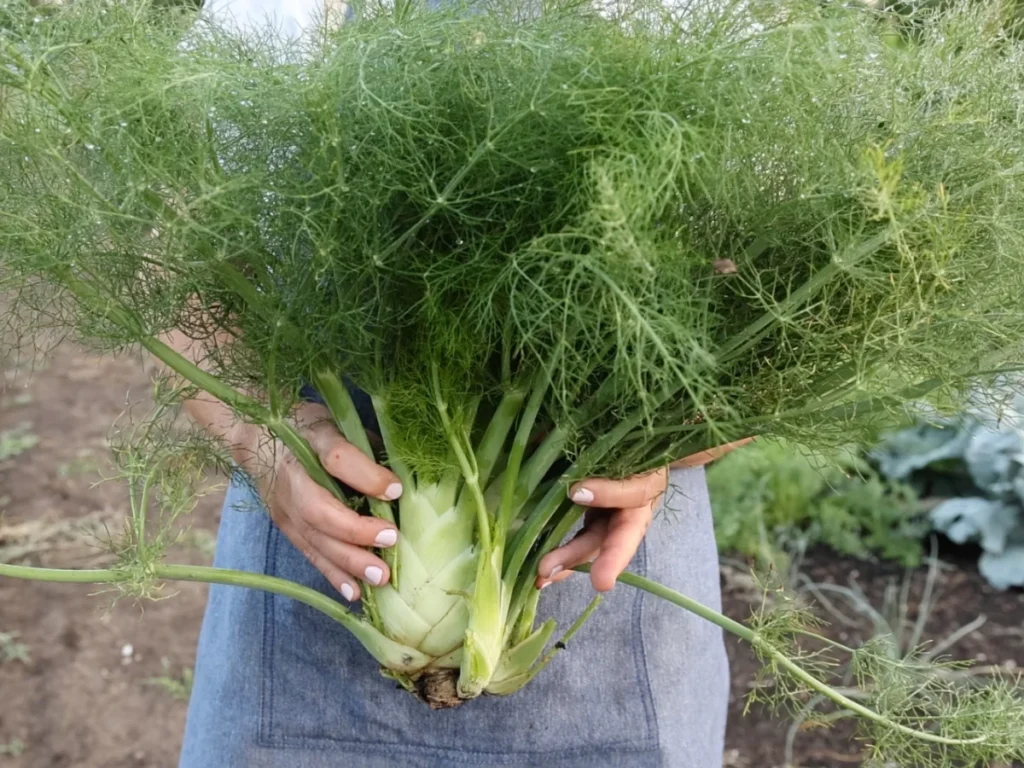
As the seasons change and autumn arrives, it’s time to prepare our gardens for new plantings. Among the many vegetables that thrive in cooler temperatures is fennel. In this article, we’ll delve into the world of fennel cultivation, exploring its different varieties, growing requirements, and care tips.
Understanding Fennel Varieties
Fennel is a versatile crop that can be grown both wild (wild fennel) and as an edible plant (domesticated fennel). The two types are essentially the same species, Foeniculum vulgare. Wild fennel is a weed that grows freely and produces seeds (finocchietti), which can be harvested in autumn.
Domesticated fennel, on the other hand, comes in various varieties, each with its unique characteristics:
- Gigante di Napoli: A popular variety from Naples, known for its large size and sweet flavor.
- Grosso di Sicilia: Hails from Sicily and features a robust growth habit and crunchy texture.
- Bianco di Firenze: Originates from Florence and boasts a delicate white color and mild taste.
- Finocchio di Parma: A classic variety from Parma, prized for its sweet anise flavor.
- Finocchio di Fracchia: Grows well in the Fracchia region of Italy and offers a balanced flavor profile.
When to Plant Fennel
Fennel can be planted at two distinct times:
- Spring: For summer harvests, plant fennel seeds from January to February.
- Fall: For winter or early spring harvests, sow seeds from July to October.
Keep in mind that the timing of planting depends on your location and climate.
Preparing the Soil
To grow healthy fennel, prepare a well-draining soil with a pH between 6.5 and 7.0. Add organic matter such as compost or manure to enrich the soil.
Planting Fennel
When planting fennel, ensure it receives full sun (at least 6 hours of direct sunlight) and protection from strong winds.
- Sowing seeds: Plant seeds 1-2 inches deep and 12-18 inches apart in well-draining soil.
- Thinning seedlings: Thin seedlings to 6-8 inches apart to promote healthy growth.
Caring for Fennel
Maintain a consistent moisture level, but avoid overwatering. Mulch around the plants to retain moisture and suppress weeds.
- Irrigation: Water fennel deeply once or twice a week, depending on weather conditions.
- Fertilization: Feed your fennel with a balanced fertilizer during the growing season.
Common Problems
Be aware of common issues that may affect your fennel crop:
- Pests: Keep an eye out for pests like aphids and spider mites, which can damage leaves and reduce yields.
- Diseases: Regularly inspect your plants for signs of fungal infections or root rot.
Harvesting Fennel
Fennel is ready to harvest when the plant reaches its mature size (about 3-4 months after planting). Use a sharp knife or pruning shears to cut the stalks just above the soil line.
Tips and Variations
To optimize your fennel crop, consider these additional tips:
- Succession planting: Plant new batches of seeds every few weeks to ensure a continuous harvest.
- Container growing: Grow fennel in containers, providing adequate drainage and sunlight.
- Pairing with other crops: Pair fennel with complementary vegetables like lettuce, radishes, and carrots.
By following these guidelines and adapting to your local climate, you’ll be able to grow delicious and nutritious fennel at home.
Frequently Asked Questions
Here are some frequently asked questions about growing fennel:
Q: How often should I water my fennel crop?
A: Water your fennel crop regularly, but avoid overwatering. Aim for a consistent moisture level throughout the growing season.
Q: Can I grow fennel in a container?
A: Yes! Fennel can thrive in containers as long as they have adequate drainage and sunlight.
Q: What are some common pests that affect fennel crops?
A: Pests like aphids, spider mites, and root maggots can damage your fennel crop. Regularly inspect your plants to catch any issues early.
Q: Can I grow fennel in the winter or spring?
A: Yes! Fennel can be planted at two distinct times: spring for summer harvests and fall for winter or early spring harvests.
Q: How long does it take for fennel to mature?
A: Fennel typically takes 3-4 months to reach maturity after planting.
Growing Fennel in Different Climate Zones
Fennel can be grown in various climate zones, but its growth and productivity may vary depending on the region:
- Temperate climates: Fennel thrives in temperate climates with mild winters and cool summers. Plant seeds in spring or fall for optimal results.
- Tropical climates: In tropical regions, fennel can be grown year-round, but it’s essential to provide protection from extreme temperatures and humidity.
- Cold climates: Fennel can tolerate light frosts, but prolonged periods of frost can damage the plant. Plant seeds in spring for a summer harvest.
Growing Fennel in Different Soil Types
Fennel can grow well in various soil types, but its growth may be affected by certain conditions:
- Well-draining soils: Fennel prefers well-draining soils to prevent waterlogged roots. Add organic matter to improve soil structure and drainage.
- Heavy clay soils: Fennel can tolerate heavy clay soils, but its growth may be slow due to poor drainage.
- Sandy soils: Fennel can grow in sandy soils, but it may require more frequent watering.
Growing Fennel with Companion Plants
Companion planting is a technique that involves growing different plants together to improve their growth and productivity. Fennel can be paired with various companion plants to enhance its flavor and nutritional value:
- Lettuce: Planting lettuce alongside fennel can help deter pests and attract beneficial insects.
- Radishes: Radish seeds can be interplanted with fennel seeds to improve soil health and reduce pests.
- Carrots: Carrot roots can be planted beside fennel to repel pests and improve its growth.
By understanding the different requirements of fennel cultivation, you’ll be able to optimize your harvest and enjoy a bountiful crop of delicious and nutritious fennel.


