
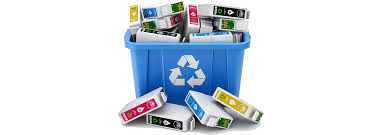
As we continue to rely on technology in our daily lives, it’s essential to consider the environmental impact of our actions. One often-overlooked aspect is the disposal of used printer cartridges and toner. In this article, we’ll explore the importance of proper disposal, identify the best practices for handling these materials, and discuss the recycling process.
What are printer cartridges and toner?
Printer cartridges and toner are classified as special waste due to their unique composition and potential environmental hazards. Both laser printers and inkjet printers generate used cartridges that contain hazardous materials, such as toxic chemicals and heavy metals.
Laser printers use a drum and toner to produce the printed image, while inkjet printers use a combination of water-based inks and small particles suspended in the ink.
Why is proper disposal necessary?
Proper disposal of printer cartridges and toner is crucial for maintaining a clean environment. Improper disposal can lead to contamination of soil, waterways, and air quality. Additionally, many municipalities have specific guidelines for handling these materials, and non-compliance can result in fines or penalties.
The Environmental Protection Agency (EPA) classifies printer cartridges as hazardous waste due to the presence of toxic chemicals such as volatile organic compounds (VOCs), heavy metals, and other pollutants.
Free Collection Services: A Convenient Option
Several organizations offer free collection services for printer cartridges and toner. However, this service is only available for certain types of cartridges, such as those that can be reused or refilled. If you’re unsure about the type of cartridge you have, it’s best to contact the collection center directly.
In the United States, for example, the National Waste & Recycling Association (NWRA) offers a free printer cartridge recycling program through its member companies.
Pay-Per-Collection Services: A Costly Alternative
If you don’t qualify for free collection services, you may need to use a pay-per-collection service. This option can be more expensive than recycling or donating your cartridges, but it ensures that your materials are handled responsibly.
Private companies such as UPS and FedEx offer paid collection services for printer cartridges. However, these services often come with additional costs and requirements.
Home Collection and Community Recycling Centers
Individuals and businesses can take their printer cartridges and toner to community recycling centers or designated drop-off points. These locations often provide specialized equipment for sorting and processing the materials.
The EPA provides a list of local collection events on its website, where individuals can bring their used printer cartridges for proper disposal.
Why Recycle Printer Cartridges?
Recycling printer cartridges is an essential step in reducing waste and conserving natural resources. When you recycle your cartridges, you help:
- Recover valuable materials, such as metal and plastic
- Reduce landfill waste
- Conserve energy and water
The recycling process also helps to reduce the environmental impact of manufacturing new printer cartridges, which require significant amounts of energy and raw materials.
The Recycling Process: A Detailed Overview
When it comes to recycling printer cartridges, the process is complex and involves several stages:
- Collection and sorting of used cartridges
- Disassembly and separation of materials
- Cleaning and preparation for reuse
- Refurbishment or repurposing of recovered components
The recycling process typically begins with collection, where used printer cartridges are sorted by type and material.
Next, the cartridges are disassembled to extract the usable components, such as toner or ink. The remaining materials are then cleaned and prepared for reuse.
Finally, the recycled components are refurbished or repurposed into new products, such as reusable print drums or plastic pellets.
The Benefits of Recycling Toner
Toner is a critical component in the printing process, but it’s often overlooked during disposal procedures. By recycling toner, you can:
- Conserve natural resources, such as copper and tin
- Reduce energy consumption and greenhouse gas emissions
- Help maintain a clean environment
The recycling of toner also helps to reduce waste and conserve landfill space.
FAQs: Frequently Asked Questions About Printer Cartridge Recycling
- What types of printer cartridges can be recycled?
- Laser printers and inkjet printers with reusable cartridges or toner.
- How do I find a community recycling center near me?
- Search online for “recycling centers near me” or contact your local waste management agency.
- Can I recycle all types of printer cartridges?
- No, only certain types of cartridges can be recycled; consult with the collection center to determine eligibility.
- What happens to the materials after recycling?
- Recovered materials are reused or repurposed to minimize waste and conserve natural resources.
By understanding the importance of proper disposal and implementing best practices for handling printer cartridges and toner, we can contribute to a more sustainable future.


