
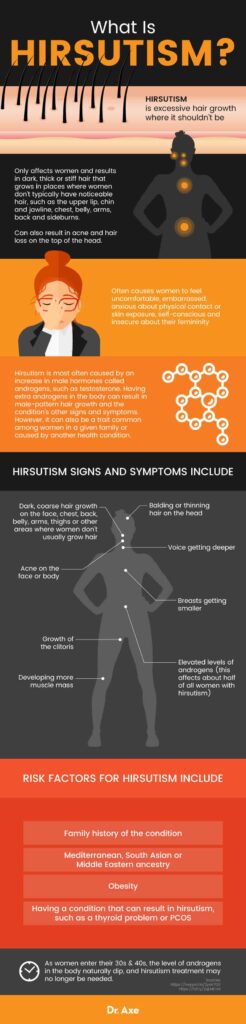
Irsutismo, often confused with hypertrichosis, are two similar problems that differ in their underlying causes and treatments. While we may not see these conditions firsthand, it’s fascinating to delve deeper and debunk stereotypes and misconceptions that can harm those who suffer from them.
Causes of Irsutismo
Irsutismo can be linked to endocrine disorders affecting the adrenal glands, which are the primary producers of testosterone in women. There are cases where this condition is not associated with apparent illnesses or predisposing factors, making it idiopathic irsutismo.
One key difference between the two conditions is that excessive testosterone secretion is the cause in the first case, while abnormal sensitivity to androgens is more likely in the second case. Certain medications can also contribute to irsutismo, where the origin of the disorder is iatrogenic, meaning caused by medication.
Possible causes include low levels of SHBG (sex hormone-binding globulin), decreased estrogen levels, or increased numbers of androgen receptors.
Diagnosis of Irsutismo
When discussing irsutismo, we’re referring to an abnormal presence of hard and coarse hair in women, particularly in areas where male hair is not typically present. These areas include the upper lip, chin, abdomen, back, chest area around the nipples, and the skin around the areola.
In some cases, a characteristic losanga (angled) distribution of pubic hair can also confirm the presence of irsutismo in women.
Mento Irsutismo: A Common Area Affected
The chin is one of the most visible areas where this problem manifests. In some cases, surgical removal may be necessary if medication doesn’t work or isn’t feasible due to medical reasons. Medications commonly prescribed for this condition include those that reduce testosterone production and/or increase estrogen levels, as well as others designed to inhibit dihydrotestosterone (DHT) conversion.
Male Irsutismo: A Rare Condition
Irsutismo typically affects women, by definition, since it refers to the presence of male hair in female bodies. Men, by default, have more hair, which is linked to higher levels of androgens in their bodies.
However, some men can develop irsutismo due to specific hormonal imbalances or genetic conditions. It’s essential for these individuals to consult with a healthcare professional to rule out any underlying medical conditions.
Natural Remedies for Irsutism
To address this condition naturally, some lifestyle adjustments can be made. A key starting point is modifying your diet: consume foods rich in antioxidants such as berries (mirtilli, ciliegie, pomodori), leafy greens (zucchini, bell peppers). Avoid refined foods like white bread, pasta, and especially added sugars.
Opt for lean protein sources, including fish, tofu, and legumes. Limit processed products high in unhealthy fats and choose olive oil instead. Alcohol and tobacco are detrimental to those suffering from irsutismo; stay hydrated by drinking plenty of water and maintain regular physical activity.
Some practitioners also recommend acupuncture as a complementary therapy, although there is no conclusive evidence of its effectiveness at this time.
Understanding the Difference Between Irsutismo and Hypertrichosis
While both conditions can manifest with excessive hair growth, they differ in terms of quantity and quality. Hypertrichosis refers solely to an increase in the amount of hair, whereas irsutismo involves not only increased but also altered hair texture and presence.
Don’t confuse irsutismo with “having more hair than average.” This condition is characterized by having numerous, differently textured hair growths typically found on areas typically associated with male hair, such as face, torso, or hands/feet.
Frequently Asked Questions
Q: Is Irsutismo the same as Hypertrichosis?
A: No; although they appear similar at first glance, these conditions have distinct causes and characteristics.
Q: Can Men Get Irsutismo?
A: Yes; however, it is a rare condition typically affecting women due to differences in hormonal balances between genders.
Q: How Is Irsutismo Diagnosed?
A: Typically involves visual observation of affected areas; further confirmation may involve medical tests or specialized examinations.
Q: What Are Some Natural Remedies for Irsutismo?
A: Incorporating specific foods into your diet (e.g., berries, leafy greens), limiting unhealthy food options and avoiding alcohol can help alleviate symptoms.
Medical Treatment Options
While natural remedies can provide relief, medical treatment may be necessary in some cases. In general, the goal of treatment is to reduce testosterone levels or increase estrogen levels, promoting a more balanced hormonal environment.
Some common medications used for irsutismo include:
- Gonadotropin-releasing hormone (GnRH) agonists: These medications can help decrease testosterone production.
- Anti-androgen medications: These medications can block the effects of androgens, which contribute to hair growth.
- Spironolactone: This medication can help block the effects of dihydrotestosterone (DHT), a potent form of testosterone.
Surgical Options
In some cases, surgical removal may be necessary if medication doesn’t work or isn’t feasible due to medical reasons. This procedure is typically performed under local anesthesia and involves removing the affected hair growths.
Prevention and Management
While there’s no guaranteed way to prevent irsutismo, maintaining a balanced diet and regular exercise routine can help regulate hormonal imbalances and reduce symptoms.
Managing stress through techniques like meditation or yoga can also aid in reducing androgen-related disorders.
Conclusion
Irsutismo is an often-misunderstood condition that requires awareness, understanding, and support. By recognizing its causes, symptoms, and natural remedies, individuals can take the first step towards a more balanced life.
Additional Resources
For those seeking additional information or support, consider consulting with:
- A healthcare professional specializing in endocrine disorders
- A registered dietitian for personalized nutrition advice
- A therapist for stress management and emotional support
Remember, knowledge is power. Educate yourself about irsutismo and help dispel stereotypes surrounding this condition.
Final Thoughts
Irsutismo may be a rare condition, but its impact can be significant on an individual’s mental health and well-being. By embracing awareness, understanding, and support, we can create a more inclusive environment for those affected by this condition.
As we continue to explore the complexities of irsutismo, let us prioritize compassion, empathy, and education – empowering individuals to take control of their lives and strive for optimal health.


