
The Indoor Air Pollution from Tobacco Smoke: Consequences for Human Health and Environmental Impact
In this article, we will discuss the importance of handling indoor air pollution from tobacco smoke and its consequences on human health, as well as its impact on the environment.
Indoor Air Pollution from Tobacco Smoke
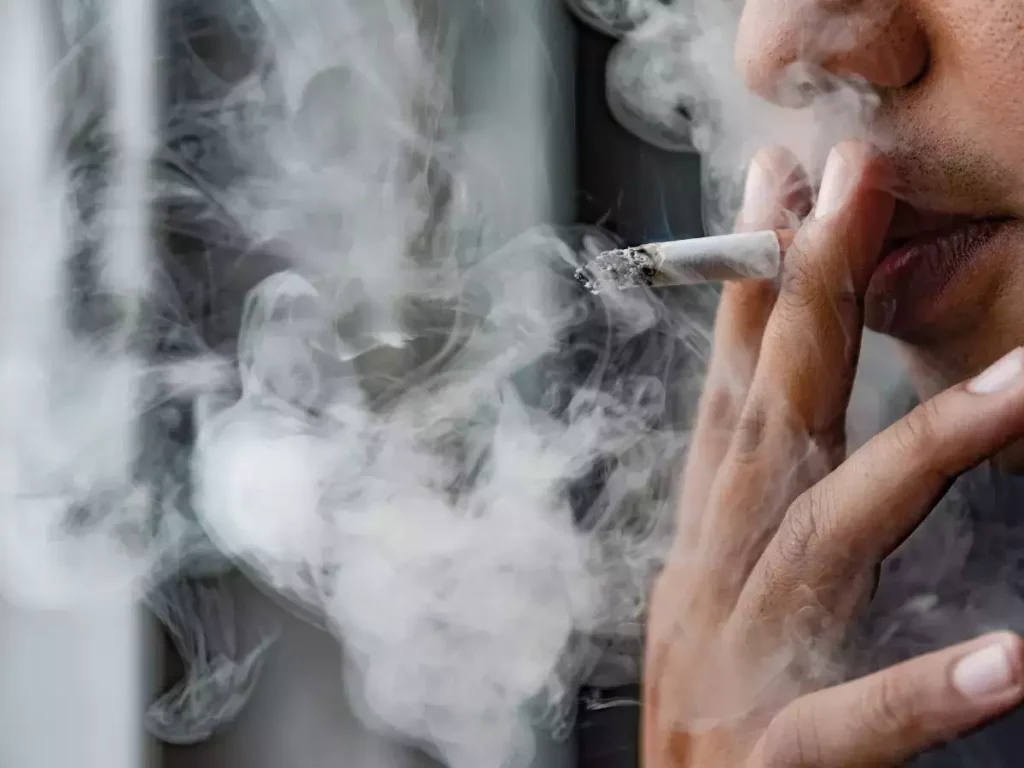
Tobacco smoke is one of the main sources of indoor air pollution. It is estimated that Italian families spend almost the entire day (around 90%) indoors in homes and offices. If these environments are contaminated with various sources of pollution, the consequences for human health would be multiple.
One of the primary sources of indoor air pollution is tobacco smoke. Tobacco smoke can be divided into active and passive smoke, where non-smokers are also exposed to the harmful chemicals.
The Risks of Indoor Air Pollution from Tobacco Smoke
There is a “dose-response” effect in terms of risks associated with indoor air pollution from tobacco smoke, meaning that greater exposure increases the risk of contracting diseases. In addition, tobacco smoke can create high concentrations of fine particles in homes, up to 100 times higher than outdoor limits.
When it comes to indoor air pollution from tobacco smoke, there are several categories of harmful chemicals that can cause cancer and other health problems. These include polycyclic aromatic hydrocarbons (PAHs), which are compounds with multiple aromatic rings.
The International Agency for Research on Cancer (IARC) has classified PAHs as group 1 carcinogens for humans. The most vulnerable groups are children, adolescents, the elderly, and pregnant women.
Removing Tobacco Smoke from Homes
If you want to eliminate every trace of tobacco smoke from your home, simply do not smoke! If there is a smoker in the household, it is recommended that they consult their primary care physician and read our guide on “How to Quit Smoking.” If this option is not feasible, indoor air pollution from tobacco smoke can be eliminated using two different strategies:
Air Recycling
Air recycling reduces the amount of any pollutant present in the home, including fine particles and other substances released by tobacco smoke. If you are concerned about the quality of indoor air, consider installing a ventilation system with heat recovery and filtration. This involves setting up ducts that direct polluted air outside while allowing fresh, filtered air to enter.
Air Purifiers
To protect your home from sources of indoor air pollution, including tobacco smoke, we recommend reading our article on “Household Air Purification Remedies.” There are many affordable air purification systems available on the market.
Conclusion
In conclusion, indoor air pollution from tobacco smoke is a significant health concern that affects not only smokers but also non-smokers who live with them. Understanding the risks associated with tobacco smoke and taking steps to eliminate it can help improve indoor air quality and promote overall well-being.
Frequently Asked Questions
- How often should I test for indoor air pollution?
- What are some common sources of indoor air pollution?
- Can I use a humidifier to remove pollutants from the air?
- Are there any effective natural ways to purify the air in my home?
- Can air purification systems be used in conjunction with ventilation systems?
- How often should I replace filters in an air purification system?
- What are some common indoor pollutants that can exacerbate allergies and respiratory issues?
- Can I use a vacuum cleaner to remove airborne pollutants?
Note: The answers provided are based on general information and may not be applicable to specific situations. Consult with a healthcare professional or indoor air quality expert for personalized advice.
Indoor Air Quality Standards
The U.S. Environmental Protection Agency (EPA) sets standards for indoor air quality, which includes guidelines for various pollutants. These standards help ensure that homes and workplaces are safe from pollutants and can be used as a guide for setting up ventilation systems and air purification systems.
Air Purification Methods
There are several methods of air purification available on the market, including:
- Activated carbon filters
- HEPA filters (High Efficiency Particulate Air)
- Ionizers
- Ultraviolet light purifiers
- Electrostatic precipitators
Each method has its own strengths and weaknesses, and some may be more effective than others in certain situations.
Reducing Exposure to Tobacco Smoke
If you are a smoker who wants to reduce your exposure to tobacco smoke, there are several strategies that can help. These include:
- Using nicotine replacement therapy
- Avoiding smoking in enclosed spaces
- Quitting smoking cold turkey
- Seeking support from friends, family members, or healthcare professionals
Reducing exposure to tobacco smoke is not only beneficial for your health but also for the people around you.
Environmental Impact
Tobacco smoke is not only a significant health concern but also has an impact on the environment. The chemicals released by tobacco smoke can contribute to air pollution and climate change.
There are several ways that individuals can reduce their environmental impact, including:
- Reducing energy consumption
- Using public transportation or carpooling
- Recycling and composting
Every small action counts, and making these changes can have a significant impact over time.
Conclusion
In conclusion, indoor air pollution from tobacco smoke is a significant health concern that affects not only smokers but also non-smokers who live with them. Understanding the risks associated with tobacco smoke and taking steps to eliminate it can help improve indoor air quality and promote overall well-being. Additionally, reducing exposure to tobacco smoke can have a positive impact on the environment.
Frequently Asked Questions
- How often should I test for indoor air pollution?
- What are some common sources of indoor air pollution?
- Can I use a humidifier to remove pollutants from the air?
- Are there any effective natural ways to purify the air in my home?
- Can air purification systems be used in conjunction with ventilation systems?
- How often should I replace filters in an air purification system?
- What are some common indoor pollutants that can exacerbate allergies and respiratory issues?
- Can I use a vacuum cleaner to remove airborne pollutants?
Note: The answers provided are based on general information and may not be applicable to specific situations. Consult with a healthcare professional or indoor air quality expert for personalized advice.
Indoor Air Quality Standards
The U.S. Environmental Protection Agency (EPA) sets standards for indoor air quality, which includes guidelines for various pollutants. These standards help ensure that homes and workplaces are safe from pollutants and can be used as a guide for setting up ventilation systems and air purification systems.
Air Purification Methods
There are several methods of air purification available on the market, including:
- Activated carbon filters
- HEPA filters (High Efficiency Particulate Air)
- Ionizers
- Ultraviolet light purifiers
- Electrostatic precipitators
Each method has its own strengths and weaknesses, and some may be more effective than others in certain situations.
Reducing Exposure to Tobacco Smoke
If you are a smoker who wants to reduce your exposure to tobacco smoke, there are several strategies that can help. These include:
- Using nicotine replacement therapy
- Avoiding smoking in enclosed spaces
- Quitting smoking cold turkey
- Seeking support from friends, family members, or healthcare professionals
Reducing exposure to tobacco smoke is not only beneficial for your health but also for the people around you.
Environmental Impact
Tobacco smoke is not only a significant health concern but also has an impact on the environment. The chemicals released by tobacco smoke can contribute to air pollution and climate change.
There are several ways that individuals can reduce their environmental impact, including:
- Reducing energy consumption
- Using public transportation or carpooling
- Recycling and composting
Every small action counts, and making these changes can have a significant impact over time.


