
Introduction
The concept of social farming, also known as agricoltura sociale, has been gaining traction in recent years. This approach to agriculture combines the principles of sustainable farming with social welfare, providing opportunities for marginalized communities to participate in agricultural activities. In this article, we will explore the world of social farming, its benefits, and how it is regulated by law.
What is Social Farming?
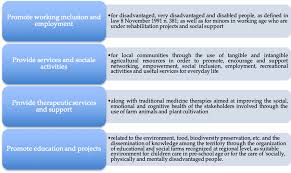
Social farming is a type of agriculture that aims to promote social inclusion and community development while producing high-quality food products. It involves training and employing individuals who are marginalized or disadvantaged in society, such as people with disabilities, youth, and low-income families. The goal of social farming is to create a more equitable and sustainable food system that benefits not only the farmers but also the communities they serve.
The Importance of Social Farming
Social farming is essential for several reasons. Firstly, it provides opportunities for marginalized groups to participate in the economy and improve their socio-economic status. Secondly, it promotes social inclusion by fostering relationships between farmers, consumers, and local communities. Lastly, it contributes to sustainable agriculture by adopting environmentally friendly practices and reducing the use of chemical fertilizers and pesticides.
The Role of Law
In 2015, Italy passed a law that regulates social farming activities at the national level. The law defines social farming as an opportunity for individuals with special needs or disabilities to participate in agricultural activities, receive training and support, and produce high-quality food products. The law also provides financial incentives for farmers who engage in social farming practices.
Benefits of Social Farming
The benefits of social farming are numerous. Firstly, it provides employment opportunities for marginalized groups. Secondly, it promotes social inclusion by fostering relationships between farmers, consumers, and local communities. Thirdly, it contributes to sustainable agriculture by adopting environmentally friendly practices. Lastly, it produces high-quality food products that can be sold in local markets or distributed to schools and hospitals.
Who Can Participate in Social Farming?
Social farming is open to anyone who wants to participate in agricultural activities, regardless of their background or abilities. However, the law specifies that social farming activities must be led by farmers or cooperatives with a minimum annual production value of 30% of their total agricultural output.
Examples of Social Farming Initiatives in Italy
There are several examples of successful social farming initiatives in Italy. For instance, in Lombardy, there are community gardens and orchards that employ individuals with disabilities and provide them with training and support. These initiatives not only produce high-quality food products but also foster social inclusion and community development.
How Social Farming Works
Social farming involves several steps:
- Training: Farmers or agricultural workers receive training on sustainable farming practices, such as organic farming, permaculture, and agroforestry.
- Employment: Individuals with disabilities or from marginalized groups are employed by farmers or cooperatives to work in the fields.
- Production: High-quality food products are produced using sustainable farming practices.
- Marketing: The food products are sold in local markets or distributed to schools and hospitals.
Challenges Facing Social Farming
Despite its benefits, social farming faces several challenges:
- Financial constraints: Social farming initiatives often face financial constraints due to limited funding and resources.
- Lack of infrastructure: Many areas lack the necessary infrastructure for social farming, such as greenhouses, storage facilities, and transportation networks.
- Regulatory frameworks: Social farming activities may not be recognized or regulated by existing laws and policies.
Solutions to Overcome Challenges
To overcome the challenges facing social farming, several solutions can be implemented:
- Collaboration: Collaboration between farmers, cooperatives, and local authorities is essential for developing and implementing social farming initiatives.
- Financial support: Financial support from government agencies, NGOs, and private donors is necessary to provide funding for social farming initiatives.
- Policy development: Policy development and advocacy are crucial for recognizing and regulating social farming activities.
Case Studies
Several case studies demonstrate the success of social farming initiatives:
- The Italian Social Farming Project: The Italian government launched a national program in 2015 to promote social farming practices. The project aimed to support farmers with disabilities and provide training and employment opportunities.
- The Lombardy Community Garden: A community garden in Lombardy, Italy, employs individuals with disabilities and provides them with training and support. The garden produces high-quality fruits and vegetables using sustainable farming practices.
Conclusion
Social farming is a new era for sustainable agriculture that combines the principles of social welfare with environmentally friendly practices. By providing opportunities for marginalized groups to participate in agricultural activities, social farming promotes social inclusion, sustainable agriculture, and high-quality food production. As we move forward, it is essential to continue supporting and promoting social farming initiatives in Italy and around the world.
FAQs
- What is social farming?
Social farming is a type of agriculture that combines principles of sustainable farming with social welfare, providing opportunities for marginalized communities to participate in agricultural activities. - Who can participate in social farming?
Anyone can participate in social farming, regardless of their background or abilities. However, the law specifies that social farming activities must be led by farmers or cooperatives with a minimum annual production value of 30% of their total agricultural output. - What are the benefits of social farming?
The benefits of social farming include providing employment opportunities for marginalized groups, promoting social inclusion, contributing to sustainable agriculture, and producing high-quality food products. - How does social farming promote sustainability?
Social farming promotes sustainability by adopting environmentally friendly practices, reducing the use of chemical fertilizers and pesticides, and conserving natural resources. - What is the role of law in regulating social farming activities?
The law regulates social farming activities at the national level, defining social farming as an opportunity for individuals with special needs or disabilities to participate in agricultural activities and receive training and support. - Can social farming initiatives be replicated in other countries?
Yes, social farming initiatives can be replicated in other countries by adopting similar approaches and policies that promote social inclusion, sustainable agriculture, and high-quality food production. - How can individuals get involved in social farming initiatives?
Individuals can get involved in social farming initiatives by volunteering, participating in workshops or training programs, or joining local cooperatives or community gardens. - What are the future prospects for social farming?
The future prospects for social farming are promising, with increasing recognition of its benefits and growing demand for sustainable agriculture and high-quality food products.


