
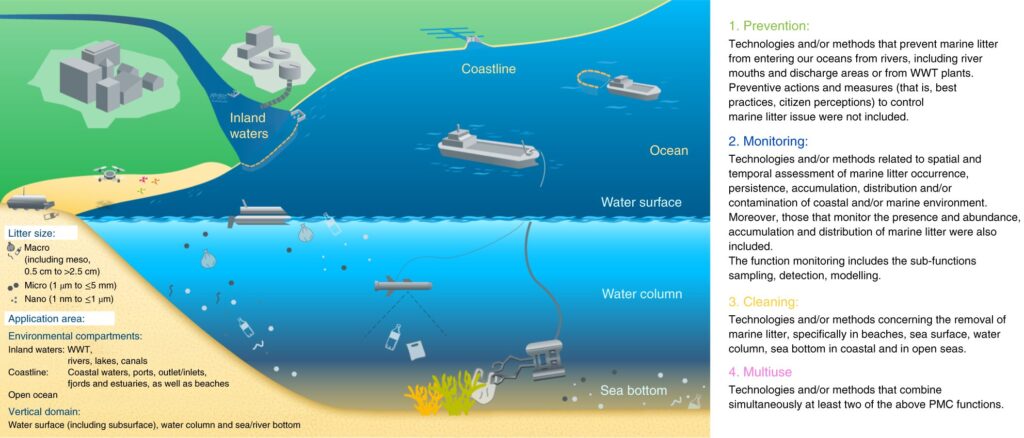
Marine litter, also known as marine debris, refers to the amount of waste that is dispersed in oceans and along coastlines. While it may seem like a problem that only affects certain areas, marine litter has become a global issue with significant economic and environmental impacts.
The Scope of Marine Litter
Marine litter encompasses various types of waste, including plastic and microplastics. These pollutants have been shown to harm marine life and contaminate the food chain. The statistics are staggering: every year, over 8 billion euros’ worth of damage is caused by marine litter. In Italy, for example, the majority of marine debris consists of plastic waste, with bags, straws, and other items being the most common culprits.
The Role of Legambiente
Legambiente, a prominent environmental organization in Italy, has been at the forefront of raising awareness about marine litter. The group has conducted extensive research on the types of plastic waste found in Italian waters, including bags, straws, and other disposable items. Their findings suggest that 96% of the plastic waste collected is made up of bags, followed by straws and other single-use products.
Understanding Marine Litter
So what exactly is marine litter? Simply put, it refers to any type of waste that ends up in oceans and along coastlines. This can include plastic, microplastics, and other pollutants. The term “marine” does not imply that the debris originates from the sea; rather, it highlights the fact that these pollutants are harming marine ecosystems.
Marine Litter: A Global Problem
Marine litter is a global issue that requires international cooperation to solve. The use of a specific term, such as “marine litter,” helps communicate with other countries and industries affected by this problem. By working together, we can find effective solutions to reduce marine pollution.
Marine Litter in Italy
In Italy, the primary cause of marine litter is plastic waste. The country’s poor recycling habits have contributed significantly to this issue. While there are areas where efforts to improve waste management and reduce marine debris have been successful, overall, Italy remains one of the countries with the most significant problems.
Preventing Marine Litter
Rather than focusing solely on cleaning up existing pollution, it is essential to take preventative measures to reduce marine litter in the first place. This includes promoting recycling, implementing effective waste management systems, and conducting public awareness campaigns. By working together, we can create a culture of sustainability that reduces our reliance on single-use plastics.
The Rise of Marine Litter-Reducing Startups
In recent years, several startups have emerged with innovative solutions to reduce marine litter. One such example is Gr3n, a company that has developed technology to recycle certain types of plastic waste. Their goal is to intercept 53 million tons of plastic waste annually, which would otherwise end up in landfills or incinerators.
The Impact of Marine Litter on Marine Life
Marine litter has a significant impact on marine life, from the tiny plankton to the largest marine mammals. For example, entanglement in plastic debris can cause injury or death, while ingestion of microplastics can lead to blockages or nutrient deficiencies. In addition, the accumulation of pollutants like polychlorinated biphenyls (PCBs) and dioxins in marine animals can have long-term health consequences.
The Economic Impact of Marine Litter
Marine litter also has significant economic impacts. For example, the cost of cleaning up oil spills can run into millions or even billions of dollars. In addition, the loss of fisheries and other industries due to marine pollution can lead to significant economic losses for communities that depend on these activities.
The Social Impact of Marine Litter
Marine litter also has a significant social impact, particularly in coastal communities where the effects of pollution are most visible. For example, beachgoers may be discouraged from visiting beaches that are littered with trash, while local businesses may suffer as a result of reduced tourism. Furthermore, the impact of marine litter on human health is still not fully understood, but it is clear that exposure to pollutants in marine ecosystems can have serious consequences for human well-being.
Marine Litter and Climate Change
Marine litter is also linked to climate change, as it contributes to greenhouse gas emissions and ocean acidification. For example, the decomposition of organic waste in oceans produces methane, a potent greenhouse gas. In addition, the release of carbon dioxide from the burning of fossil fuels to produce plastic can lead to increased atmospheric CO2 levels.
Reducing Marine Litter: Individual Actions
While individual actions alone may not be enough to solve the problem of marine litter, every effort counts. Some simple steps that individuals can take to reduce their impact on marine pollution include:
- Using reusable bags and containers
- Refusing single-use plastics like straws and water bottles
- Participating in beach cleanups and other community activities
- Supporting organizations working to reduce marine pollution
Reducing Marine Litter: Community Actions
In addition to individual actions, communities can also take steps to reduce marine litter. This includes implementing effective waste management systems, conducting public awareness campaigns, and promoting sustainable practices. Some examples of community-led initiatives to reduce marine litter include:
- Establishing recycling programs for plastic waste
- Organizing beach cleanups and other community activities
- Implementing policies to restrict the use of single-use plastics
Reducing Marine Litter: Government Actions
Governments also have a critical role to play in reducing marine litter. This includes implementing regulations to limit the use of single-use plastics, increasing funding for waste management and recycling initiatives, and conducting research on the impacts of pollution on marine ecosystems.
International Cooperation to Address Marine Litter
Marine litter is a global problem that requires international cooperation to solve. Governments, industries, and organizations around the world must work together to develop effective solutions and share best practices for reducing marine pollution.
Conclusions
In conclusion, marine litter is a pressing global issue with significant economic and environmental impacts. By understanding the scope of the problem, working with organizations like Legambiente, and embracing innovative solutions from startups, we can make a significant impact on reducing marine pollution.


