
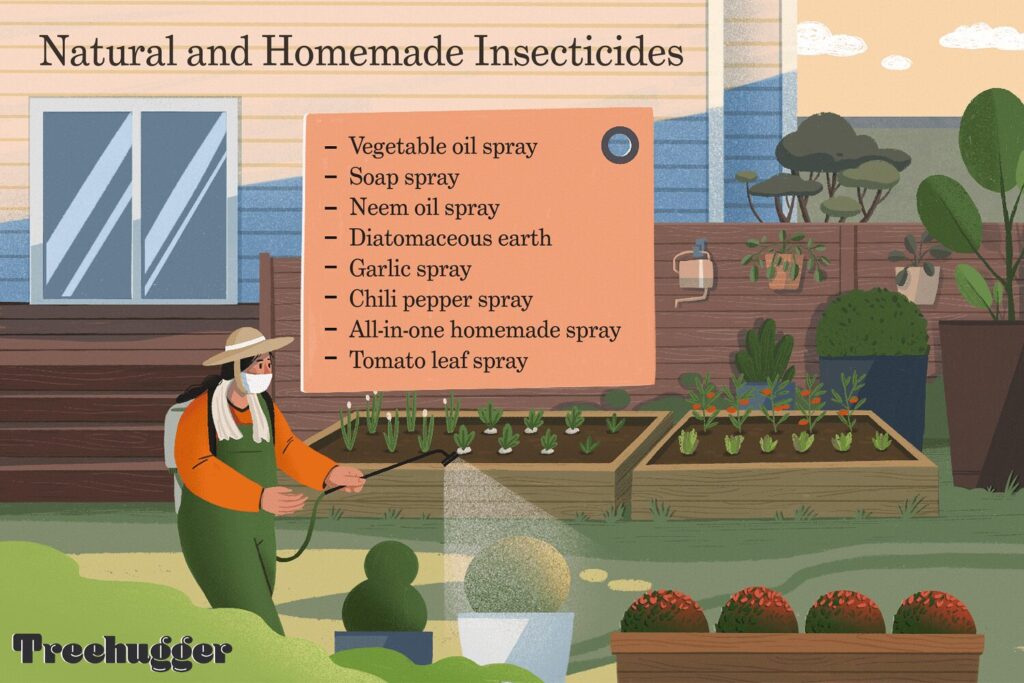
As a gardener, you’re likely no stranger to the challenges of keeping your organic garden pest-free. However, when it comes to choosing insecticides, many of us are left feeling overwhelmed by the options available. In this article, we’ll explore the different types of natural insecticides that can be used in organic gardens, their benefits and drawbacks, and provide you with some practical tips for using them effectively.
The Problem with Chemical Pesticides
While chemical pesticides may seem like a quick fix for pest problems, they can have serious negative impacts on both human health and the environment. Not only can they contaminate soil, water, and air, but they can also damage beneficial insects and disrupt ecosystems. In contrast, natural insecticides offer a more holistic approach to pest control, one that prioritizes the health of your garden and its inhabitants.
The Power of Piretrin
Piretrin is often touted as an effective natural insecticide for organic gardens. However, research has shown that it’s not always as effective as claimed. In fact, many gardeners have reported disappointing results from using piretrin, citing issues with resistance and efficacy.
So how can you use piretrin effectively? The key is to understand its limitations and follow proper application procedures. Piretrin is a photolabile molecule, meaning it breaks down in the presence of light. To maximize its effectiveness, apply piretrin at dusk or dawn when possible.
Natural Insecticides for Organic Gardens
While chemical pesticides may have their drawbacks, there are many natural insecticides that can be used safely and effectively in organic gardens. Here are some popular options:
- Piretrin: As mentioned earlier, piretrin is a photolabile molecule that breaks down quickly in the presence of light. Use it at dusk or dawn for best results.
- Macerated Orach: This natural insecticide is made by infusing orach leaves in water. Apply it to your plants as needed to control pests like aphids and whiteflies.
- Neem Oil: Neem oil is extracted from the seeds of the neem tree and has been used for centuries as a natural insecticide. It’s effective against a wide range of pests, including aphids, mealybugs, and spider mites.
- Quassia: Quassia is a natural insecticide made from the bark of the quassia tree. Use it to control pests like aphids, whiteflies, and spider mites.
- Pyrethrin: Pyrethrin is a natural insecticide extracted from chrysanthemum flowers. It’s effective against a wide range of pests, including insects that feed on plants.
Fungicides for Organic Gardens
In addition to controlling pests, fungicides can help prevent fungal diseases that can devastate your garden. Here are some popular options:
- Equisetum: Equisetum is a natural fungicide made from the roots of the equisetum plant. Apply it to your plants as needed to control fungal diseases like powdery mildew and downy mildew.
- Rame (Poltiglia Bordolese): Rame is a natural fungicide made from the leaves of the rame plant. Use it to control fungal diseases like powdery mildew and downy mildew.
Traps and Lateral Control
In addition to using insecticides, there are many other ways to manage pests in your organic garden. Here are some popular options:
- Traps: Traps can be an effective way to catch pests before they infest your plants. Use sticky traps or bait traps to control pests like aphids, whiteflies, and spider mites.
- Bacillus thuringiensis (Bt): Bt is a natural bacterium that produces a toxin that kills certain insects. Apply it to your plants as needed to control pests like caterpillars and beetles.
Companion Planting
Another effective way to manage pests in your organic garden is through companion planting. This involves growing specific plants alongside each other to repel or attract beneficial insects. Here are some popular options:
- Marigolds: Marigolds repel nematodes and other pests that can harm vegetables.
- Basil: Basil repels pests like aphids, mites, and flies.
- Radish: Radish repels cucumber beetles and other pests that can harm cucumbers.
Crop Rotation
Crop rotation is another effective way to manage pests in your organic garden. This involves rotating different crops to break the life cycle of pests and reduce the risk of infestation. Here are some popular options:
- Rotate vegetables: Rotate vegetables like tomatoes, peppers, and eggplants with members of the Brassica family (broccoli, cauliflower, kale).
- Avoid planting in the same spot: Avoid planting in the same spot where you grew the previous crop to reduce the risk of infestation.
Conclusion
Managing pests in an organic garden requires a holistic approach that prioritizes the health of your garden and its inhabitants. By using natural insecticides, traps, lateral control methods, companion planting, and crop rotation, you can create a balanced ecosystem that’s less susceptible to pests. Whether you’re a seasoned gardener or just starting out, there are many options available for managing pests in an organic garden.
Frequently Asked Questions
Q: What is the best way to use piretrin?
A: To maximize its effectiveness, apply piretrin at dusk or dawn when possible. Also, make sure to follow proper application procedures and avoid applying it in direct sunlight.
Q: Can I use neem oil on all types of plants?
A: While neem oil is generally safe for most plants, it’s not suitable for all. Avoid using it on plants that are prone to leaf spot or other diseases.
Q: How do I make macerated orach?
A: To make macerated orach, simply infuse orach leaves in water and let it steep for several hours before straining and applying it to your plants.
Q: Can I use quassia on my fruit trees?
A: While quassia is generally safe for most plants, avoid using it on fruit trees. It can cause leaf spot and other diseases.
Q: How do I make rame (poltiglia bordolese)?
A: To make rame, simply blend the leaves of the rame plant with water and apply it to your plants as needed.
Q: Can I use Bt on all types of insects?
A: While Bt is generally effective against a wide range of pests, avoid using it on beneficial insects. Always follow proper application procedures and take necessary precautions to minimize harm to non-target organisms.
By following these tips and using natural insecticides effectively, you can create a balanced ecosystem that’s less susceptible to pests in your organic garden. Happy gardening!


