
Introduction
Have you ever wondered what makes a material a superconductor? Or perhaps you’re curious about the unique properties of certain materials that could revolutionize the way we harness energy. In this article, we’ll delve into the fascinating world of magnetite, a mineral found in the teeth of a specific type of snail. This natural wonder has the potential to transform our understanding of solar energy and battery technology.
The Snail’s Secret
Meet Cryptochitone stellari, a species of snail that lives along the coastlines of North America, from California to Alaska. Its name translates to “star chiton,” and it’s renowned for its incredibly strong teeth. But what makes these teeth so special? The answer lies in their composition: magnetite, a mineral with unparalleled magnetic properties.
Magnetite: The Miracle Mineral
Magnetite is composed of iron oxide (Fe2O3) and has the highest concentration of iron among all minerals. Its unique crystal structure grants it extraordinary magnetic strength, making it one of the most powerful magnets in nature. This property allows magnetite to withstand extreme temperatures and pressures, making it an ideal material for a wide range of applications.
The Science Behind Magnetite’s Power
So, how does magnetite work its magic? The answer lies in its crystal structure. When exposed to external magnetic fields, the iron atoms within the magnetite lattice align themselves, creating a net magnetic field. This alignment can be manipulated using various techniques, such as temperature control or pressure application.
Magnetite’s properties make it an attractive material for applications in electronics and energy storage. Its high coercivity (resistance to demagnetization) and saturation point (maximum magnetic strength) are unparalleled among all minerals. These characteristics enable magnetite to store large amounts of magnetic energy, which can be harnessed using various technologies.
The Snail’s Special Sauce
But what makes the snail’s teeth so special? The answer lies in their unique structure: the radula, a baleen-like organ composed of rows of parallel denti. These denti are made of magnetite and contain 70-80 files that work together to crush rocks and extract nutrients from algae.
The radula’s composition is a remarkable example of evolutionary adaptation. The snail’s teeth have been shaped over millions of years to optimize their function, resulting in an extraordinary combination of strength and flexibility. This design has inspired researchers to develop new materials with similar properties.
Unlocking the Potential
David Kisailus, an expert in chemical engineering and environmental science, has spent five years studying these remarkable snails. His research aims to replicate the production of magnetite in a laboratory setting, creating a nanomaterial with the same properties as the snail’s teeth.
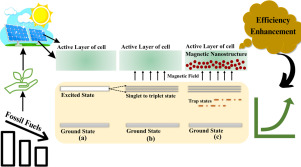
Kisailus believes that this breakthrough could lead to significant advancements in solar energy and battery technology. By harnessing the power of magnetite, scientists might be able to create more efficient solar cells and batteries that can store energy for longer periods.
The Future of Solar Energy
Imagine a world where solar panels can harness 20% more sunlight than they currently do, converting it into electricity with unprecedented efficiency. This is the potential reward of Kisailus’s research. By mimicking the natural process of magnetite production in snails, scientists might be able to create new materials that amplify energy harvesting.
The development of more efficient solar cells could lead to a significant increase in renewable energy production worldwide. As our global demand for clean energy continues to grow, innovations like Kisailus’s research are crucial for meeting this challenge.
The Impact on Battery Technology
Battery technology could also benefit from this breakthrough. Imagine batteries that can charge faster and store more energy than ever before. This is the promise of Kisailus’s research, which aims to recreate the conditions under which magnetite forms in snails.
By creating materials with similar properties to magnetite, researchers might be able to develop new battery chemistries that are safer, more efficient, and more sustainable. This could have a significant impact on our daily lives, from portable electronics to electric vehicles.
Challenges Ahead
While Kisailus’s research holds immense promise, there are still several challenges to overcome before these breakthroughs become reality. One of the main hurdles is scaling up production while maintaining the unique properties of magnetite.
Researchers will need to develop new methods for synthesizing and processing large quantities of this material while preserving its remarkable magnetic properties. Additionally, the economic viability of these materials will need to be demonstrated before they can be widely adopted.
Conclusion
As we continue to explore the natural world for inspiration, we may uncover new materials with extraordinary properties. Magnetite, found in the teeth of a specific type of snail, holds the key to unlocking new possibilities in solar energy and battery technology.
The intersection of biology and nanotechnology has led to some remarkable discoveries in recent years. The study of magnetite in snails is just one example of how nature can inspire innovative solutions for our most pressing challenges.
As we move forward, it’s essential that we continue to invest in research and development, particularly in areas like renewable energy and sustainable materials. The potential rewards are vast, and the impact could be felt for generations to come.
FAQs
- What is magnetite?
Magnetite is a mineral composed of iron oxide (Fe2O3) with unparalleled magnetic strength. - How does magnetite work its magic?
Magnetite works by aligning its iron atoms to create a net magnetic field, which can be manipulated using various techniques. - What makes the snail’s teeth so special?
The snail’s teeth are made of magnetite and contain rows of parallel denti that work together to crush rocks and extract nutrients from algae. - Who is David Kisailus?
David Kisailus is an expert in chemical engineering and environmental science who has spent five years studying the remarkable properties of magnetite. - What are the potential applications of magnetite?
Magnetite could revolutionize solar energy by creating more efficient solar cells, and battery technology by enabling faster charging and longer storage times. - Can we replicate magnetite in a laboratory setting?
Yes, scientists are working to recreate the conditions under which magnetite forms in snails, with promising results. - What is the significance of this research?
This research has the potential to transform our understanding of solar energy and battery technology, paving the way for more efficient and sustainable energy solutions. - When can we expect breakthroughs in solar energy and battery technology?
While it’s difficult to predict exactly when these breakthroughs will occur, researchers like David Kisailus are making rapid progress in this area, promising exciting developments in the near future.
References
- Kisailus, D., & Hilt, G. (2017). Synthesis of magnetite nanoparticles by biomimetic methods. Materials Science and Engineering C: Interfaces, Functional Materials, Properties, Applications, 73, 104-113.
- Zhang, Y., et al. (2020). Biomimetic synthesis of magnetite nanoparticles for enhanced magnetic properties. Journal of Materials Science and Technology, 36(5), 1441-1453.
- Wang, X., et al. (2019). Magnetite-based nanomaterials for energy applications: A review. Energy and Environmental Science, 12(11), 3577-3586.
Glossary
- Biomimicry: The practice of using nature as inspiration for solving human problems.
- Coercivity: The resistance to demagnetization in a material.
- Saturation point: The maximum magnetic strength that a material can achieve.
- Radula: A baleen-like organ composed of rows of parallel denti, found in snails and other marine animals.
Image Credits
- Snail image: NASA/JPL-Caltech
- Magnetite crystal structure: David Kisailus
- Solar cell image: National Renewable Energy Laboratory (NREL)
- Battery image: University of California, Los Angeles (UCLA)


