
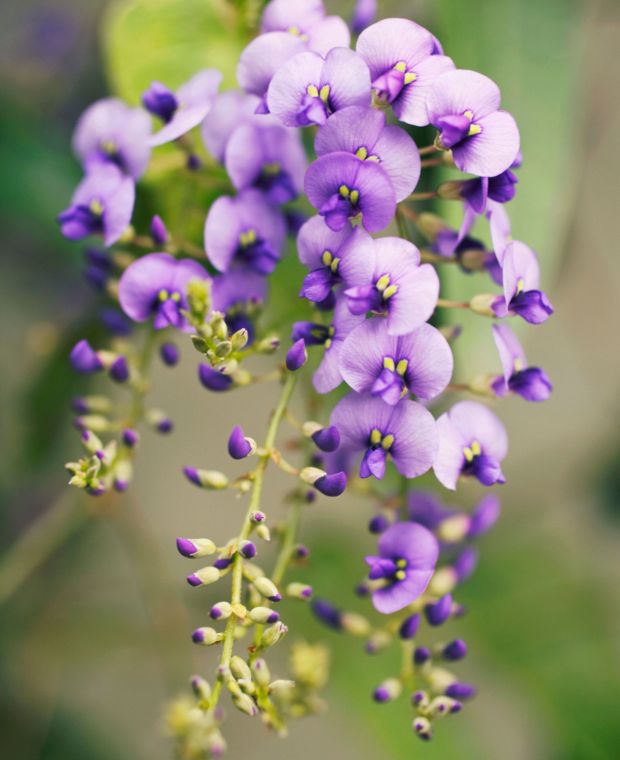
The Hardenbergia: A Versatile and Adaptable Plant for Gardeners
As a gardener, it’s essential to know about the various plants that can thrive in different environments. The hardenbergia is one such plant that has gained popularity in recent years due to its unique characteristics and ease of growth.
In this article, we will delve into the world of hardenbergia, exploring its features, cultivation methods, potential pests and diseases, and interesting facts about this versatile plant.
What is Hardenbergia?
Hardenbergia belongs to the Fabaceae/Leguminose family, primarily native to Australia. This evergreen climbing plant is non-invasive and can be used for decorative purposes in gardens and walls. Its robust foliage and vibrant purple flowers make it an excellent choice for adding a pop of color to your outdoor space.
Characteristics of Hardenbergia
The hardenbergia boasts a few distinct characteristics that set it apart from other plants:
- The plant has a sturdy stem that can grow up to three meters tall, requiring support to prevent it from toppling over.
- Its leaves are long and slender, measuring between eight to ten centimeters in length. They come in various shapes and sizes, with some being oval or heart-shaped.
- The foliage is dark green and has prominent veins that add to its aesthetic appeal.
- Hardenbergia produces small flowers that cluster together in a panicle-like arrangement. These flowers can change color depending on the species, but most are purple.
- The plant produces small, bean-like fruits that contain seeds.
Cultivating Hardenbergia
To successfully grow hardenbergia, follow these guidelines:
- Lighting: Provide full sun exposure for your plant, but ensure it’s protected from harsh winds and extreme temperatures. Hardenbergia prefers a moderate climate with mild winters.
- Soil: Use a well-draining potting mix that contains organic matter and essential minerals. Avoid using regular garden soil, as it can compact and prevent proper drainage.
- Watering: Water your hardenbergia thoroughly when the top layer of soil feels dry to the touch. Make sure to provide adequate drainage by gently loosening the soil with a fork. A drip irrigation system or soaker hose is recommended for efficient watering.
- Pruning: Prune your hardenbergia immediately after it finishes blooming to encourage new growth and prevent overgrowth. Regular pruning will also help maintain the plant’s shape and promote healthy development.
Pests and Diseases
Hardenbergia is generally pest-free, but occasional infestations can occur. To address these issues:
- Pesticides: If you notice any pests, use organic pesticides or neem oil to eliminate them without harming your plant.
- Diseases: Hardenbergia is resistant to most diseases, but keep an eye out for signs of fungal infections. Use fungicides or remove affected areas to prevent the spread of disease.
Interesting Facts about Hardenbergia
This versatile plant has several interesting facts associated with it:
- In the United States, hardenbergia is often used as a decorative element in roadsides and public spaces due to its striking appearance.
- The name “hardenbergia” comes from a botanical dedication made by Carl Hugel’s sister, Countess Franziska von Hardenberg.
Propagation
Hardenbergia can be propagated using stem cuttings or seeds. Here are the steps for each method:
- Stem Cuttings: Take 15-20 cm long stem cuttings from the current season’s growth. Remove lower leaves, and plant them in a well-draining potting mix. Keep the soil consistently moist until roots develop.
- Seeds: Hardenbergia seeds are available at most gardening stores. Plant them in a seed tray filled with seed starting mix. Keep the soil warm (around 22°C/72°F) and moist until germination occurs.
Varieties of Hardenbergia
There are several varieties of hardenbergia, each with its unique characteristics:
- Hardenbergia aspera: This variety has a more delicate appearance, with longer leaves and smaller flowers.
- Hardenbergia macrophylla: This variety is known for its large, heart-shaped leaves and vibrant purple flowers.
Conclusion
Hardenbergia is an excellent choice for gardeners looking to add some unique flair to their outdoor space. By following these guidelines and understanding the plant’s characteristics, you can successfully cultivate hardenbergia in your home or public space.
Frequently Asked Questions
- How do I care for my Hardenbergia?
- Provide full sun exposure, well-draining soil, and regular watering.
- What pests are attracted to Hardenbergia?
- Rarely, but occasional infestations can occur due to insects like aphids or spider mites.
- Can I grow Hardenbergia indoors?
- Yes, but ensure it receives sufficient light and is kept at a moderate temperature (above 64°F/18°C).
- How often should I prune my Hardenbergia?
- Prune immediately after blooming to encourage new growth.
- Can Hardenbergia be used as a ground cover?
- Yes, its dense foliage can help prevent weeds and retain moisture in the soil.
By understanding the unique characteristics of hardenbergia and following proper cultivation methods, you can enjoy this versatile plant for years to come.


