
As an animal owner or farmer, ensuring the safety and security of your livestock is paramount. One effective way to achieve this is by using electric fencing, a simple yet powerful tool that can help keep unwanted animals out and your property secure. In this article, we’ll delve into the world of electric fencing, exploring its benefits, functionality, and applications.
What is Electric Fencing?
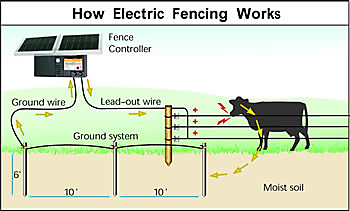
Electric fencing is an electrical system designed to deter animals from entering an area by delivering a mild shock when they come into contact with the fence. The goal is not to harm but to encourage the animal to stay away from the perimeter of your property. This is achieved through a process called “return current,” where electricity flows back to the source after passing through the animal, creating a sensation similar to a gentle buzzing or tickling.
History of Electric Fencing
Electric fencing has its roots in the early 20th century when farmers began experimenting with simple electrical systems to keep predators away from their livestock. Over time, electric fencing evolved into a sophisticated technology that is now widely used by farmers and animal owners around the world.
Types of Electric Fencing Systems
There are several types of electric fencing systems available, including:
- Low-Voltage Systems: These systems typically operate at voltages between 2,000 to 5,000 volts and are suitable for small-scale applications such as protecting individual pastures or pens.
- High-Voltage Systems: These systems can reach voltages of up to 20,000 volts and are often used for larger applications such as fencing entire properties or farms.
- Solar-Powered Systems: These systems use solar panels to generate electricity, making them a renewable and sustainable option for electric fencing.
How Does Electric Fencing Work?
Electric fencing relies on four key components:
- Energizer: The device that generates the electrical energy.
- Fence wires: Thin conductive cables that carry the electricity.
- Insulators: Materials used to prevent the energy from escaping into the ground and causing harm.
- Grounding system: A system that safely directs the returned current back to the energizer.
When an animal touches a fence wire, it completes the circuit, allowing the electricity to flow through its body. The return current then travels back to the source, creating the sensation of being “shocked.” This can be uncomfortable for the animal but is not typically harmful.
Benefits of Electric Fencing
Electric fencing offers numerous benefits for farmers and animal owners:
- Improved safety: Protects against predators, stray animals, and other potential threats.
- Increased efficiency: Helps to reduce labor costs associated with manually herding or chasing away unwanted animals.
- Cost-effective: Can be more cost-effective than traditional fencing methods.
Challenges of Electric Fencing
While electric fencing is an effective tool for keeping unwanted animals out, it does come with some challenges:
- Weather conditions: Extreme weather conditions such as heavy rain, snow, or high winds can affect the performance of electric fencing.
- Animal behavior: Some animals may become accustomed to electric fencing and lose their natural fear of it over time.
- Regulations: There may be local regulations governing the use of electric fencing, so it’s essential to check with your local authorities before installing a system.
For Which Animals is Electric Fencing Suitable?
Electric fencing can be used to protect various types of animals, including:
- Livestock: Cattle, sheep, goats, pigs, and other domesticated animals.
- Wildlife: Deer, rabbits, squirrels, and other small mammals that may invade your property.
Verifying the Presence of Current on Electric Fencing
To determine if there is electricity flowing through a fence wire, you can use a non-conductive tool like a screwdriver to test for the presence of current. Simply touch the tip of the screwdriver to the wire and listen for a gentle buzzing or ticking sound. This indicates that there is an electrical current present.
Types of Electric Fence Energizers
There are several types of electric fence energizers available, including:
- Battery-Powered Energizers: These systems use rechargeable batteries to power the fencing system.
- Solar-Powered Energizers: These systems use solar panels to generate electricity and power the fencing system.
- AC Powered Energizers: These systems use alternating current (AC) power from a grid connection or generator to power the fencing system.
Types of Electric Fence Insulators
There are several types of electric fence insulators available, including:
- Plastic Insulators: These materials provide excellent electrical insulation and are suitable for most applications.
- Metal Insulators: These materials offer good electrical conductivity and are often used in conjunction with plastic insulators.
- Rubber Insulators: These materials provide good electrical insulation and are often used in high-voltage applications.
Types of Electric Fence Grounding Systems
There are several types of electric fence grounding systems available, including:
- Earth Grounding Systems: These systems use the Earth as a conductor to safely direct the returned current back to the energizer.
- Concrete Grounding Systems: These systems use concrete to provide a secure and durable grounding system.
- Salt Grounding Systems: These systems use salt to provide a good electrical conductivity and help to maintain a stable voltage.
Installing Electric Fencing
Installing electric fencing requires careful planning and execution to ensure that the system is safe, effective, and meets local regulations:
- Determine the scope of the project: Assess your property needs and determine how much fencing you require.
- Choose the right energizer and fence wires: Select equipment that matches your specific requirements and complies with local regulations.
- Plan the grounding system: Determine the best method for grounding the system, taking into account soil conductivity and other factors.
- Install the fence: Follow proper installation procedures to ensure a safe and effective fencing system.
Maintaining Electric Fencing
Regular maintenance is essential to ensure that your electric fencing system remains effective and safe:
- Check the energizer: Regularly inspect the energizer to ensure it’s functioning correctly and safely.
- Inspect the fence wires: Check for damage, wear, or corrosion on the fence wires and replace them as needed.
- Test the grounding system: Regularly test the grounding system to ensure it’s functioning properly.
Common Electric Fencing Mistakes
Avoid making these common mistakes when installing electric fencing:
- Insufficient energizer power: Choose an energizer that provides sufficient power for your fencing needs.
- Inadequate insulation: Use proper insulators to prevent energy loss and ensure safe operation.
- Poor grounding system design: Design a grounding system that meets local regulations and ensures safe operation.
Conclusion
Electric fencing is a valuable tool for animal owners and farmers looking to improve safety, efficiency, and cost-effectiveness. By understanding how it works, its benefits, and applications, you can make an informed decision about whether it’s the right solution for your animal ownership or farming needs. With proper installation, maintenance, and testing, electric fencing can provide long-term protection for your livestock and property.
Frequently Asked Questions
- How does electric fencing work?
Electric fencing uses a mild shock to deter animals from entering an area by delivering electricity through the fence wire. - Is electric fencing safe for humans and other animals?
When properly installed, electric fencing is not typically harmful but can cause discomfort or injury if not handled correctly. - What are the benefits of using electric fencing?
Electric fencing offers improved safety, increased efficiency, and cost-effectiveness compared to traditional fencing methods.
By understanding how electric fencing works, its benefits, and applications, you can make an informed decision about whether it’s the right solution for your animal ownership or farming needs.


