
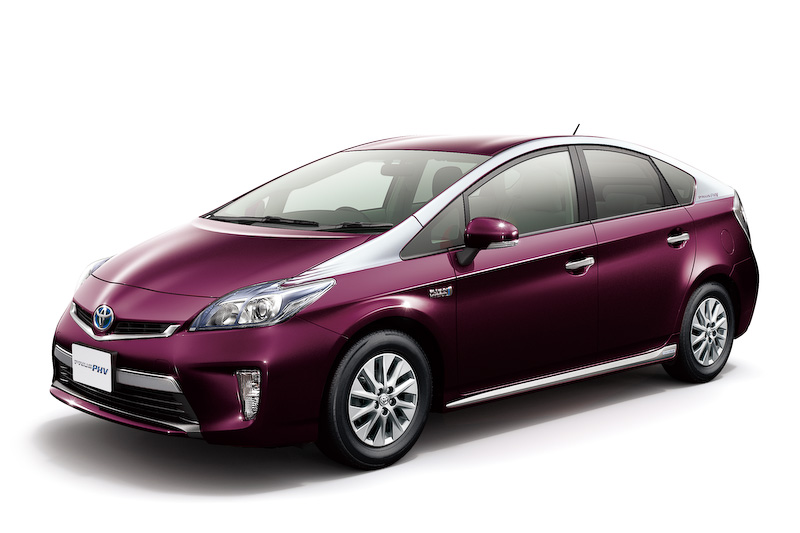
The year 2014 marked a significant turning point in the automotive industry, as electric and hybrid cars began to gain popularity. This article will explore the various models available in the market that year, highlighting their features, benefits, and impact on sustainable mobility.
Overview of Electric and Hybrid Cars in 2014
In 2014, several car manufacturers introduced new models with advanced electric and hybrid technologies. These vehicles offered a combination of environmental benefits and improved fuel efficiency, making them an attractive option for consumers. From compact cars to luxury models, the range of options was diverse, catering to different needs and preferences.
Volvo V60 Diesel Hybrid: A Breakthrough in Hybrid Technology
The Volvo V60 Diesel Hybrid was one of the most notable introductions in 2014. This vehicle combined a traditional diesel engine with an electric motor, offering improved fuel efficiency and reduced emissions. The electric motor provided additional power, while the diesel engine supplied the primary propulsion. With a total output of 283 horsepower, this hybrid model marked a significant milestone in the evolution of sustainable mobility.
The Volvo V60 Diesel Hybrid was designed to provide optimal performance and efficiency. Its innovative technology utilized regenerative braking to capture kinetic energy and convert it into electricity, which was then stored in a lithium-ion battery. This system allowed the vehicle to recover energy that would otherwise be wasted during braking, reducing emissions and improving fuel efficiency.
Suzuki Swift Ibrida: A Compact and Efficient Option
For those seeking a compact car with an affordable price tag, the Suzuki Swift Ibrida was an attractive option. This vehicle featured a rechargeable electric motor, combined with a conventional engine, providing up to 30 kilometers of electric-only range. With its fuel-efficient design and eco-friendly features, this model catered to budget-conscious buyers.
The Suzuki Swift Ibrida was designed to be a practical and environmentally friendly alternative to traditional gas-powered vehicles. Its compact size made it an ideal choice for urban commuters, while its advanced technology provided improved performance and efficiency.
Audi A3 e-tron: A Luxurious Take on Electric Mobility
The Audi A3 e-tron was another notable introduction in 2014, showcasing the brand’s commitment to sustainable mobility. This luxury car featured a combination of electric and conventional propulsion, offering up to 50 kilometers of electric-only range. With its advanced technology and sleek design, this model appealed to environmentally conscious luxury car buyers.
The Audi A3 e-tron was designed to provide a seamless driving experience, with its advanced all-wheel-drive system ensuring optimal traction and control. Its electric motor provided instant torque, making it an exhilarating drive on both urban roads and the open highway.
Chevrolet Volt 2014: A Pioneering Electric Vehicle
The Chevrolet Volt, an already established hybrid vehicle, underwent updates in 2014. The new models featured enhanced fuel efficiency, improved performance, and updated interior designs. With its Voltec propulsion system, this electric vehicle offered zero emissions for the first 61 kilometers of driving.
The Chevrolet Volt was designed to provide a practical and efficient solution for long-distance driving. Its advanced battery technology allowed it to recover energy during regenerative braking, reducing wear on the battery and extending its lifespan.
Ford: Expanding Its Offerings with Electric and Hybrid Models
In 2014, Ford expanded its lineup to include more eco-friendly options. The C-MAX Energi ibrida plug-in, Ford Mondeo Hybrid, and Focus Electric were some of the notable models introduced that year. With their advanced technology and reduced emissions, these vehicles catered to consumers seeking environmentally friendly transportation solutions.
The Ford C-MAX Energi was a plug-in hybrid model designed for urban commuters. Its electric motor provided up to 40 kilometers of electric-only range, reducing emissions and fuel consumption in city driving.
Mazda3: A Hybrid Model with Exceptional Fuel Efficiency
The Mazda3 was set to debut a hybrid model in 2014, offering an impressive 30 kilometers of electric-only range per liter of fuel. This eco-friendly option would appeal to drivers seeking exceptional fuel efficiency without sacrificing performance.
The Mazda3’s hybrid technology utilized regenerative braking and advanced aerodynamics to optimize energy recovery and reduce emissions. Its lightweight design and powerful engine made it a compelling choice for drivers seeking a practical and efficient vehicle.
Volkswagen e-Up!: An Electric City Car
In the first quarter of 2014, Volkswagen introduced the e-Up!, a fully electric city car. With its compact design and reduced emissions, this vehicle catered to urban commuters seeking environmentally friendly transportation solutions.
The Volkswagen e-Up! was designed to provide an affordable and practical solution for short-distance driving. Its advanced battery technology allowed it to travel up to 160 kilometers on a single charge, making it ideal for city dwellers who often take shorter drives.
Luxury Electric and Hybrid Cars: BMW i8 and Cadillac ELR
Two luxury cars stood out in 2014 for their innovative electric and hybrid technology. The BMW i8 was a high-performance sports car with advanced electric propulsion, while the Cadillac ELR plug-in hybrid offered exceptional fuel efficiency and reduced emissions.
The BMW i8 was designed to provide an exhilarating driving experience, with its advanced all-wheel-drive system ensuring optimal traction and control. Its electric motor provided instant torque, making it an exhilarating drive on both urban roads and the open highway.
Conclusion: A New Era in Sustainable Mobility
The year 2014 marked a significant milestone in the automotive industry, as electric and hybrid cars began to gain mainstream acceptance. From compact sedans to luxury models, the range of options was diverse, catering to different needs and preferences. As technology continues to evolve, it will be interesting to see how these vehicles shape the future of sustainable mobility.
Frequently Asked Questions
Q: What were some of the most notable electric and hybrid cars introduced in 2014?
A: Some of the notable models included the Volvo V60 Diesel Hybrid, Suzuki Swift Ibrida, Audi A3 e-tron, Chevrolet Volt 2014, Ford C-MAX Energi ibrida plug-in, Mazda3, Volkswagen e-Up!, BMW i8, and Cadillac ELR.
Q: Which luxury car featured advanced electric propulsion in 2014?
A: The BMW i8 was a high-performance sports car with advanced electric propulsion.
Q: What was the range of the Suzuki Swift Ibrida’s electric-only mode?
A: Up to 30 kilometers.
Q: Which Ford model offered up to 50 kilometers of electric-only range?
A: The C-MAX Energi ibrida plug-in.
Q: How many kilometers could the Chevrolet Volt travel on zero emissions?
A: 61 kilometers.
Q: When did Volkswagen introduce its e-Up! city car?
A: In the first quarter of 2014.
Future Directions in Electric and Hybrid Technology
As technology continues to evolve, we can expect to see significant advancements in electric and hybrid vehicles. Some potential future developments include:
- Improved battery technology: Advancements in battery design and materials could lead to increased range and efficiency.
- Increased adoption: As consumers become more aware of the benefits of electric and hybrid vehicles, sales are expected to increase.
- Expanded model offerings: More manufacturers will introduce eco-friendly options, catering to different needs and preferences.
In conclusion, 2014 marked a significant turning point in the automotive industry, as electric and hybrid cars began to gain popularity. As technology continues to evolve, it will be interesting to see how these vehicles shape the future of sustainable mobility.
Recommendations for Sustainable Mobility
For those seeking an environmentally friendly transportation solution, consider the following recommendations:
- Research and compare different models: Look into various electric and hybrid options to determine which one best suits your needs.
- Assess local incentives: Many governments offer tax credits or rebates for eco-friendly vehicles. Take advantage of these incentives to reduce your carbon footprint.
- Consider used or certified pre-owned vehicles: If you’re on a budget, consider purchasing a used or certified pre-owned electric or hybrid vehicle.
- Drive efficiently: Regular maintenance and efficient driving habits can significantly extend the life of an electric or hybrid vehicle.
By embracing sustainable mobility options, we can reduce our environmental impact and contribute to a cleaner, healthier future for generations to come.


