
Introduction
Are you ready to indulge in the sweet and refreshing taste of juicy watermelons? Growing your own watermelons is easier than you think, and with this guide, you’ll be on your way to harvesting a bountiful crop. Whether you’re an experienced gardener or a beginner, we’ll take you through the process of growing watermelon, covering all the essential steps and tips.
Choosing the Right Environment
Before we dive into the nitty-gritty of growing watermelons, it’s essential to choose the right environment for your plants. Watermelons thrive in warm temperatures, typically above 25°C (77°F). If you can’t provide this ideal temperature, don’t worry! You can still grow them in containers or greenhouses.
Seed Germination and Planting
To get started, plant individual watermelon seeds about 2-3 cm (1 inch) deep in a pot at the beginning of spring. Keep the soil warm, with a minimum temperature of 16°C (61°F). As soon as you see signs of germination, transplant the seedlings into a larger container.
Transplanting and Pruning
Once your seedlings have reached about 10-15 cm (4-6 inches) tall, it’s time to transfer them to a larger pot or directly to your garden bed. Space each plant about 1 meter (3.3 feet) apart to allow for proper growth.
Supporting the Plant
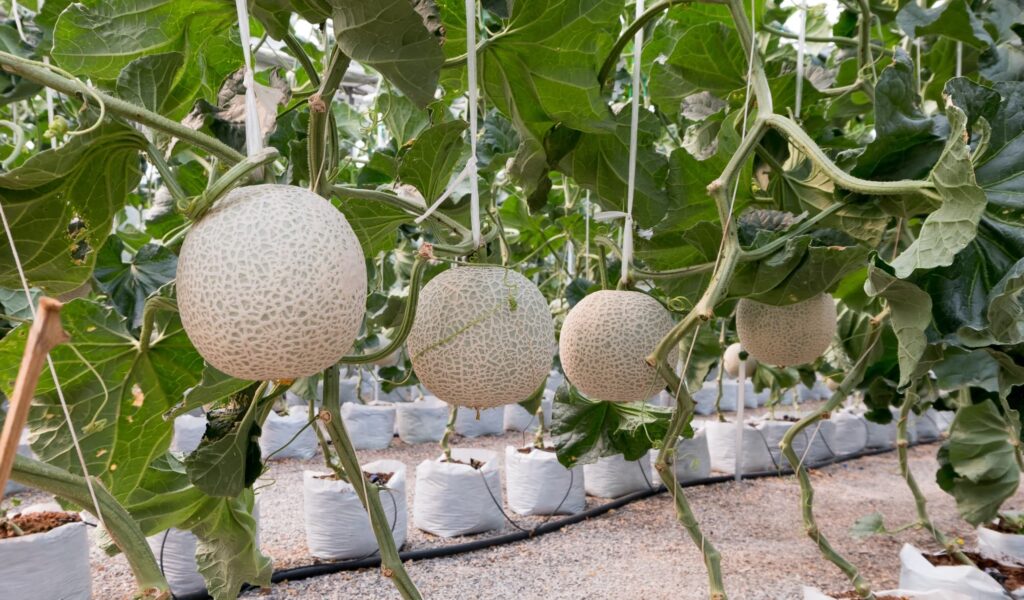
Watermelon plants can grow quite large and sprawling, so provide support to keep them upright and encourage better fruit production. You can use tomato cages or trellises to keep the vines off the ground.
Covering the Soil
To prevent weeds from growing and retain moisture in the soil, cover it with a black plastic sheet. This will also help regulate the temperature and provide a dry surface for the fruits to ripen on.
Pollination and Fertilization
Watermelon plants are self-pollinating, but having multiple plants nearby can increase fruit production. Make sure to water your plants regularly and fertilize them during the flowering stage using an organic fertilizer.
Pruning and Training
In mid-summer, prune the plant to encourage bushy growth and more fruiting. Remove any weak or spindly vines, and trim back the tips of the stronger stems to promote branching.
Thinning and Prying
To allow the remaining fruits to grow larger, thin out the weaker ones by carefully removing them from the vine.
Pest and Disease Management
Keep an eye out for pests like aphids, whiteflies, and squash bugs. Regularly inspect your plants and treat any infestations promptly. Also, be on the lookout for diseases like powdery mildew and fusarium wilt, which can be managed with fungicides or crop rotation.
Harvesting
The moment of truth! Check for ripeness by gently thumping the rind; a ripe watermelon should produce a deep, hollow sound. Cut the stem carefully to avoid damaging the fruit.
Tips and Variations
- To encourage better fruit set, plant multiple varieties side by side.
- Mulch around the plants to retain moisture and suppress weeds.
- Consider growing compact or dwarf varieties for smaller spaces.
- Don’t overcrowd your garden bed; give each plant plenty of space to grow.
- Watermelon plants can benefit from a layer of mulch around the base, keeping the soil moist and reducing evaporation.
Common Questions
-
Q: How often should I water my watermelon plants?
A: Water regularly, but avoid overwatering, which can lead to fungal diseases and root rot. Aim for about 2-3 inches of water per week, either from rainfall or irrigation. -
Q: Can I grow watermelons in containers?
A: Yes! Just make sure the container is at least 30 cm (12 inches) deep to accommodate the plant’s root system. Choose a container with good drainage holes and fill it with well-draining potting mix. -
Q: How long does it take for watermelon plants to mature?
A: Typically, it takes about 70-80 days from sowing the seeds to harvesting the first fruit. However, this can vary depending on factors like weather conditions, soil quality, and specific variety. -
Q: Can I grow watermelons in cold climates?
A: While watermelons can tolerate some frost, they generally thrive in warm temperatures above 25°C (77°F). If you live in a cold climate, consider using row covers or other techniques to protect your plants from frost damage. -
Q: Are there any specific fertilizers or soil requirements for growing watermelon?
A: Watermelon plants prefer well-draining soil with a pH between 6.0 and 7.0. You can use organic fertilizers like compost or manure tea to provide essential nutrients. -
Q: Can I grow multiple varieties of watermelons together?
A: Yes! Planting multiple varieties side by side can increase fruit production, but be aware that some varieties may not produce well if they’re too close together. Make sure to choose varieties with similar growing requirements and space needs. -
Q: How do I prevent powdery mildew on my watermelon plants?
A: Regularly inspect your plants for signs of powdery mildew, such as white, dusty patches on the leaves or stems. Treat promptly with a fungicide or by removing infected leaves to prevent spread. -
Q: Can I grow watermelons in vertically integrated gardens?
A: Yes! Watermelon vines can be trained to climb up trellises or other supports, making them an excellent choice for vertical gardens. Use a sturdy trellis and provide adequate support for the vines as they grow.
Additional Tips
- Keep your garden bed weed-free to reduce competition for water and nutrients.
- Consider using row covers or other techniques to protect your plants from pests and diseases.
- Watermelon plants can benefit from regular pruning, which can help promote bushy growth and more fruiting.
By following these steps and tips, you’ll be well on your way to growing delicious and juicy watermelons. Happy gardening!
Watermelon Growing Seasonal Calendar
| Month | Task |
|---|---|
| January-February | Plant seeds indoors for early spring harvests |
| March-April | Transplant seedlings outdoors when weather warms up |
| May-June | Thin out weak seedlings to promote healthy growth |
| July-August | Prune and train the vines to encourage bushy growth |
| September-October | Remove any dead or diseased leaves to prevent disease spread |
| November-December | Plan for next year’s crop, ordering seeds and preparing soil |
Watermelon Varieties
There are many different varieties of watermelons available, each with its own unique characteristics. Some popular varieties include:
- ‘Sugar Baby’: A compact variety that produces small, sweet fruits
- ‘Yellow Doll’: A hybrid variety that produces yellow-skinned fruits with pink flesh
- ‘Charleston Grey’: A heirloom variety that produces large, grey-skinned fruits with green flesh
When selecting a variety, consider factors like space needs, climate tolerance, and fruit size and color.


