
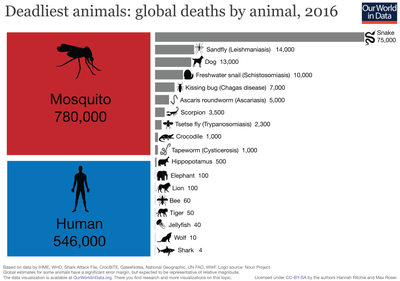
Are you ready to face the truth about the most ferocious creatures on our planet? From venomous snakes to massive predators, we’ll take a closer look at the top 10 deadliest animals that roam the earth. Buckle up and get ready for a wild ride!
The World’s Most Deadly Animals: An Introduction
From the scorching savannas of Africa to the lush rainforests of Asia, our planet is home to an incredible array of wildlife. While many creatures are harmless, others pose a significant threat to human life. In this article, we’ll explore the top 10 deadliest animals on the planet and what makes them so formidable.
10. Komodo Dragon: The Largest Lizard in the World
Meet the Komodo dragon, the largest lizard in the world, found only in Indonesia’s islands. This massive creature can grow up to 3 meters long and weigh over 70 kilograms. Its bite is deadly, with venom that can cause paralysis, shock, and even death.
The Komodo dragon is a formidable predator due to its size, strength, and powerful jaws. It has been known to take down prey much larger than itself, including water buffalo and even small elephants. The dragon’s venom is also highly potent, and it has been observed killing its victims by causing cardiac arrest and respiratory failure.
In addition to its deadly bite, the Komodo dragon is also a skilled hunter that uses stealth and ambush tactics to catch its prey off guard. Its scaly skin provides excellent protection against predators, making it one of the most resilient creatures on the planet.
9. Polar Bear: The Arctic Predator
Despite its cuddly appearance, the polar bear is a formidable predator that roams the Arctic Circle. Its powerful jaws and razor-sharp claws make it a force to be reckoned with. In fact, polar bears are responsible for more human deaths in the wild than any other animal.
Polar bears are highly adapted to their Arctic environment, with thick layers of fat and fur that keep them warm in freezing temperatures. They have also developed powerful hunting strategies that allow them to take down prey much larger than themselves, including seals and walruses.
One of the most fascinating aspects of polar bear behavior is their ability to adapt to different environments. In the summer months, they can be found on sea ice, where they hunt for ringed seals. In the winter, they retreat to coastal areas, where they can feed on carrion and other sources of food.
8. Blue-Ringed Octopus: The Venomous Marvel
The blue-ringed octopus is one of the most venomous marine animals on the planet. Found in tropical waters around the world, its bite can be deadly, with a toxin that’s 10 times more potent than cyanide.
Blue-ringed octopuses are small creatures that typically grow to be just over a foot long. However, they pack a massive punch when it comes to venom. Their venom is delivered through a series of sharp, barbed spines that protrude from their arms and suckers.
One of the most fascinating aspects of blue-ringed octopus behavior is their ability to change color and texture in response to their environment. They can blend in with their surroundings by flattening themselves or changing the color and pattern of their skin to match the rocks and coral around them.
7. Hippopotamus: The River Monster
Hippopotamuses are often referred to as “river monsters” due to their ferocity and aggression. Despite their seemingly docile nature, these large mammals are responsible for more human deaths in Africa than any other animal.
Hippos are massive creatures that can weigh over 1,500 kilograms and reach lengths of up to 5 meters. They have also developed powerful jaws and teeth that make them formidable predators. In fact, hippos are responsible for hundreds of human deaths each year, making them one of the deadliest animals on the planet.
One of the most fascinating aspects of hippo behavior is their social structure. Despite their fearsome reputation, hippos are actually highly social creatures that live in small herds. They have a complex communication system that involves a range of clicks, grunts, and body language cues.
6. Great White Shark: The Ocean’s Apex Predator
The great white shark is a formidable predator that rules the world’s oceans. Its powerful jaws and razor-sharp teeth make it a force to be reckoned with. In fact, great whites are responsible for an average of 5-15 human deaths per year.
Great white sharks are one of the largest predators on earth, reaching lengths of up to 6 meters and weighing over 2,000 kilograms. They have also developed powerful hunting strategies that allow them to take down prey much larger than themselves, including whales and sea lions.
One of the most fascinating aspects of great white shark behavior is their ability to track and hunt in open ocean environments. Unlike other sharks, which tend to congregate around coral reefs or coastal areas, great whites are capable of long-distance migrations across entire oceans.
5. African Buffalo: The “Cavalry of Death”
The African buffalo is known as the “cavalry of death” due to its ferocity and aggression. This massive bovine can weigh over 1,000 kilograms and is responsible for hundreds of human deaths each year.
African buffaloes are highly social creatures that live in large herds. They have also developed powerful horns and a strong sense of territoriality, which makes them formidable predators in their natural habitats.
One of the most fascinating aspects of buffalo behavior is their ability to adapt to different environments. In grasslands and savannas, they tend to congregate around water sources, where they can feed on lush vegetation. However, when threatened or attacked, they become highly aggressive and will defend themselves at all costs.
4. Saltwater Crocodile: The Largest Reptile on Earth
The saltwater crocodile is the largest reptile on earth, found in tropical regions around the world. Its powerful jaws and razor-sharp teeth make it a formidable predator that can take down prey much larger than itself.
Saltwater crocodiles are known for their incredible strength, which allows them to hold onto struggling animals underwater until they succumb to drowning or exhaustion. They have also developed a range of hunting strategies that allow them to catch prey off guard, including stealthy ambushes and powerful attacks on unsuspecting tourists.
One of the most fascinating aspects of saltwater crocodile behavior is their ability to thrive in extreme environments. In tropical waters with high temperatures and humidity, they can live for decades without drinking water or eating food. They have also developed a range of adaptations that allow them to survive in areas where other animals would perish, such as brackish estuaries and mangrove swamps.
3. African Lion: The King of the Jungle
Despite its majestic appearance, the African lion is a fierce predator that roams the savannas of Africa. Its powerful jaws and sharp claws make it a force to be reckoned with, responsible for hundreds of human deaths each year.
African lions are highly social creatures that live in prides, which typically consist of several females, their cubs, and one or more males. They have also developed complex communication systems that involve a range of vocalizations, body language cues, and scent markings.
One of the most fascinating aspects of lion behavior is their ability to hunt in coordinated groups. When working together, lions can take down prey much larger than themselves, including elephants and rhinos. However, when alone, they tend to rely on stealthy ambushes and powerful attacks to catch their prey off guard.
2. Venomous Snakes: The Silent Killers
Venomous snakes are responsible for thousands of human deaths each year, making them one of the deadliest animals on the planet. From cobras to vipers, these serpents are stealthy killers that strike without warning.
One of the most fascinating aspects of snake behavior is their ability to adapt to different environments. In tropical forests and grasslands, they tend to congregate around water sources, where they can feed on unsuspecting animals. However, when threatened or provoked, they become highly aggressive and will defend themselves at all costs.
1. Elephant: The Largest Land Animal
The elephant is the largest land animal on earth, found in savannas and forests across sub-Saharan Africa and southern Asia. Its massive size and strength make it a formidable predator that can take down prey much larger than itself.
Elephants are highly social creatures that live in large herds, typically led by a matriarchal figure. They have also developed complex communication systems that involve a range of vocalizations, body language cues, and scent markings.
One of the most fascinating aspects of elephant behavior is their ability to adapt to different environments. In savannas and grasslands, they tend to congregate around water sources, where they can feed on lush vegetation. However, when threatened or attacked, they become highly aggressive and will defend themselves at all costs.
In conclusion, each of these animals has evolved unique adaptations that allow them to thrive in their respective environments. Whether it’s the powerful jaws and venomous fangs of the Komodo dragon, the massive size and strength of the elephant, or the stealthy ambushes of the blue-ringed octopus, each species has developed remarkable strategies for survival in an ever-changing world.


