
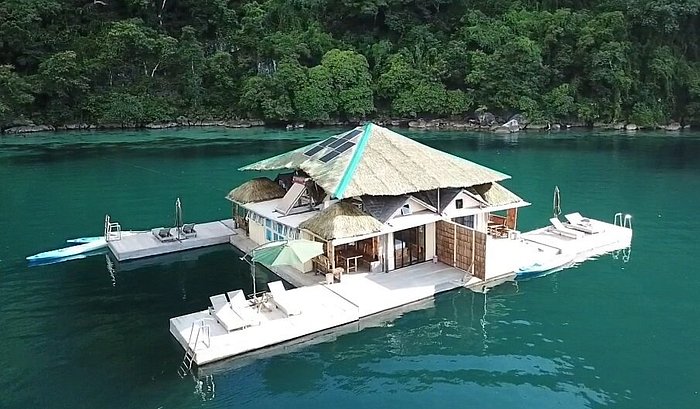
In remote areas prone to natural disasters like heavy rainfall and floods, a bamboo house can be the difference between life and death. Bamboo is a lightweight material that, when used wisely, can resist natural catastrophes and transform into a floating home in case of flooding.
As we explore the world of floating homes, it’s interesting to see how different cultures approach this innovative architecture. From the Inachus Floating Home in Western design to traditional bamboo structures in Eastern remote areas, each has its unique characteristics and benefits.
The Science Behind Bamboo Houses
So, what makes bamboo so special? The answer lies in its unique properties: lightweight, flexible, and incredibly strong. When used as a building material, bamboo can be crafted into various forms, from simple shelters to elaborate floating homes.
In Western countries, like Switzerland and the Netherlands, floating homes are often designed to address space management issues. However, in other parts of the world, such as Nigeria, entire villages have been built on water to prevent drowning. The Makoko community in Lagos, home to 250,000 residents, is a prime example of this innovative solution.
Bamboo Architecture in Bangladesh
In Bangladesh, communities have long incorporated bamboo into their architecture. The H&P studio from Vietnam has designed modular bamboo houses that are accessible to all, using locally-sourced materials like coconut leaves and bamboo.
These structures can be built in just 25 days using simple techniques like lashing and nailing. The exterior features a vertical garden wall, perfect for growing fruits and vegetables.
The Benefits of Bamboo Houses
So, what makes bamboo houses so attractive? Here are some compelling reasons:
- Sustainability: Bamboo is an incredibly renewable resource, requiring minimal processing and maintenance.
- Resilience: Bamboo can withstand harsh weather conditions, making it an ideal choice for areas prone to natural disasters.
- Affordability: Bamboo houses are often more affordable than traditional construction methods, making them accessible to low-income communities.
Designing the Perfect Bamboo House
So, how do you design a bamboo house that’s both functional and beautiful? Here are some key considerations:
- Modular Design: Break down your design into modular components to simplify construction and minimize waste.
- Local Materials: Use locally-sourced materials to reduce transportation costs and environmental impact.
- Vertical Garden Wall: Incorporate a vertical garden wall for additional space and aesthetic appeal.
Key Factors in Bamboo House Design
Here are some key factors to consider when designing a bamboo house:
- Climate and Weather Resistance: Consider the local climate and design your bamboo house accordingly.
- Waterproofing: Ensure that your bamboo house is waterproof by using materials like tarps or membranes.
- Structural Integrity: Use a strong foundation and sturdy bamboo beams to ensure the structural integrity of your home.
Challenges in Bamboo House Construction
While bamboo houses offer many benefits, there are also some challenges to consider:
- Limited Availability: In some areas, high-quality bamboo may be hard to find.
- Local Regulations: Check with local authorities for any regulations or restrictions on building bamboo houses.
- Weather Resistance: Bamboo is susceptible to weather damage if not designed and built correctly.
Innovative Materials in Bamboo House Design
To create a more sustainable and innovative bamboo house, consider incorporating these materials:
- Recycled Materials: Use recycled materials like old tires or plastic bottles to add structure and support.
- Natural Fibers: Incorporate natural fibers like coconut husk or hemp into your design for added durability.
- Solar Panels: Install solar panels on the roof of your bamboo house to harness renewable energy.
Benefits of Bamboo Houses in Developing Communities
Bamboo houses can have a significant impact on developing communities:
- Affordability: Bamboo houses are often more affordable than traditional construction methods, making them accessible to low-income families.
- Sustainability: Bamboo is an incredibly renewable resource, requiring minimal processing and maintenance.
- Community Development: Bamboo houses can be designed to accommodate community needs, such as schools or healthcare facilities.
Conclusion
Floating bamboo houses are not only an innovative solution to natural disaster risk but also a sustainable and affordable way to live. By embracing this eco-friendly architecture, we can create homes that are both functional and beautiful.
Frequently Asked Questions (FAQs)
- What is the ideal climate for building a bamboo house?
- How do I choose the right type of bamboo for my project?
- Can bamboo houses be designed to withstand extreme weather conditions?
- What are some common mistakes to avoid when building a bamboo house?
- How can I ensure that my bamboo house is resistant to pests and decay?
- What are some innovative materials I can use in conjunction with bamboo?
- How do I maintain and repair a bamboo house?
- Can bamboo houses be used for commercial purposes, such as offices or restaurants?


