
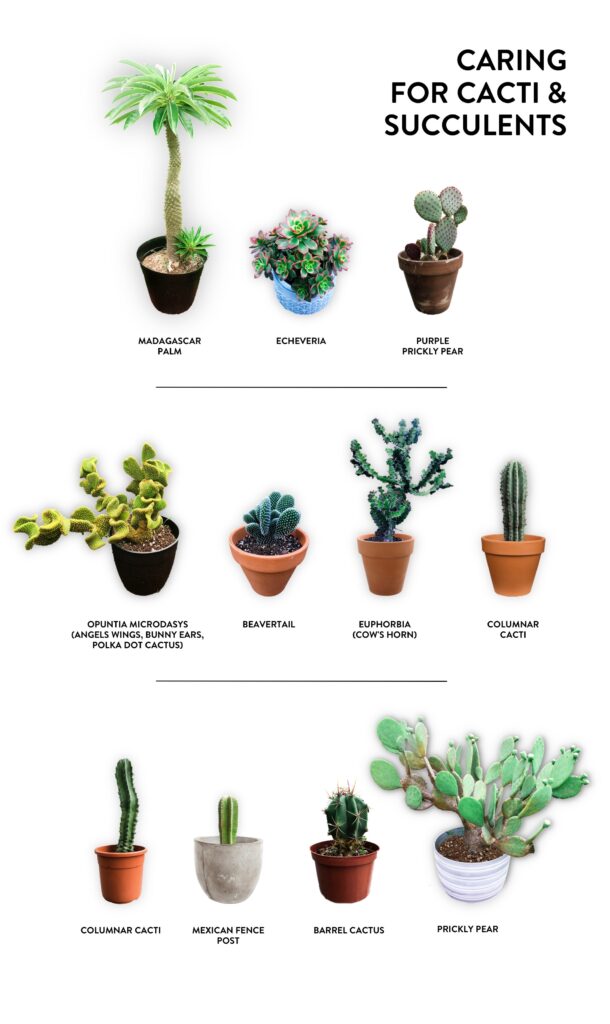
As anyone can attest, having a cactus can be an excellent idea for adding some greenery to your garden or home. These succulent plants are not only beautiful but also low-maintenance and easy to care for, making them perfect for beginners or those who don’t have a green thumb. In this article, we’ll explore the best ways to care for cacti, from lighting and soil to watering and fertilization.
Understanding Cactus Care
Cacti are renowned for their ability to store water in their stems, leaves, and roots, allowing them to survive for extended periods without water. They can also tolerate extreme temperatures and dry conditions, making them ideal for outdoor or indoor spaces. However, cacti do have specific needs that must be met to ensure they thrive.
One key requirement is light. Cacti need plenty of sunlight to grow and develop properly. In the summer months, it’s best to place them in a spot that receives direct sunlight for at least 4-6 hours a day. If you’re growing cacti indoors, make sure they receive sufficient natural light or consider using grow lights.
Choosing the Right Soil
When selecting soil for your cactus, look for a well-draining mix specifically designed for cacti and succulents. This type of soil will contain perlite, vermiculite, or sand to prevent waterlogged soil conditions. Avoid using regular potting soil, as it can retain too much moisture and cause root rot.
The key characteristics of a good cactus soil are:
- Good drainage: allows excess water to escape, preventing waterlogging
- Low organic matter content: reduces the risk of root rot and other problems
- High pH level: most cacti prefer a slightly acidic to neutral soil pH (around 6.0-7.0)
- Presence of essential minerals: such as calcium, magnesium, and potassium
Some popular options for cactus soil include:
- Miracle-Gro Cactus, Palm & Citrus Potting Mix
- Black Gold Cactus Mix
- Espoma Organic Cactus Tone Fertilizer (can be used as a soil amendment)
Watering Your Cactus
Overwatering is one of the most common mistakes people make when caring for cacti. Water your cactus sparingly, allowing the soil to dry out completely between waterings. During the winter months, reduce watering even further, as cacti require less moisture during this time.
Here are some tips for watering your cactus:
- Check the soil moisture by sticking your finger into the soil up to the first knuckle.
- Water only when the soil feels dry to the touch.
- Water thoroughly, making sure the pot drains well to prevent waterlogging.
- Avoid getting water on the plant’s leaves or crown (where the stem meets the roots) to prevent rot.
Fertilizing Your Cactus
Cacti need a balanced fertilizer to promote healthy growth and development. During the growing season (spring and summer), use a balanced, water-soluble fertilizer at half the recommended strength. In the fall, switch to an acidic fertilizer specifically designed for cacti and succulents.
Some popular options for cactus fertilizers include:
- Miracle-Gro Shake ‘n Feed All Purpose Plant Food
- Espoma Organic Cactus Tone Fertilizer (can be used as a soil amendment)
- Scotts Osmocote 14-14-14 Professional Plant Food
When using a fertilizer, make sure to follow the instructions and take the following precautions:
- Dilute the fertilizer according to the manufacturer’s instructions.
- Avoid over-fertilizing, as this can cause more harm than good.
- Water your cactus thoroughly after fertilizing to prevent burning the roots.
Additional Tips
- Handle your cactus with care, as they can be brittle and prone to damage.
- Keep your cactus away from children and pets to avoid any potential harm.
- Monitor your cactus’s temperature, as extreme heat or cold can cause damage.
- Repot your cactus every 2-3 years to refresh the soil and provide a larger pot if necessary.
Propagation Methods
Cacti can be propagated using various methods, including:
- Offsets: remove small offsets (baby plants) from the mother plant and allow them to dry for a few days before planting.
- Leaf cuttings: take healthy leaf segments from the mother plant and plant them in well-draining soil.
- Seeds: sow cactus seeds on the surface of a well-draining potting mix, and keep them moist until germination.
Some popular propagation methods include:
- Offsets: most cacti can produce offsets that can be easily removed and replanted.
- Leaf cuttings: some species of cacti, such as Christmas Cactus, can be propagated using leaf cuttings.
- Seeds: cacti seeds are relatively easy to germinate and can be used to propagate new plants.
Common Problems
Despite proper care, cacti can still experience problems. Some common issues include:
- Overwatering: cause of root rot and other problems.
- Underwatering: cause of shriveling and browning of leaves.
- Pests: such as mealybugs, spider mites, and scale.
- Diseases: such as powdery mildew and root rot.
Conclusion
With these simple tips and guidelines, you’ll be well on your way to becoming a cactus expert. Remember to choose the right soil, water sparingly, fertilize regularly, and handle your cactus with care. With proper care, your cactus will thrive and bring joy and beauty to your home or garden.
Frequently Asked Questions
Q: How often should I water my cactus?
A: Water your cactus sparingly, allowing the soil to dry out completely between waterings. Reduce watering in winter months.
Q: What type of soil is best for cacti?
A: Look for a well-draining mix specifically designed for cacti and succulents.
Q: Can I fertilize my cactus year-round?
A: Use a balanced fertilizer during the growing season (spring and summer), and switch to an acidic fertilizer in the fall.
Q: How often should I repot my cactus?
A: Repot your cactus every 2-3 years to refresh the soil and provide a larger pot if necessary.
Q: Can I grow cacti indoors?
A: Yes, but make sure they receive sufficient natural light or use grow lights.
Q: Are cacti toxic to pets and children?
A: While cacti are generally safe, some species can be toxic. Keep them out of reach of curious pets and children.
Q: Can I propagate my cactus?
A: Yes, you can propagate your cactus by removing offsets or using leaf cuttings.
Q: How long does it take for a cactus to grow?
A: Growth rates vary depending on the species, but most cacti can produce flowers within 2-3 years after planting.


