
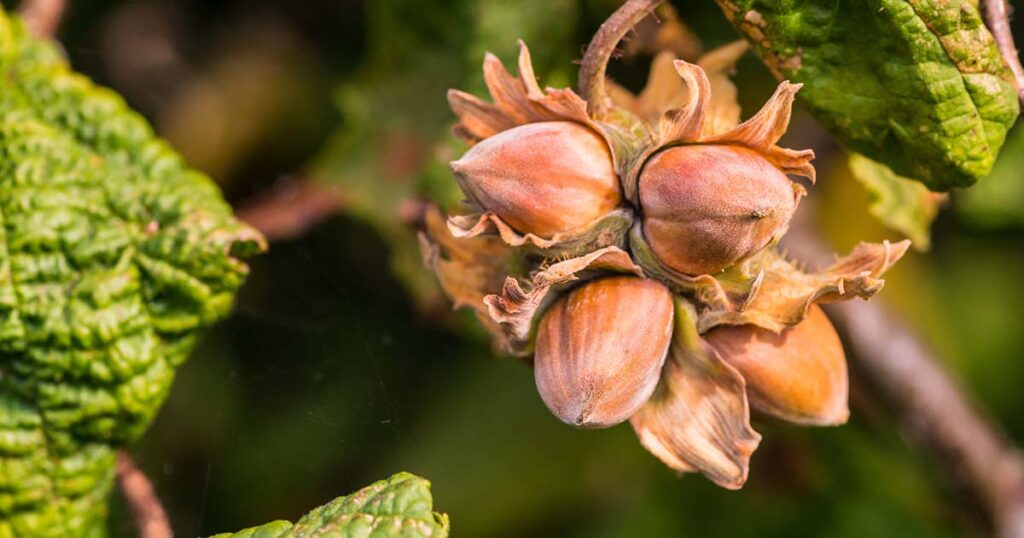
As one of the most widely cultivated nuts in the world, hazelnuts are a popular choice for gardeners and farmers alike. Native to Asia Minor, these trees thrive in Italy’s diverse regions, reaching altitudes of up to 1,300 meters. In this article, we’ll delve into the world of hazelnut cultivation, covering everything from planting and care to harvesting and processing.
Understanding Hazelnuts
Hazelnuts (Corylus avellana) belong to the Betulaceae family and are a staple in many cuisines around the world. With their rich history and cultural significance, it’s no wonder why hazelnut cultivation has become increasingly popular. As we explore the art of growing hazelnuts, keep in mind that these trees have specific needs that must be met for optimal growth.
Planting Hazelnuts
When planting a hazelnut tree, timing is crucial. Autumn is the best season to plant, as this allows the roots to establish themselves before winter sets in. However, it’s essential to consider the following factors:
- pH levels: Avoid planting on soil with a pH level above 8, as this can be detrimental to the tree’s health.
- Soil composition: Hazelnuts prefer well-draining soil with a mix of sand and clay. Avoid planting on heavy or soggy soils.
- Sunlight: Ensure that your hazelnut tree receives sufficient sunlight for optimal growth.
Preparing the Soil
Before planting, it’s crucial to prepare the soil properly. This involves:
- Concreting: Perform an initial concreting operation to a depth of at least 50 cm to loosen the soil and create a well-draining environment.
- Aeration: Use machines or manual methods to aerate the soil, reducing compaction and improving air circulation.
Planting Techniques
Once you’ve prepared your soil, it’s time to plant your hazelnut tree. Follow these steps:
- Dig a hole that is twice as wide and just as deep as the root ball.
- Gently remove the tree from its container or burlap, taking care not to disturb the roots.
- Place the tree in the hole, ensuring the graft union (if applicable) is above the soil level.
- Fill in the hole with a mix of soil and compost, tamping it down gently as you go.
Pruning and Training
Pruning and training are essential for maintaining a healthy and productive hazelnut tree. Follow these guidelines:
- Pruning: Prune your hazelnut tree annually to maintain its shape, promote fruiting, and remove any diseased or damaged branches.
- Training: Train your hazelnut tree using techniques such as quincunçal planting, which involves planting the tree at the center of a pentagon-shaped layout.
Harvesting Hazelnuts
Hazelnuts are typically ready to harvest in late summer or early fall. Follow these steps:
- Identify: Identify mature hazelnuts by their distinctive shape and color.
- Pick: Pick the hazelnuts, taking care not to damage the tree or the fruit.
- Process: Process your harvested hazelnuts according to local regulations and culinary traditions.
Soil pH and Nutrient Requirements
Hazelnut trees have specific soil pH and nutrient requirements that must be met for optimal growth. Here are some guidelines:
- Soil pH: Hazelnut trees prefer a slightly acidic to neutral soil pH, ranging from 6.0 to 7.0.
- Nutrient requirements: Hazelnuts require a balanced diet of nitrogen, phosphorus, and potassium. A comprehensive fertilizer should be applied annually, following the manufacturer’s instructions.
Common Hazelnut Pests and Diseases
Hazelnut trees are susceptible to various pests and diseases that can impact their growth and productivity. Here are some common issues:
- Pests: Aphids, scales, and codling moths are common pests that affect hazelnut trees.
- Diseases: Root rot, leaf spot, and powdery mildew are common diseases that can impact hazelnut trees.
Irrigation and Watering
Hazelnut trees require adequate water for optimal growth. Here are some guidelines:
- Irrigation: Hazelnuts need about 20-25 inches of rainfall per year.
- Watering: Avoid overwatering, as this can lead to root rot and reduced growth.
Conclusion
Growing hazelnuts requires dedication, patience, and attention to detail. By understanding the specific needs of these trees and following proper planting, pruning, and harvesting techniques, you can enjoy a bountiful harvest of delicious hazelnuts.
Frequently Asked Questions
Q: What is the best time to plant a hazelnut tree?
A: Autumn is the ideal season for planting a hazelnut tree, as this allows the roots to establish themselves before winter sets in.
Q: How often should I prune my hazelnut tree?
A: Prune your hazelnut tree annually to maintain its shape, promote fruiting, and remove any diseased or damaged branches.
Q: What is quincunçal planting, and how does it benefit my hazelnut tree?
A: Quincunçal planting involves planting the tree at the center of a pentagon-shaped layout. This technique promotes healthy growth, reduces disease susceptibility, and increases fruit production.
Q: How do I identify mature hazelnuts?
A: Mature hazelnuts are typically identified by their distinctive shape and color. Look for nuts that are a deep brown or reddish-brown color, with a smooth, glossy surface.
Q: Can I grow hazelnuts in poor soil conditions?
A: Hazelnuts prefer well-draining soil with a mix of sand and clay. Avoid planting on heavy or soggy soils, as this can lead to root rot and reduced growth.
Q: How do I process my harvested hazelnuts?
A: Process your harvested hazelnuts according to local regulations and culinary traditions. This may involve shelling, roasting, or cooking the nuts for consumption.


