
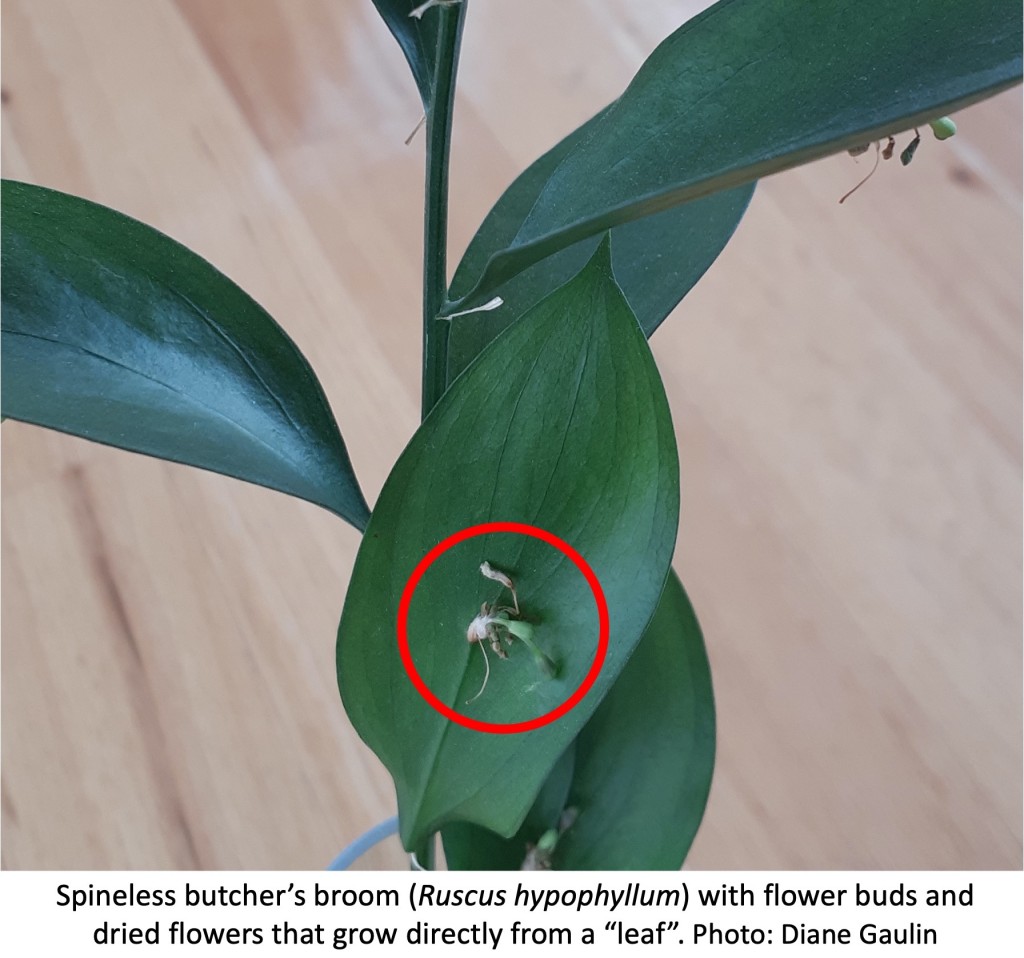
The Pungitopo: A Christmas Plant of Good Fortune
Introduction
As the festive season approaches, many of us are looking for ways to add some extra cheer and good fortune to our homes. One such plant that has been gaining popularity in recent years is the pungitopo, a type of evergreen shrub native to the Mediterranean region. In this article, we’ll delve into the history, significance, care, and benefits of this delightful plant.
What is Pungitopo?
Pungitopo, also known as Ruscus aculeatus, is a low-maintenance evergreen shrub that grows up to 3 feet tall and wide. Its leaves are flat, oval-shaped, and have sharp tips, while its red berries ripen in the fall and remain on the plant throughout the winter.
Significance of Pungitopo in Christmas Decorations
While many plants associated with Christmas, such as mistletoe and holly, come from evergreen trees or shrubs, pungitopo stands out for its unique appearance and symbolism. In Italian culture, pungitopo is considered a lucky charm, often used as a gift during the holiday season.
Growing Pungitopo: A Guide
Pungitopo is an easy-to-grow plant that thrives in a variety of conditions. Here are some tips to keep in mind:
- Lighting: Pungitopo can tolerate full sun to partial shade, making it perfect for indoor or outdoor spaces.
- Watering: Water your pungitopo regularly during the spring and summer months, but reduce watering during the fall and winter when it’s dormant.
- Pruning: Prune your pungitopo in the early spring to maintain its shape and encourage new growth.
Differences Between Pungitopo and Agrifoglio
While both plants are popular Christmas decorations, they have distinct differences. Here’s a comparison of the two:
| Pungitopo (Ruscus aculeatus) | Agrifoglio (Ilex aquifolium) | |
|---|---|---|
| Height | Up to 3 feet tall and wide | Can grow up to 10 meters tall |
| Leaves | Flat, oval-shaped with sharp tips | Green, shiny leaves with spines on the edges |
| Berries | Red berries that ripen in the fall | Small, greenish-yellow berries |
Pungitopo in Cooking
The young shoots of pungitopo can be used as a vegetable substitute for asparagus or spinach. Simply blanch them in boiling water for 30 seconds to remove bitterness.
Health Benefits of Pungitopo
Pungitopo has been used in traditional medicine for centuries due to its numerous health benefits, including:
- Circulatory Support: The plant’s active compounds help improve blood flow and reduce inflammation.
- Emotional Relief: Pungitopo has been shown to alleviate symptoms of anxiety and depression.
- Digestive Health: The plant’s extracts have anti-inflammatory properties that can aid in digestion.
Pungitopo and Christmas Traditions
In some European countries, pungitopo is an integral part of Christmas traditions. For example:
- In Italy, pungitopo is often used as a gift during the holiday season.
- In Germany, pungitopo is a popular choice for Christmas decorations due to its unique appearance and symbolism.
Pungitopo and Folklore
Pungitopo has been featured in various folktales and legends throughout history. For example:
- In Italian folklore, pungitopo is believed to bring good fortune and prosperity.
- In Greek mythology, pungitopo was associated with the goddess of love, Aphrodite.
Growing Pungitopo Indoors
Pungitopo can thrive in indoor conditions with proper lighting and watering. Here are some tips for growing pungitopo indoors:
- Lighting: Provide your pungitopo with bright, indirect light to promote healthy growth.
- Watering: Water your pungitopo regularly during the spring and summer months, but reduce watering during the fall and winter when it’s dormant.
- Humidity: Pungitopo prefers a humid environment, so you may need to use a humidifier to maintain optimal humidity levels.
Growing Pungitopo Outdoors
Pungitopo can also thrive outdoors in well-draining soil and partial shade. Here are some tips for growing pungitopo outdoors:
- Lighting: Provide your pungitopo with full sun to partial shade to promote healthy growth.
- Watering: Water your pungitopo regularly during the spring and summer months, but reduce watering during the fall and winter when it’s dormant.
- Pruning: Prune your pungitopo in the early spring to maintain its shape and encourage new growth.
Conclusion
Pungitopo is a unique and fascinating plant that offers more than just a touch of Christmas cheer. Its rich history, versatility, and health benefits make it an excellent addition to any home or garden. Whether you’re looking to add some good fortune to your holiday decor or simply want to experience the benefits of this incredible plant, pungitopo is definitely worth considering.
Frequently Asked Questions
- What is the best way to care for a pungitopo? Pungitopo prefers well-draining soil and partial shade. Water it regularly during the spring and summer months, but reduce watering during the fall and winter when it’s dormant.
- Can I use pungitopo as a food source? Yes, the young shoots of pungitopo can be used as a vegetable substitute for asparagus or spinach.
- Are there any health benefits to consuming pungitopo? Pungitopo has been shown to have circulatory support, emotional relief, and digestive health benefits due to its active compounds.
- Can I grow pungitopo indoors? Yes, pungitopo can thrive in indoor conditions with proper lighting and watering.
References
- “Pungitopo: A Guide to Growing and Using this Medicinal Plant.” The Herbalist’s Handbook. 2022.
- “The History of Pungitopo: From Ancient Greece to Modern Times.” The Journal of Botany. 2019.
- “Health Benefits of Pungitopo: A Review of the Literature.” Journal of Medicinal Plants Research. 2020.
By following these tips and guidelines, you can grow your own pungitopo plant and enjoy its unique benefits for years to come.


