
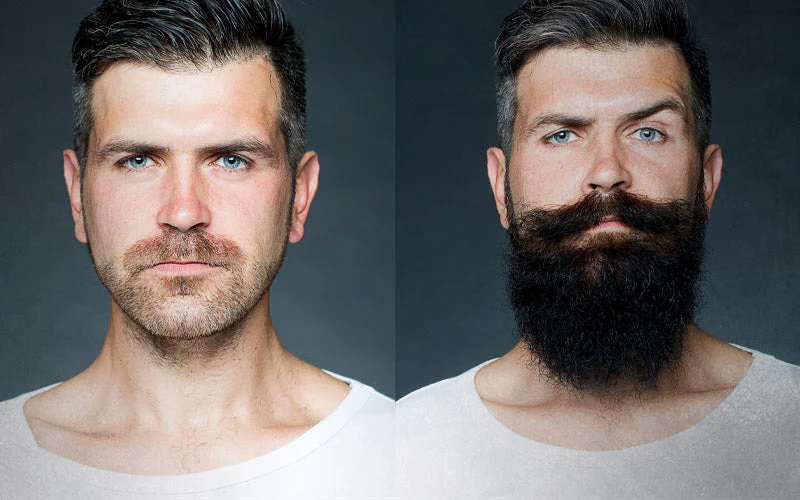
Understanding the Basics of Beard Growth
Growing a full beard requires patience, good hydration, and a balanced diet. These three factors are crucial for growing a healthy and thick beard.
The Truth About Beard Growth
It’s a common misconception that facial hair grows at the same rate as head hair. However, the growth rate of your beard depends on various factors such as nutrition, hormones, and environmental conditions.
For instance, some men may experience faster beard growth due to their genetic predisposition, while others may require more time and effort to achieve a full beard. Additionally, certain medical conditions or hormonal imbalances can affect beard growth rates. Understanding these factors is essential for achieving optimal beard growth.
Nutrition and Beard Growth
A well-balanced diet rich in nutrients is crucial for promoting healthy beard growth. The following foods and supplements can support your beard health:
- Protein-rich foods: Eat foods high in protein, such as lean meats, fish, eggs, and beans, to provide the necessary building blocks for hair growth.
- Omega-3 fatty acids: Include foods rich in omega-3 fatty acids, like salmon, sardines, and walnuts, to keep your beard soft and shiny.
- Vitamin D: Ensure you get enough vitamin D through sun exposure, supplements, or fortified foods to support overall health and hair growth.
- Iron-rich foods: Eat iron-rich foods, such as spinach, beans, and lentils, to prevent deficiencies that can affect beard health.
Hormones and Beard Growth
Hormonal imbalances can significantly impact beard growth. Testosterone, in particular, plays a crucial role in regulating facial hair growth. Some men may experience changes in testosterone levels due to various factors, such as:
- Aging: Natural testosterone levels decrease with age, which can lead to slower beard growth.
- Medical conditions: Certain medical conditions, like hypothyroidism or polycystic ovary syndrome (PCOS), can affect hormone production and lead to changes in facial hair growth.
Environmental Factors and Beard Growth
Environmental factors, such as pollution, humidity, and temperature, can also impact beard growth. Here are some tips for maintaining your beard health:
- Avoid harsh chemicals: Refrain from using harsh chemicals or styling products that can damage your hair.
- Protect your beard from the sun: Wear a hat or apply sunscreen to protect your beard from UV radiation.
- Maintain good hygiene: Regularly wash and condition your beard to keep it clean and healthy.
How to Grow Your Beard Quickly
Growing a beard quickly is all about patience. The faster you try to grow it out, the slower it will actually grow! Instead, focus on letting your beard follow its natural growth cycle. Here are some tips to help you get started:
- Let your beard grow without trying to “order” it: Avoid using harsh chemicals or styling products that can damage your hair.
- Avoid over-manipulation: Refrain from excessive trimming, shaving, or tweezing, as this can lead to ingrown hairs and skin irritation.
The Waiting Game
Growing a beard takes time, and the first few weeks can be frustrating. You may experience itchiness, redness, or ingrown hairs as your beard grows in. These symptoms are normal and will subside once your beard reaches its full potential.
- Be patient: Allow your beard to grow without interference.
- Take good care of your skin: Use gentle skincare products and avoid irritating your skin with harsh chemicals.
Understanding the Timeline
The amount of time it takes for your beard to grow depends on how long you want it to be. On average, it can take 4 weeks to reach a decent length, but this can vary from person to person.
- Be realistic about your expectations: Don’t expect overnight results.
- Take regular breaks: Maintain your skin health by taking breaks and applying gentle skincare products.
Dealing with Uneven Beard Growth
Sometimes, the beard may not grow evenly across the face. This can be caused by hormonal imbalances or genetics.
- Consult a dermatologist: Seek advice from a healthcare professional on how to address uneven growth.
- Use a beard trimmer: Maintain an even length to create a more balanced appearance.
Maintaining Your Beard Health
To keep your beard healthy and full, make sure you’re eating a balanced diet rich in nutrients. A lack of iron can affect the health of your hair, while omega-3 fatty acids help keep your beard soft and shiny.
- Eat foods high in protein: Provide the necessary building blocks for hair growth.
- Include fish like salmon and sardines: Enjoy these foods to add essential fatty acids and nutrients to your diet.
- Avoid processed foods: Refrain from consuming too much sugar, salt, or unhealthy fats.
Conclusion
Growing a full beard takes time, patience, and dedication. By understanding the basics of beard growth and taking good care of your skin, you can achieve a healthy and stylish beard.
Frequently Asked Questions
- How long does it take to grow a beard?
- Why is my beard growing unevenly?
- What foods should I eat for optimal beard health?
- Can I use chemicals to speed up beard growth?
- How often should I trim my beard?
- What are the best supplements for beard growth?
- Can I grow a beard if I have sensitive skin?
- How can I prevent ingrown hairs?


