
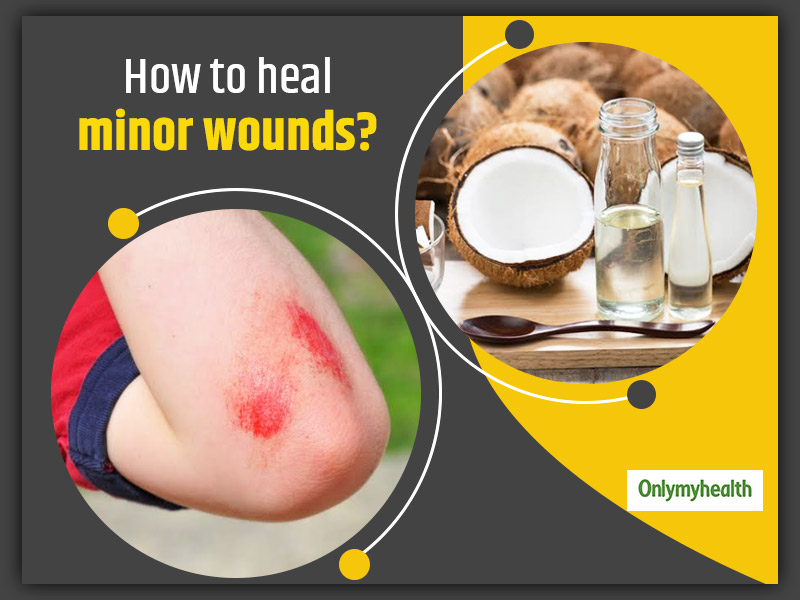
As we navigate the world, it’s inevitable to encounter injuries that require attention. While modern medicine offers effective treatments, natural remedies can also play a significant role in promoting faster wound healing. In this article, we’ll delve into the world of natural cicatrizzanti (wound-healing agents) and explore their benefits, uses, and potential drawbacks.
Understanding Wound Healing
Before we dive into the natural remedies, it’s essential to understand the process of wound healing. When a wound occurs, the body’s natural response is to promote tissue repair. However, certain factors can impede this process, such as infection, poor nutrition, or inadequate rest. In these cases, incorporating natural cicatrizzanti into your daily routine can significantly aid in the healing process.
Assessing the Damage
When faced with a wound, it’s crucial to assess the damage and seek immediate medical attention if necessary. If the wound is deep or bleeding heavily, it may require professional treatment to prevent infection or further complications. In such cases, applying pressure to the wound using a clean cloth or bandage can help control bleeding.
Natural Cicatrizzanti: A Review
Several natural cicatrizzanti have been shown to promote faster wound healing when applied correctly. Here are some of the most effective options:
- Aloe Vera: The gel from aloe vera plants has anti-inflammatory and antibacterial properties, making it an excellent natural remedy for promoting wound healing.
- Lavender Oil: Lavender oil’s antiseptic and anti-inflammatory properties can help reduce inflammation and promote tissue repair.
- Tea Tree Oil: Tea tree oil’s antimicrobial properties make it an effective natural remedy for preventing infection and promoting wound healing.
Using Natural Cicatrizzanti: Tips and Precautions
While incorporating natural cicatrizzanti into your daily routine can be beneficial, it’s essential to use them correctly:
- Apply aloe vera gel or tea tree oil directly to the wound, but avoid using lavender oil undiluted.
- Avoid applying too much pressure or heat, as this can impede healing.
- Keep wounds clean and dry to prevent infection.
Nutrition for Wound Healing
A well-balanced diet rich in essential nutrients is crucial for promoting wound healing. Some of the key nutrients include:
- Protein: Essential for building new tissue
- Vitamins C and E: Support collagen synthesis and immune function
- Minerals like zinc, iron, and copper: Aid in collagen production and tissue repair
Bearing Wounds: To Expose or Cover?
When to expose a wound is an age-old debate. While keeping wounds clean can promote healing, covering them with a bandage may prevent infection. Here are some guidelines:
- If the wound is deep or bleeding heavily, cover it with a sterile dressing.
- If the wound is shallow and clean, exposing it can promote air circulation and reduce bacteria growth.
Frequently Asked Questions
Here are some answers to common questions about natural cicatrizzanti and wound healing:
- Can I use essential oils on open wounds?
- No, it’s recommended to avoid using undiluted essential oils on open wounds due to the risk of infection.
- What is the best way to apply aloe vera gel to a wound?
- Apply a thin layer of aloe vera gel directly to the wound, avoiding excessive pressure or heat.
- How long does it take for wounds to heal naturally?
- The healing time varies depending on factors like age, nutrition, and overall health, but with proper care and natural remedies, wounds can heal faster than expected.
Other Natural Remedies for Wound Healing
In addition to the natural cicatrizzanti mentioned earlier, there are other remedies that may aid in wound healing:
- Honey: Known for its antibacterial properties, honey can help prevent infection and promote tissue repair.
- Olive Oil: Olive oil’s anti-inflammatory properties can reduce inflammation and promote collagen synthesis.
- Turmeric: Turmeric contains curcumin, which has potent anti-inflammatory and antimicrobial properties that can aid in wound healing.
Preventing Infections
Infection is a major complication of wounds. To prevent infections, it’s essential to:
- Keep wounds clean and dry
- Avoid sharing personal care items or towels
- Wash your hands regularly
- Apply topical antibiotics or antimicrobial creams if necessary
Managing Pain and Discomfort
Wound healing can be a painful process. To manage pain and discomfort, consider the following:
- Over-the-counter pain relievers like acetaminophen or ibuprofen
- Prescription medications like opioids or muscle relaxants (under medical supervision)
- Topical creams or ointments containing lidocaine or benzocaine
Supporting Wound Healing with Lifestyle Changes
Lifestyle changes can also support wound healing:
- Exercise regularly: Exercise promotes blood flow and helps your body heal faster.
- Get enough sleep: Adequate rest and sleep are crucial for the immune system to function properly.
- Reduce stress: High levels of stress can impede the wound healing process.
In conclusion, incorporating natural cicatrizzanti into your daily routine can significantly promote wound healing. By understanding the process of wound healing, using these natural remedies correctly, maintaining a well-balanced diet, and following guidelines on exposing or covering wounds, you can support your body’s natural healing processes and achieve optimal results.


