
Introduction
In Italy, there are several species of toads that can be found in the wild. One of the most common and widespread is the Emerald Toad, also known as Bufotes viridis. In this article, we will delve into the world of this fascinating creature and explore its habits, habitat, diet, reproduction, and other interesting facts.
Physical Characteristics
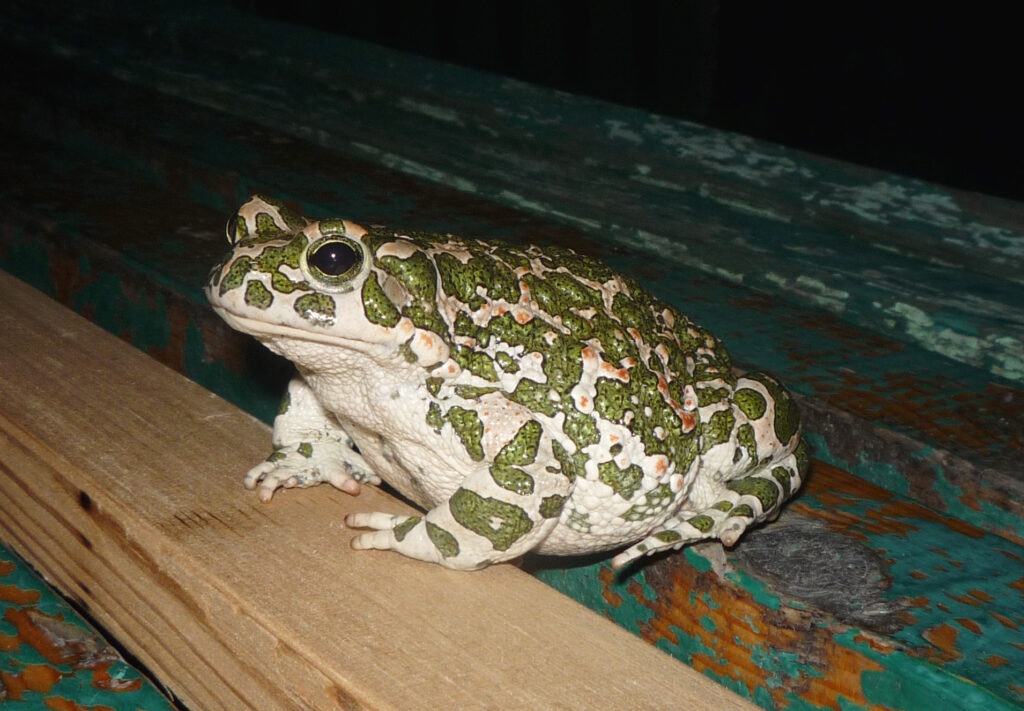
The Emerald Toad is smaller than the Common Toad (Bufo bufo) and can grow up to 10 cm in length, with an average size of 6-7 cm. Its skin is characterized by greenish-yellow spots and stripes, which give it its distinctive emerald color. The underside of the toad is clear.
Identification
One way to identify the Emerald Toad is by its unique “call”. Unlike the Common Toad, which has a deeper, more raspy sound, the Emerald Toad’s call is higher-pitched and more frequent. You can usually hear it at night, especially in areas with moist soil and vegetation.
Habitat
The Emerald Toad can be found in various parts of Italy, including countryside, gardens, and urban areas with water features. It prefers open habitats with grasses and herbs, but can also thrive in dry environments. In fact, this toad is one of the most adaptable species in terms of habitat.
Behavior
As nocturnal animals, Emerald Toads are active at night, using their senses to hunt for food and find mates. They tend to avoid open areas during the day, especially on sunny days, and are more likely to be seen in cloudy or rainy weather.
Conservation Status
Unfortunately, the Emerald Toad is facing threats to its survival due to habitat degradation and climate change. The rapid draining of ponds and lakes, as well as changes in temperature and soil composition, can all impact the toad’s ability to reproduce and thrive.
In some regions, the introduction of non-native fish species has also been known to harm Emerald Toads, as these fish feed on their eggs. As a result, conservation efforts are underway to protect this species and its habitats.
Diet
Emerald Toads share their diet with the Common Toad, feeding on insects such as grasshoppers, crickets, and caterpillars. They also consume small invertebrates like worms and snails. Due to their relatively small size, they are not capable of preying on larger animals.
Reproduction
In the spring, Emerald Toads emerge from hibernation and begin the process of reproduction. During this time, males emit a more intense call to attract females. After mating, the female lays eggs in strands (filaments) that can reach up to 30 cm in length. These egg strands adhere to rocks, plants, or aquatic surfaces.
From Tadpole to Toad
After hatching from their eggs, the tadpoles undergo metamorphosis, eventually developing into adult Emerald Toads. During this process, they feed on algae and other small organisms to sustain themselves.
Toxicity
One of the most interesting aspects of the Emerald Toad is its toxic secretions. While these toxins are not deadly to humans, they can cause irritation to mucous membranes like eyes, mouth, or nose. However, it’s essential to note that this toxin is harmless to humans in general and should not generate alarm.
Hibernation
Emerald Toads hibernate during the winter months, typically from November to March. During this time, their metabolism slows down, and they enter a state of dormancy. This allows them to conserve energy and survive the harsh winter conditions.
Social Structure
Emerald Toads are generally solitary animals, only coming together during mating season. However, there have been observations of small groups of toads gathering in areas with food sources.
Predators
Emerald Toads have several predators that feed on them, including birds, snakes, and other toads. They also have a natural defense mechanism against predators, which involves secreting toxic substances from their skin.
Life Cycle
The life cycle of the Emerald Toad typically lasts around 5-7 years in the wild. During this time, they go through several stages of development, including egg stage, tadpole stage, and adult stage.
Conservation Efforts
Several organizations and initiatives are working to protect the Emerald Toad and its habitats. These efforts include habitat preservation, research into the effects of climate change on the species, and education programs aimed at raising awareness about the importance of conservation.
Interesting Facts
- The Emerald Toad is one of the most widespread toad species in Italy.
- Its toxic secretions are used for defense against predators and other toads.
- The Emerald Toad can live up to 10 years in captivity, provided with proper care and conditions.
- It is a carnivorous species, feeding on insects and small invertebrates.
Conclusion
The Emerald Toad is a fascinating creature that continues to captivate scientists and nature enthusiasts alike. Its adaptability, unique features, and intriguing behavior make it an excellent subject for study and appreciation. By understanding more about its habits, habitats, and threats, we can work towards protecting this species and preserving its place in the natural world.
Frequently Asked Questions
Q: How do I identify the Emerald Toad?
A: Look for its distinctive emerald color and listen for its high-pitched call at night.
Q: Where is the Emerald Toad commonly found?
A: It can be found throughout Italy, including countryside, gardens, and urban areas with water features.
Q: What does the Emerald Toad eat?
A: It primarily feeds on insects like grasshoppers, crickets, and caterpillars, as well as small invertebrates like worms and snails.
Q: How do I protect the Emerald Toad’s habitat?
A: Support conservation efforts by preserving natural habitats, reducing waste, and promoting sustainable land use practices.
Q: Can the Emerald Toad be venomous to humans?
A: While its secretions can cause irritation to mucous membranes, they are harmless in general and should not generate alarm.
Q: Are there any threats to the Emerald Toad’s survival?
A: Yes, habitat degradation, climate change, and non-native fish species introduction can all impact the toad’s ability to reproduce and thrive.
Q: What role do I play in protecting the Emerald Toad?
A: By understanding its habits, habitats, and threats, you can help support conservation efforts and promote sustainable practices.


