
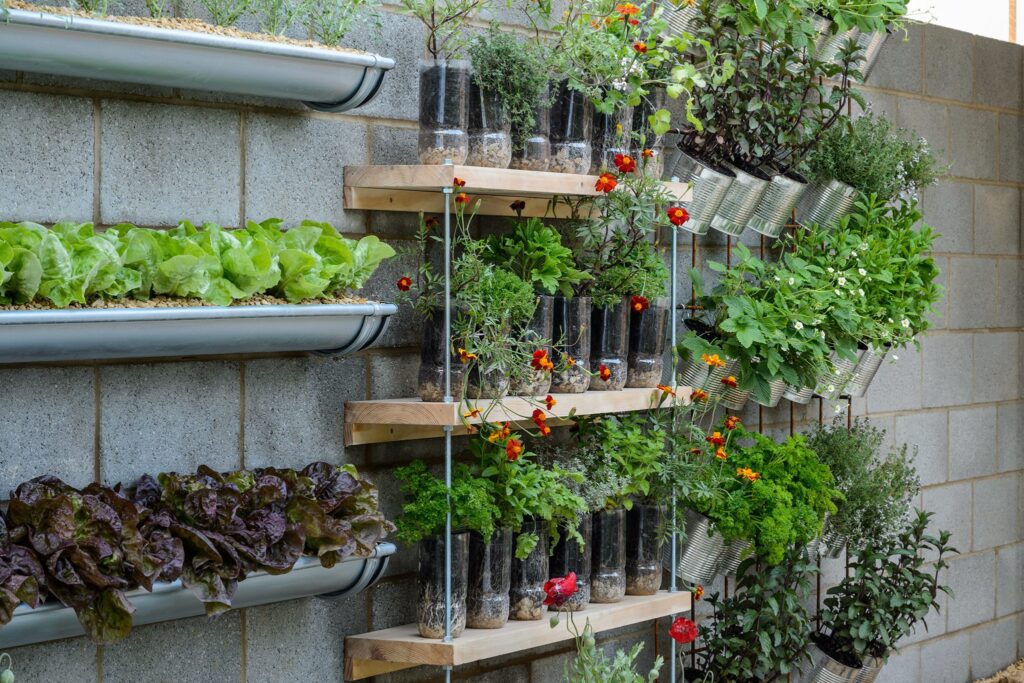
Are you living in the city and lacking a backyard for gardening? Don’t worry, balcony and patio spaces can still be perfect for growing your own food. In this article, we’ll show you how to set up an indoor garden on your balcony using creative solutions that cater to various needs and preferences.
The Benefits of Balcony Gardening
A well-designed balcony garden can provide the fresh produce you need while taking advantage of limited outdoor space. With at least 5-6 hours of direct sunlight daily, a balcony garden is a viable option for growing a variety of fruits and vegetables. However, it’s crucial to adopt organic gardening practices, as chemical pesticides can harm nearby living spaces.
Understanding Your Balcony
Before setting up your indoor garden, you need to consider the specific conditions on your balcony. This includes:
- Sunlight: Balconies that receive at least 5-6 hours of direct sunlight daily are ideal for growing a wide range of plants.
- Wind: Choose locations that provide some protection from strong winds, which can damage plants and make maintenance challenging.
- Temperature: Balconies can be exposed to extreme temperatures, especially during winter months. Consider using insulation or windbreaks to regulate the temperature.
Creative Container Options
If you want to make the most of your balcony space, consider these unconventional container options:
- Fioriere: Place them directly after the railing for maximum exposure.
- Hanging baskets: Suspend them from the ceiling or a hook.
- Shelves and ledges: Make the most of available wall space.
A Simple and Cost-Effective Solution
For a budget-friendly and eco-friendly option, try repurposing old materials like:
- Pallets: Cut them to create individual planters or build a vertical garden.
- Tubing: Use PVC pipes to create a self-watering system.
Here’s a simple tutorial on how to make your own planter using an old pallet and some creativity.
Materials Needed:
- 2 PVC tubes (20 cm diameter, 2 meters long)
- Filament wire
- Universal glue
- Terricolo
Step-by-Step Instructions:
- Cut the PVC pipes in half to create individual planters.
- Drill holes at both ends of each pipe for drainage.
- Attach the pipes to a wall using filament wire and universal glue.
- Fill the pipes with fertile soil and use them to grow spinach, strawberries, lettuce, or parsley.
Tips and Tricks:
- Make sure to choose containers that are at least 5-6 hours of direct sunlight daily.
- Keep your balcony garden clean and well-maintained to ensure optimal growth.
- Don’t forget to water regularly!
Maximizing Space with Vertical Gardens
Vertical gardens can be an effective way to make the most of limited space on your balcony. Consider using:
- Wall-mounted planters: These can hold multiple plants and add a decorative touch to your balcony.
- Hanging baskets: Suspend them from the ceiling or a hook for maximum exposure.
Tips for Building a Vertical Garden
- Choose a sturdy wall to support the weight of the plants and water.
- Use a waterproof material to protect the wall from damage.
- Make sure the planters have sufficient drainage holes to prevent waterlogged soil.
Creating a Self-Watering System
A self-watering system can help reduce watering frequency and minimize waste. Consider using:
- PVC pipes: Cut them to create individual planters or build a vertical garden.
- Universal glue: Attach the pipes to a wall for maximum exposure.
Here’s a simple tutorial on how to make your own planter using PVC pipes and some creativity.
Materials Needed:
- 2 PVC tubes (20 cm diameter, 2 meters long)
- Filament wire
- Universal glue
- Terricolo
Step-by-Step Instructions:
- Cut the PVC pipes in half to create individual planters.
- Drill holes at both ends of each pipe for drainage.
- Attach the pipes to a wall using filament wire and universal glue.
- Fill the pipes with fertile soil and use them to grow spinach, strawberries, lettuce, or parsley.
Tips and Tricks:
- Make sure to choose containers that are at least 5-6 hours of direct sunlight daily.
- Keep your balcony garden clean and well-maintained to ensure optimal growth.
- Don’t forget to water regularly!
With a little creativity and the right materials, you can create a thriving indoor garden on your balcony. Happy gardening!


