
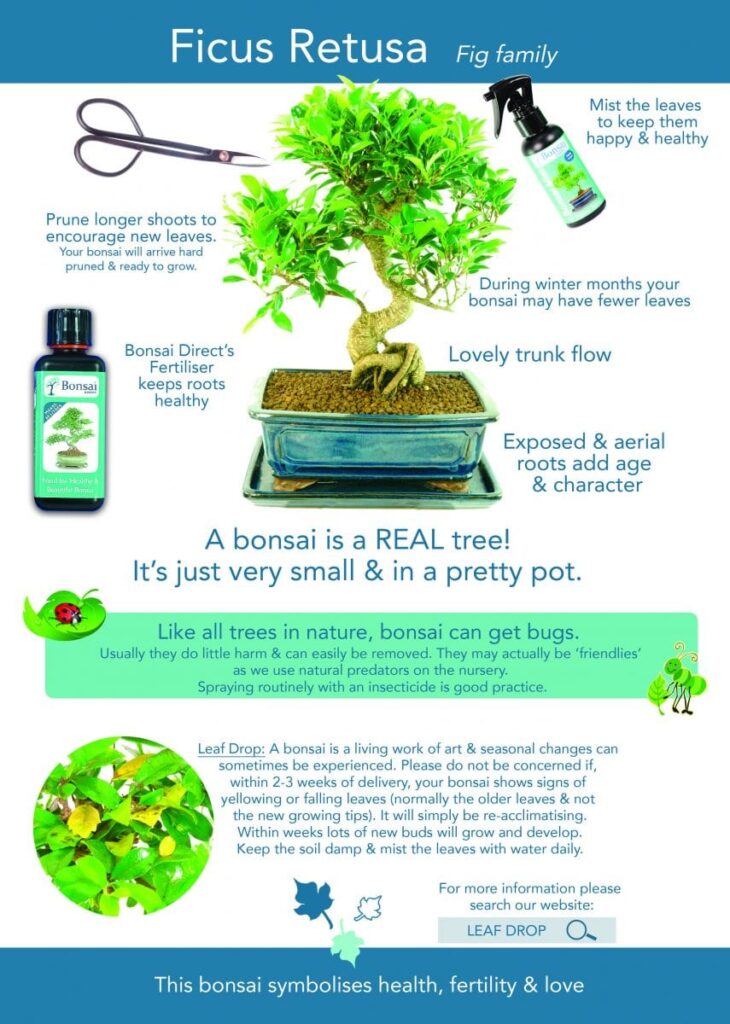
As a bonsai enthusiast, you understand the importance of proper care and maintenance to keep your miniature tree healthy and thriving. One crucial aspect of bonsai care is repotting, which can be a daunting task if not done correctly. In this article, we will delve into the world of bonsai, exploring the best practices for repotting, potting, and pruning your bonsai tree.
Understanding When to Repot Your Bonsai
Before we dive into the nitty-gritty of repotting, it’s essential to understand when to do it. Repotting your bonsai is not a task that should be taken lightly, as it can be stressful for the plant if done too frequently or too infrequently.
So, when is the right time to repot your bonsai? Here are some signs to look out for:
- The roots of your bonsai have grown beyond the confines of the pot.
- The soil has broken down and is no longer providing enough nutrients to the plant.
- The leaves or branches of your bonsai are showing signs of distress, such as yellowing or dropping.
When these signs are present, it’s time to give your bonsai a new home and some fresh soil.
The Importance of Potting
Potting is an essential part of bonsai care. Using the right potting mix can make all the difference in the health and appearance of your bonsai. A well-balanced potting mix will provide your plant with the necessary nutrients to thrive, while also preventing waterlogging or drying out.
Here are some tips for choosing the perfect potting mix:
- Look for a mix that is specifically designed for bonsai.
- Choose a mix that is rich in organic matter and has good drainage properties.
- Avoid using regular garden soil, as it can be too dense and may cause problems with waterlogging.
Pruning: The Key to Shaping Your Bonsai
Pruning is an essential part of bonsai care. By pruning your tree regularly, you can control its shape and size, promote healthy growth, and encourage blooming.
Here are some tips for pruning your bonsai:
- Use sharp, clean tools to prevent spreading diseases.
- Prune in the spring or summer when the plant is actively growing.
- Remove any dead or damaged branches to prevent disease and pests from taking hold.
- Shape your tree regularly by removing unwanted growth and promoting healthy development.
A Step-by-Step Guide to Repotting Your Bonsai
Now that we’ve covered the basics, it’s time to get our hands dirty. Here’s a step-by-step guide to repotting your bonsai:
- Prepare Your Tools: Before you start repotting, make sure you have all the necessary tools. These include a pot, soil, water, and pruning tools.
- Remove Your Bonsai from Its Pot: Carefully remove your bonsai from its pot, taking care not to damage the roots or disturb the surrounding soil.
- Liberate the Roots: Gently tease out any tangles in the roots with a fork or your fingers.
- Prune the Roots (If Necessary): If your bonsai has grown too large for its pot, you may need to prune the roots. Use a sharp knife or pruning saw to carefully trim away any dead or damaged wood.
- Prepare the New Pot: Before adding soil, make sure the new pot is clean and dry. Add a layer of gravel or small rocks at the bottom for drainage.
- Add Soil: Fill the pot with soil, leaving about an inch at the top for watering.
- Replant Your Bonsai: Carefully place your bonsai in the new pot, making sure the soil level is the same as it was before.
- Water and Secure: Water your bonsai thoroughly after repotting and secure it in place using wire or other materials if necessary.
With these tips and a little practice, you’ll be well on your way to becoming a bonsai master. Happy growing!
Frequently Asked Questions
- How often should I repot my bonsai?
- What type of potting mix should I use for my bonsai?
- Can I prune my bonsai at any time of year?
- How do I know when to prune my bonsai?
- What is the best way to secure my bonsai in its new pot after repotting?
Additional Resources
- The Bonsai Tree Society: A comprehensive resource for bonsai enthusiasts, featuring articles, videos, and tutorials on various aspects of bonsai care.
- Bonsai Magazine: A leading publication dedicated to the art and science of bonsai cultivation, offering expert advice, tips, and techniques.
- YouTube: A wealth of video resources available for free or subscription-based platforms like YouTube Premium.
By following these guidelines and seeking out additional resources, you’ll be well on your way to mastering the art of bonsai.


