
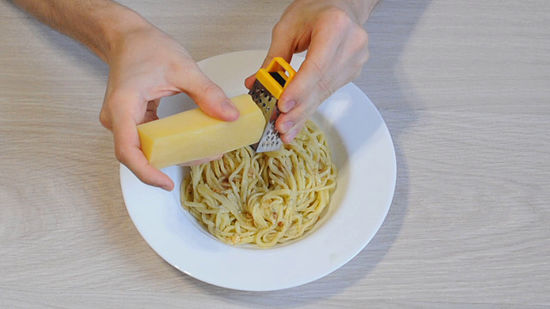
Pasta is an Italian staple that has captured the hearts of people around the world. However, it’s not just about the type of pasta; it’s also about how you season it. A simple sauce can hide the secret to flavor, and experimenting with different ingredients is key to creating a truly unforgettable dish.
The Classic Tomato and Basil Sauce
When in doubt, try making pasta with tomato and basil, a classic and easy recipe that never goes out of style. This combination may seem simple, but it’s a great way to understand if your cooking skills are really up to par. The sweetness of the tomatoes pairs perfectly with the brightness of the basil, creating a flavor profile that is both comforting and refreshing.
To make this sauce, start by sautéing some garlic in olive oil until fragrant, then add in diced tomatoes, chopped fresh basil, salt, and pepper. Let it simmer for about 15-20 minutes, stirring occasionally, until the sauce has thickened slightly. You can also add in grated parmesan cheese to give it a nice salty flavor.
Seasoning Pasta with Vegetables: A World of Possibilities
Many pasta dishes are great for vegetarians because they’re seasoned with vegetables. Let’s take an example of pesto, which has many variations. There’s the classic pistachio pesto made by blending a small handful of basil with 5 almonds, olive oil, salt, and water from cooking pasta.
Another tasty option is spinach pesto made with fresh spinach, olive oil, salt, parmesan cheese, and a little water. You can also prepare mixed vegetable sauces by combining leftover vegetables in the fridge and turning them into a fine sauce that’s cooked in a pan with garlic and olive oil and then thickened with canned tomatoes.
Alternatively, you can choose your favorite vegetables to season pasta. Popular options include zucchini and eggplant sauces, as well as pepper and tomato sauces. Some other ingredients like pori (porri), salvia or oregano also pair well with other ingredients like broccoli, anchovies, olives, garlic, and canned peas.
For example, you can make a delicious sauce by sautéing zucchini and eggplant in olive oil until tender, then adding in diced tomatoes, garlic, salt, and pepper. You can also add some grated parmesan cheese to give it a nice salty flavor.
The Meat Lovers: Sausage and Prosciutto
If you eat meat, there are many tasty sauce options. Let’s start with sausage, which can be seasoned on its own by sautéing it in a pan with two ripe tomatoes, garlic, olive oil, and red pepper flakes.
Alternatively, you can pair sausage with other ingredients like pori or mushrooms. You can also make creative sauces by pairing sausage with other ingredients like zucchini and scamorza (mushroom cheese). Sausage is also paired well with vegetables like verza (broad beans) and pori.
Another option is to use wurstel, which are mixed with canned tomatoes and other ingredients. Prosciutto, on the other hand, makes a classic sauce called pasta panna. You can also make simple sauces by combining prosciutto with parmesan cheese and peas.
The Fish Lovers: A Delicate Balance
When it comes to fish, you can make some very tasty sauces. Let’s start with salmon, which is often paired with zucchini and anchovies that are sautéed in olive oil with orange slices.
Another option is pasta with tuna, which is seasoned with cipolla rossa (red onion) and capers. You can also pair fish with other ingredients like merluzzo (cod), which is cooked with garlic, parsley, and a splash of milk.
For more advanced sauces, try making pasta with ceci e vongole (chickpeas and clams) or fagioli e cozze (beans and mussels). One of the most refined and least predictable sauce is made with sgombro (cod), pomodorini freschi (fresh tomatoes), and prezzemolo.
Getting Creative with Pasta
A touch of creativity is essential for making a good pasta dish. Here are some interesting recipe ideas to inspire you. Start with pasta alla mollica di pane, which is seasoned with a can of tomato concentrate.
Another classic option is carbonara and pasta ai formaggi (cheese pasta). You can also try other creative sauces like those made with feta cheese and spinach or melanzane fritte (fried eggplant) with mint.
Some more ideas include friggitelli sauce, carbonara with peas, salmon and tomato sauce, or a creamy sauce made with feta cheese and spinach. You can also experiment with different types of pasta shapes and fillings to create unique dishes.
For example, you can make a delicious ravioli filling by mixing cooked spinach with ricotta cheese and parmesan cheese, then wrapping it in fresh pasta sheets. Alternatively, you can try making a hearty lasagna by layering pasta sheets with meat sauce, ricotta cheese, and melted mozzarella cheese.
Understanding Pasta Shapes
Pasta shapes come in many different varieties, each with its own unique characteristics and uses. Here are some of the most common types of pasta:
- Spaghetti: Long, thin strands of pasta that are perfect for dishes like spaghetti Bolognese or carbonara.
- Fettuccine: Wide, flat noodles made from egg and flour, ideal for creamy sauces like Alfredo.
- Linguine: Long, flat noodles similar to fettuccine, but narrower and shorter.
- Penne: Tube-shaped pasta that’s great for chunky sauces or pesto.
- Rigatoni: Tubular pasta with ridged ends, perfect for hearty meat sauces.
Pasta Etiquette
When it comes to eating pasta, there are a few etiquette rules to keep in mind. Here are some tips:
- Always use a fork and knife: Pasta is typically served with a fork and knife, so make sure to use both when eating.
- Don’t overcook your pasta: Cook your pasta until it’s al dente (firm to the bite), then drain and serve.
- Add sauce at the right time: Add your pasta sauce towards the end of cooking, so that the flavors can meld together.
- Be mindful of portion sizes: Pasta dishes can be filling, so be sure to eat in moderation.
Common Mistakes to Avoid
Here are some common mistakes to avoid when making pasta:
- Overcooking pasta: This can make your pasta mushy and unappetizing. Try to cook it until it’s al dente (firm to the bite).
- Not seasoning your pasta sauce: Pasta sauce should be flavorful, so make sure to add plenty of herbs, spices, and other ingredients to give it depth.
- Using low-quality ingredients: Fresh, high-quality ingredients will make a big difference in the flavor and texture of your pasta dish.
By following these tips and experimenting with different ingredients and techniques, you can create delicious and memorable pasta dishes that will impress even the pickiest eaters.


