
Have you ever heard of cowashing or co-washing? Well, we’re here to dive deeper into this trend, with a special focus on cowashing thick hair.
In this article, we’ll explore what cowashing is, who can benefit from it, how to do it, and its advantages and disadvantages. By the end of this guide, you’ll be able to decide if cowashing is right for your locks.
What is Cowashing?
Let’s start from scratch. Cowashing, or co-lavaggio, is a technique that has been around for a while, first adopted by African American women with curly and textured hair. However, this doesn’t mean it’s only for them! Anyone with thick, curly, or wavy hair can benefit from cowashing.
But before we dive in, let’s talk about the controversies surrounding cowashing. Some people claim that if not done correctly, cowashing can lead to a buildup of greasy residue on your hair. Others say that it can even cause hair loss. We’ll get into those details later.
Who Can Use Cowashing?
So, who is eligible for this treatment? According to experts, thick, curly, and textured hair are the most suitable candidates for cowashing. If you have fine or limp hair, you might not get the best results from this technique.
However, if you experience dryness during the colder months, cowashing can be a great way to refresh your hair and restore moisture. In fact, many people swear by it as a styling tool!
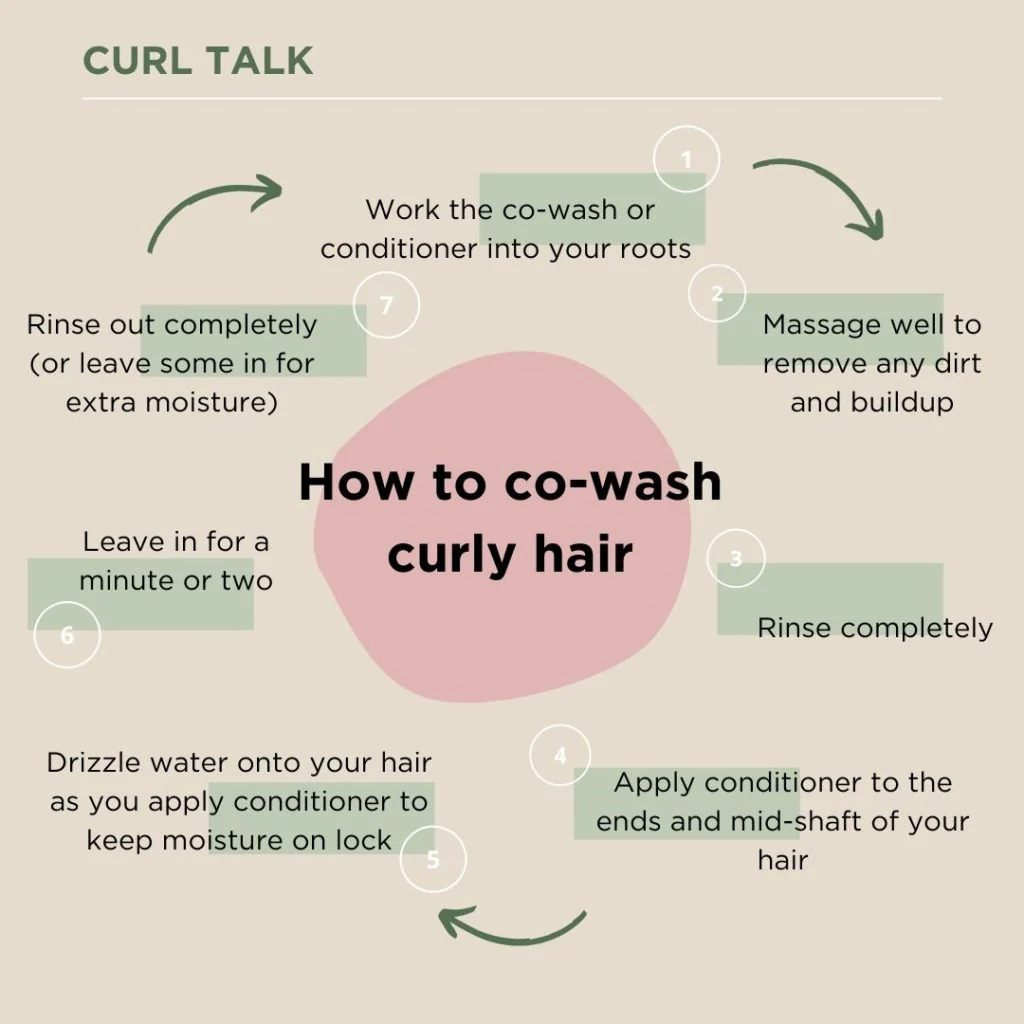
How to Do Cowashing
Now that we’ve covered who can benefit from cowashing, let’s talk about how to do it. When you first start out, you might experience some unexpected effects on your hair, like oiliness or heaviness. This is because your scalp needs time to adjust to the new treatment.
To minimize these side effects, it’s a good idea to gradually incorporate cowashing into your routine. Start by washing your hair once a week and see how your scalp responds. You can always increase the frequency later on!
Some tips for successful cowashing:
- Use a gentle shampoo or conditioner
- Apply a leave-in conditioner or oil before cowashing
- Work from roots to ends, starting with the top layer of hair
The Benefits
Now that we’ve covered what and who can benefit from cowashing, let’s talk about its advantages. Cowashing is great for:
- Moisturizing dry, damaged hair
- Adding shine and luster to dull locks
- Reducing frizz and flyaways
- Preserving the natural oils in your hair
But that’s not all! Cowashing can also help with styling, making it easier to work with your hair without leaving it looking greasy or weighed down.
The Drawbacks
While cowashing has its benefits, there are some drawbacks to consider. Some of the most common complaints include:
- Oiliness and heaviness, especially in the beginning
- Difficulty breathing through your scalp (which can affect hair growth)
- Buildup of grease if not done correctly
To minimize these side effects, it’s essential to choose the right products for cowashing.
Choosing the Right Products
The success of cowashing depends on the products you use. You’ll want to opt for:
- A gentle shampoo or conditioner
- A leave-in conditioner or oil to help lock in moisture
- A balm or cream to keep your scalp healthy and protected
Avoid using harsh chemicals or products that contain sulfates, parabens, or other irritants.
Tips for Choosing the Right Products
Here are some tips for choosing the right products for cowashing:
- Look for a shampoo that is sulfate-free and formulated for curly hair
- Choose a conditioner that moisturizes and nourishes your hair
- Select a leave-in conditioner or oil that contains natural ingredients like coconut oil, shea butter, or argan oil
- Use a balm or cream to keep your scalp healthy and protected
Product Recommendations
Here are some product recommendations for cowashing:
- Shampoo: DevaCurl Low-Poo, Ouidad Moisture Lock Shampoo, or Bounce Curl Lightweight Hydrating Shampoo
- Conditioner: TGIN Green Tea Super Moist Leave-In Conditioner, SheaMoisture Coconut & Hibiscus Curl Enhancing Smoothie, or Cantu Shea Butter Leave-In Conditioning Repair Cream
- Leave-in conditioner or oil: Moroccanoil Argan Oil, Bounce Curl Lightweight Hydrating Leave-In Conditioner, or Ouidad Moisture Lock Leave-In Conditioner
- Balm or cream: Coconut Oil, shea butter, or argan oil
Common Mistakes to Avoid
When it comes to cowashing, there are some common mistakes to avoid. Here are a few:
- Using too much product and getting greasy residue on your hair
- Not rinsing thoroughly after cowashing
- Using harsh chemicals or products that contain sulfates, parabens, or other irritants
- Not following up with a regular shampoo routine
How to Get the Best Results from Cowashing
To get the best results from cowashing, here are some tips:
- Start slow: Begin by washing your hair once a week and gradually increase the frequency as your scalp adjusts.
- Use gentle products: Choose shampoos and conditioners that are sulfate-free and formulated for curly hair.
- Apply leave-in conditioner or oil: Using a leave-in conditioner or oil can help lock in moisture and preserve natural oils in your hair.
- Avoid over-washing: Over-washing can lead to dryness, oiliness, and damage to your hair. Be gentle with your locks!
Conclusion
Cowashing is a great way to moisturize and style your hair, especially for those with thick, curly, or wavy locks. However, it’s essential to do it correctly to avoid the drawbacks. By choosing the right products, gradually incorporating cowashing into your routine, and avoiding common mistakes, you can achieve healthy, beautiful hair.
Frequently Asked Questions
- What is the best shampoo for cowashing?
The best shampoo for cowashing is one that is gentle and moisturizing. Look for a sulfate-free, paraben-free formula that won’t strip your hair of its natural oils. - Can I use cowashing if I have fine or limp hair?
While cowashing can be beneficial for thick hair, it’s not recommended for fine or limp hair. These types of hair tend to be more prone to oiliness and greasiness, which can exacerbate the problem. - Will cowashing cause hair loss?
Cowashing can potentially lead to hair loss if done incorrectly. However, this is rare and usually occurs when using harsh chemicals or products that contain sulfates, parabens, or other irritants. - Can I use cowashing on color-treated hair?
It’s best to consult with a professional stylist before using cowashing on color-treated hair. Cowashing can potentially cause the colors to fade faster, so it’s essential to take extra precautions. - How often should I do cowashing?
Start by doing cowashing once a week and gradually increase the frequency as your scalp adjusts. You can always decrease the frequency if you find that your hair becomes too oily or greasy.
We hope this guide has helped you understand the benefits and drawbacks of cowashing for thick hair. Remember to always be gentle with your locks, and don’t hesitate to reach out if you have any further questions!


