
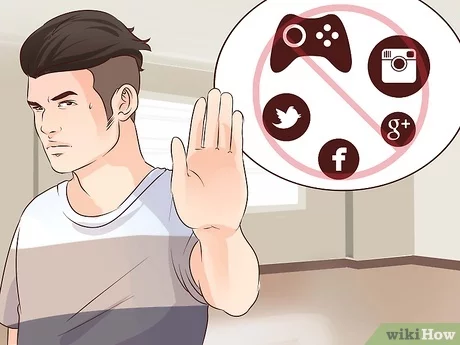
As internet users, especially those with jobs that guarantee a continuous online connection, have come to realize that excessive use of the web has led to a legitimate addiction. When we talk about internet addiction, it’s easy to superficially approach the topic without considering its similarities to classic substance addictions. Let’s delve into this phenomenon and explore ways to combat it.
Understanding Internet Addiction
Internet addiction shares many parallels with traditional substance addictions. The feeling of being unable to resist a specific behavior is followed by intense emotional tension, which precedes immediate action. Additionally, the pleasurable sensation during the behavior is accompanied by a sense of loss of control, and eventually, the persistence of the behavior despite negative consequences.
In 1997, the first study on internet addiction was conducted in Taiwan, led by Dr. Kien Ming Lo, who described it as “Internet Addiction Disorder.” Since then, research has been conducted globally to understand the causes, effects, and treatment options for this condition. The Diagnostic and Statistical Manual of Mental Disorders (DSM-5) also recognizes Internet Use Disorder as a mental health disorder.
The Social Impact of Internet Addiction
Internet addiction can lead to social isolation, causing individuals to neglect their careers and families. This addiction is antisocial in nature, estranging the individual from society and propelling them into a virtual world. The underlying factor contributing to this addiction is often seen as escapism.
In today’s digital age, it’s easy to get sucked into the vortex of social media, email, and online forums. The constant availability of information and connections can be overwhelming, leading individuals to feel an intense urge to check their devices constantly. This sense of FOMO (fear of missing out) and anxiety about being disconnected from the digital world can create a cycle of addiction.
Breaking Free from Internet Addiction
While internet addiction may seem like an insurmountable challenge, it’s essential to recognize that it’s possible to overcome. Unlike physical addictions, where a specific substance acts on the brain, internet addiction doesn’t have a clear biological mechanism at play. This means that individuals can fight against their own addiction using self-motivation.
The first step in overcoming internet addiction is to reconnect with reality. If this has already been lost, it’s crucial to reintegrate into the physical environment by engaging in outdoor activities and reducing computer usage. Using a timer for computer use can be an effective tool to monitor and control excessive internet use.
Reconnecting with Reality
Reconnecting with reality involves taking steps to re-establish a balance between online and offline life. This may involve:
- Scheduling regular breaks from the internet
- Engaging in outdoor activities, such as walking or hiking
- Spending time with friends and family
- Practicing mindfulness and meditation
By reconnecting with reality, individuals can break free from the cycle of addiction and develop a healthier relationship with technology.
Finding Balance
Excessive internet use can stem from a hectic lifestyle that leaves little room for personal gratification. It’s essential to seek fulfillment outside of screens. While the internet may have been a temporary solution for managing anxiety or apathy, it’s vital to find alternative, non-dissociative activities to increase focus on the present and surroundings.
Finding balance involves setting limits on internet use, prioritizing offline activities, and engaging in hobbies that bring joy and fulfillment. Some examples of balancing activities include:
- Reading
- Journaling
- Painting or drawing
- Cooking or baking
By finding balance, individuals can reduce their reliance on the internet and develop a healthier relationship with technology.
Rediscovering Hobbies and Passions
Internet addiction often leads individuals to neglect their hobbies and passions. Take time to reminisce about past interests and identify what once brought joy and excitement. By rekindling these activities, you can substitute problematic computer use with more constructive hobbies.
Some ways to rediscover old hobbies include:
- Re-reading books or articles on a topic of interest
- Watching movies or documentaries related to a hobby
- Practicing a musical instrument or learning a new skill
- Joining online communities or forums related to a hobby
By rediscovering old hobbies and passions, individuals can break free from the cycle of addiction and develop a more fulfilling life.
Consequences of Internet Addiction
When internet addiction starts to negatively impact daily life, it’s crucial to take action. Ignoring the issue or continuing to engage in excessive internet use can have devastating consequences on one’s overall well-being and performance.
Some potential consequences of internet addiction include:
- Social isolation
- Decreased productivity
- Negative impact on physical health
- Strained relationships with family and friends
Conclusion
Internet addiction may seem daunting, but with self-motivation and a willingness to change, it’s possible to break free. By reconnecting with reality, finding balance, rediscovering hobbies, and taking control of excessive internet use, individuals can overcome this addiction.
Remember that no addiction is ever your friend, and seeking help from professionals or support groups can be an invaluable resource in overcoming internet addiction.
Frequently Asked Questions
- Q: Can I overcome internet addiction on my own?
A: Yes, while it’s helpful to have support, overcoming internet addiction is possible through self-motivation and a willingness to change. - Q: How can I reconnect with reality if I feel disconnected from the world?
A: Start by engaging in outdoor activities, spending time with friends or family, and incorporating more physical exercise into your routine. - Q: Why is it essential to set limits on internet use?
A: Excessive internet use can lead to social isolation, decreased productivity, and negatively impact overall well-being. - Q: Can I find alternative ways to manage anxiety or apathy besides the internet?
A: Yes, there are many other coping mechanisms available, such as exercise, meditation, or talking to a therapist. - Q: How can I deal with the emotional distress caused by internet addiction?
A: Seek professional help from a therapist or counselor who can provide guidance and support throughout the recovery process. - Q: What are some signs that I may be struggling with internet addiction?
A: Signs include excessive internet use, neglect of personal relationships, decreased productivity, and negative impact on physical health. - Q: Can I use technology to my advantage in overcoming internet addiction?
A: Yes, tools such as website blockers or apps designed to track internet usage can help monitor and control excessive internet use. - Q: How long does it take to overcome internet addiction?
A: Recovery from internet addiction is a process that requires time, patience, and dedication. The length of recovery varies depending on the individual’s circumstances.
Remember, overcoming internet addiction takes courage and commitment. By understanding its causes, taking steps to reconnect with reality, finding balance, rediscovering hobbies, and using technology responsibly, you can break free from this addiction and live a healthier, more fulfilling life.


