
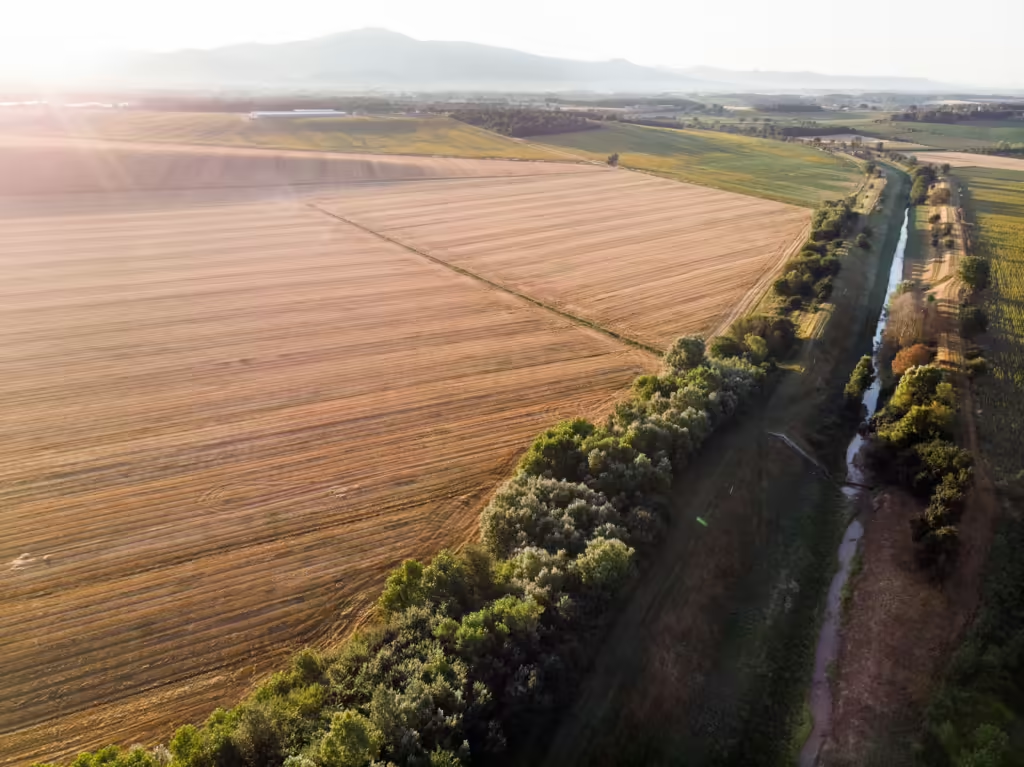
As we delve into the world of environmental issues, one problem that cannot be ignored is the persistent issue of water pollution in Italy. The country’s struggles with inadequate wastewater treatment systems have been well-documented, and it’s time to take a closer look at the challenges we face.
What are Acque Reflue?
Before we delve into the problems, let’s start with the basics. Acque reflue refers to wastewater generated from households, industries, and other sources. This water can contain pollutants, bacteria, and other contaminants that can harm the environment if not treated properly.
In Italy, acque reflue are a significant problem due to the country’s aging infrastructure and lack of investment in modernizing wastewater treatment systems. The untreated or poorly treated water is released into rivers, lakes, and coastal areas, contaminating the aquatic ecosystem and posing serious threats to human health.
The State of Wastewater Treatment in Italy
Unfortunately, according to reports from the European Commission, many Italian cities are still struggling with inadequate wastewater treatment systems. In fact, over 143 cities across the peninsula are not equipped with suitable sewage systems, putting the environment and public health at risk.
These cities lack modern wastewater treatment facilities, leading to untreated or partially treated water being released into the environment. This can cause serious environmental damage, including:
- Harm to aquatic life: The release of untreated wastewater can harm fish, plants, and other aquatic organisms, leading to a decline in biodiversity.
- Soil pollution: Wastewater containing pollutants like heavy metals and pesticides can contaminate soil, posing risks to human health and the environment.
- Waterborne diseases: Untreated or poorly treated water can contain pathogens that cause waterborne diseases, such as cholera, typhoid, and dysentery.
A History of Missed Deadlines
Italy has been facing criticism for its lack of progress in addressing these issues. The country was even referred to the European Court of Justice for failing to meet the required deadlines for wastewater treatment. This is a serious concern, as it shows that Italy is not taking adequate steps to protect its environment.
In 1998, the European Union set a deadline for municipalities with over 10,000 inhabitants to implement systems for collecting and treating wastewater. However, Italy has still not met this goal, despite being well past the deadline. This is a missed opportunity for the country to demonstrate its commitment to environmental protection.
The Current Situation: A Long Way from Improvement
Fast forward to 2012, and we find that at least 50 municipalities with over 10,000 inhabitants are still far from meeting the required standards. This is unacceptable, especially considering the impact that wastewater pollution can have on the environment and public health.
The lack of progress in addressing this issue has led to a range of consequences, including:
- Environmental degradation: The continued release of untreated or poorly treated water into rivers, lakes, and coastal areas has contributed to environmental degradation.
- Public health risks: Wastewater pollution can lead to the spread of waterborne diseases, which can have serious consequences for public health.
- Economic costs: The economic costs associated with wastewater pollution, including damage to aquatic ecosystems and loss of biodiversity, are significant.
What’s Causing the Problem?
So, what’s behind this lack of progress? There could be several factors at play. For example, many Italian cities may not have the resources or infrastructure to implement effective wastewater treatment systems. Additionally, outdated laws and regulations may be contributing to the problem.
Other potential causes include:
- Lack of investment: Insufficient investment in modernizing wastewater treatment systems has hindered efforts to address this issue.
- Inadequate regulation: Existing laws and regulations may not be sufficient to ensure that municipalities meet the required standards for wastewater treatment.
- Corruption: Corruption and lack of transparency in government agencies responsible for environmental protection can undermine efforts to address water pollution.
The Impact on Public Health
Wastewater pollution can have serious consequences for public health. If water is contaminated with pollutants and bacteria, it can lead to waterborne diseases such as cholera, typhoid, and dysentery. This is especially concerning in urban areas where access to clean water is already limited.
In Italy, the risk of waterborne diseases due to wastewater pollution is significant. According to a report by the Italian National Institute of Health, over 300 cases of waterborne disease were reported in 2019, resulting in several deaths.
A Call to Action: What Can We Do?
So, what can we do to address this pressing issue? Firstly, Italy needs to invest in modernizing its wastewater treatment systems. This includes implementing new technologies and infrastructure that can effectively remove pollutants and contaminants from the water.
Secondly, governments and local authorities need to work together to ensure that laws and regulations are enforced effectively. This may involve:
- Strengthening regulations: Updating existing laws and regulations to reflect modern standards for wastewater treatment.
- Increasing funding: Allocating sufficient funds to invest in modernizing wastewater treatment systems.
- Improving public awareness: Educating the public about the risks associated with wastewater pollution and promoting behavior change.
Conclusion
The Great Italian Water Pollution Problem is a serious issue that requires immediate attention. With over 143 cities still struggling with inadequate wastewater treatment systems, it’s clear that more needs to be done. By investing in modern infrastructure, enforcing existing laws and regulations, and promoting public awareness, we can work towards creating a cleaner, healthier environment for all.
Frequently Asked Questions
- Q: What is the current state of wastewater treatment in Italy?
A: According to reports from the European Commission, many Italian cities are still struggling with inadequate wastewater treatment systems. - Q: Why has it taken so long for Italy to implement effective wastewater treatment systems?
A: There could be several factors at play, including lack of resources, outdated laws and regulations, and a missed opportunity due to the 1998 deadline. - Q: What are the health risks associated with wastewater pollution?
A: Wastewater pollution can lead to waterborne diseases such as cholera, typhoid, and dysentery. - Q: Can individual actions make a difference in addressing this issue?
A: Yes, individuals can contribute by advocating for cleaner water policies and supporting organizations working on environmental issues. - Q: What are some solutions to improve wastewater treatment systems in Italy?
A: Investing in modern infrastructure, implementing new technologies, and enforcing existing laws and regulations are key steps towards creating a more sustainable future. - Q: Can international cooperation help address this issue?
A: Yes, collaboration between countries and organizations can lead to the sharing of best practices and expertise, ultimately helping Italy to improve its wastewater treatment systems. - Q: What role can government play in addressing this issue?
A: Governments must prioritize environmental protection by investing in infrastructure, implementing effective regulations, and enforcing existing laws. - Q: How can citizens get involved in advocating for cleaner water policies?
A: Citizens can contribute by participating in local activism efforts, contacting their representatives, and supporting organizations working on environmental issues.
Recommendations for Action
- Invest in modern infrastructure: Allocate sufficient funds to invest in modernizing wastewater treatment systems.
- Strengthen regulations: Update existing laws and regulations to reflect modern standards for wastewater treatment.
- Increase public awareness: Educate the public about the risks associated with wastewater pollution and promote behavior change.
- Encourage international cooperation: Collaborate with other countries and organizations to share best practices and expertise.
- Support grassroots activism: Encourage local communities to take action and advocate for cleaner water policies.
By working together, we can create a cleaner, healthier environment for all, and address the pressing issue of wastewater pollution in Italy once and for all.


