
Introduction
Permacultura has been gaining momentum as a powerful tool to tackle climate change and sustainable development. In Latin America, permaculture is proving to be an effective strategy to address poverty and provide low-cost sustainable development methods. This article will explore the success stories of permaculture projects in the region, highlighting their impact on food security, environmental sustainability, and community empowerment.
The Rise of Permacultura in America Latina
Permacultura has been gaining traction in Latin America, with countries like El Salvador, Cuba, Nicaragua, and Brazil embracing this sustainable approach to agriculture. The Institute of Permaculture of El Salvador (IPES) is a prime example of how permaculture can be applied to address local challenges. Through its no-profit project, IPES has worked with local farmers to develop eco-friendly systems for water purification, soil management, and crop diversification.
The IPES Project: A Model for Sustainable Agriculture
The IPES project, launched in 2005, involved the participation of over 297 farmers, 222 families, and nine communities. The project’s success was measured by the provision of fresh produce to these communities, as well as access to clean water. This model has been replicated in other parts of Latin America, demonstrating the potential for permaculture to address food insecurity and environmental degradation.
Permacultura in Cuba: A Capital City with a Green Heart
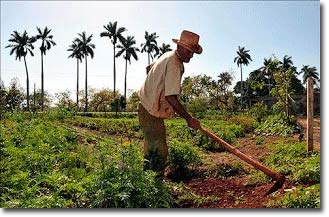
After the collapse of the Soviet Union, Cuba experienced a resurgence in agriculture, focusing on a network of small-scale farmers. Permacultura played a crucial role in this process, providing a sustainable approach to farming that prioritized soil health, biodiversity, and ecosystem services. The city of Havana, for example, is self-sufficient in terms of food production, relying heavily on permaculture techniques.
Permaculture in Nicaragua: A Decade-Long Project
Nicaragua’s Bona Fide project has been a beacon of sustainable agriculture in the region. Spanning 43 hectares on the island of Ometepe, this permaculture-inspired community is entirely self-sufficient, with its own infrastructure, nurseries, and market gardens.
Permaculture in Brazil: A Growing Movement
Brazilian institutions like IPOEMA (Institute of Permaculture, Ecovillages, and Environment) and IPEC are working to promote permaculture practices across the country. These initiatives aim to raise awareness about sustainable agriculture, reduce environmental impact, and foster community engagement.
The Benefits of Permaculture in Latin America
Permacultura has been shown to have numerous benefits in Latin America, including:
- Increased Food Security: By promoting local food systems and reducing reliance on industrial agriculture, permaculture can help ensure that communities have access to fresh, nutritious produce.
- Reduced Poverty: Permaculture-inspired projects can create jobs and stimulate local economies, helping to reduce poverty and inequality.
- Environmental Sustainability: By prioritizing regenerative practices and biodiversity, permaculture can help mitigate the environmental impacts of agriculture, such as deforestation and water pollution.
Challenges and Opportunities
While permacultura has shown great promise in Latin America, there are also challenges that need to be addressed. These include:
- Limited Access to Resources: Many communities in Latin America lack access to resources, such as land, water, and credit, which can make it difficult for them to adopt sustainable agriculture practices.
- Climate Change: Climate change is having a profound impact on Latin America, from droughts and heatwaves to floods and storms. Permaculture can help communities adapt to these changes by promoting resilient agricultural systems.
- Policy Support: Governments in Latin America need to provide policy support for permacultura-inspired projects, such as incentives for sustainable agriculture practices and funding for community development initiatives.
Conclusion
Permacultura has become a driving force for sustainability in Latin America, providing a powerful tool for addressing climate change, poverty, and food insecurity. As we look to the future, it’s essential to recognize the potential of permaculture-inspired projects like IPES, Cuba’s green heart, Nicaragua’s Bona Fide initiative, and Brazil’s growing movement.
FAQs
- What is permacultura?
Permacultura is a sustainable approach to agriculture that prioritizes regenerative practices, biodiversity, and ecosystem services. - How does permaculture impact food security?
Permacultura helps ensure access to fresh produce, while also promoting soil health and reducing environmental degradation. - What role does permaculture play in climate change mitigation?
Permaculture’s focus on regenerative agriculture can help sequester carbon, reduce synthetic fertilizers and pesticides, and promote ecosystem services. - Can permacultura be applied to urban areas?
Yes, permaculture-inspired projects have been successful in cities like Havana, providing fresh produce and promoting sustainable food systems. - How does permaculture differ from traditional agriculture?
Permaculture prioritizes biodiversity, soil health, and ecosystem services over profit-driven practices, leading to more resilient and regenerative agricultural systems.
References
- Institute of Permaculture of El Salvador (IPES). (2005). IPES Project: A Model for Sustainable Agriculture.
- Cuban Ministry of Agriculture. (2019). Cuba’s Green Heart: Permaculture in Havana.
- Bona Fide Project. (2020). Our Story: A Decade-Long Journey to Sustainability.
- IPOEMA. (2020). Permaculture in Brazil: A Growing Movement.
- IPEC. (2020). Promoting Sustainable Agriculture through Permaculture in Latin America.
By exploring the success stories of permaculture projects in Latin America, we gain a deeper understanding of this powerful tool for sustainable development. As we move forward, it’s essential to recognize the potential of permacultura-inspired initiatives and support their growth.


