
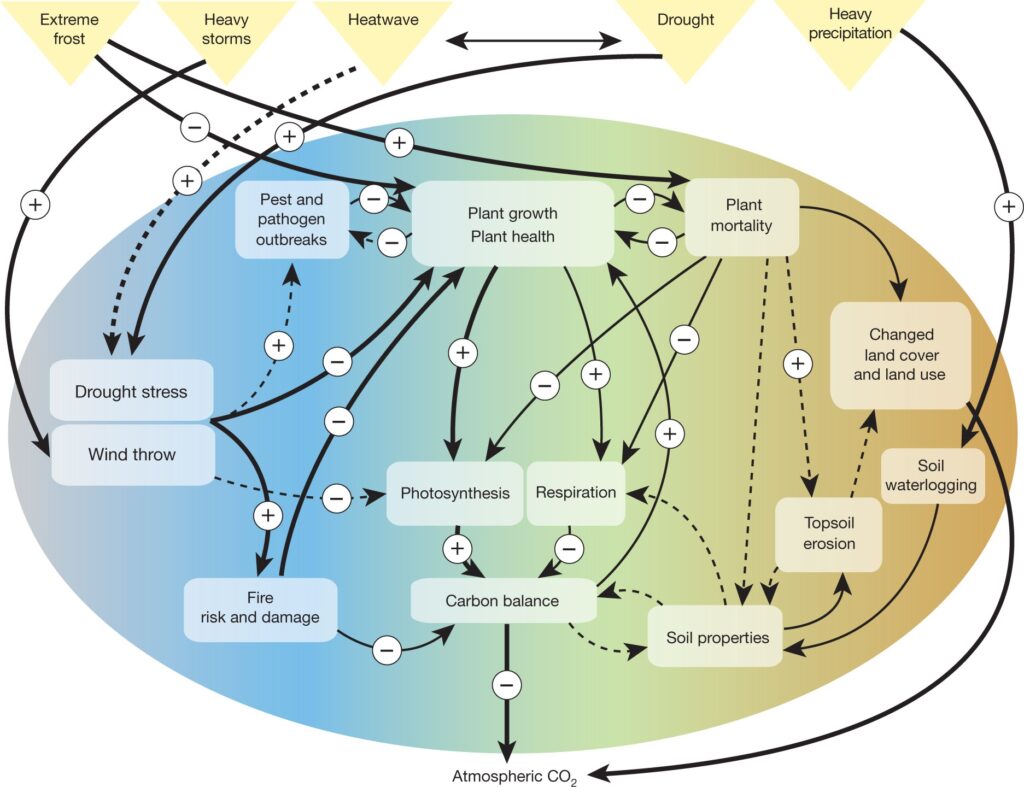
As the world grapples with the challenges of climate change, it’s essential to understand the complex relationship between human activity and the carbon cycle. The concept of “carbon metabolism” offers a comprehensive framework for examining this issue, drawing from sociology, ecology, and history.
What is Carbon Metabolism?
Carbon metabolism refers to the global process by which carbon is cycled through the environment, driven by human activities such as fossil fuel consumption, land use changes, and industrial processes. This approach allows us to analyze the impact of human actions on the Earth’s ecosystems and the accumulation of carbon in the biosphere.
The Theory of Metabolic Rift
One key concept in understanding carbon metabolism is the theory of metabolic rift, developed by John Bellamy Foster. This theory posits that capitalism has led to a breakdown in the natural cycles of exchange between humans and nature, resulting in environmental degradation and social inequality. The metabolic rift theory highlights the contradictions between human needs and the limits of the Earth’s resources.
Human Impact on the Carbon Cycle
The human impact on the carbon cycle is multifaceted and far-reaching. Our activities have led to an increase in atmospheric CO2 concentrations, which in turn drive global warming. This warming has severe consequences for ecosystems, human health, and the economy.
How Capitalism Affects Human Interactions with Nature
For centuries, capitalism has been the dominant economic system globally, shaping our relationships with nature. The pursuit of profit and growth has led to the exploitation of natural resources, resulting in environmental degradation and social injustice.
The Impact of Climate Change on Human Societies
Climate change poses significant challenges to human societies, from food and water security to migration and conflict. Understanding the connections between climate change, social systems, and economic structures is crucial for developing effective solutions.
Key Factors Contributing to Climate Change
Several factors contribute to climate change, including demographic trends, political agreements, technological development, energy policies, global inequalities in emissions, deforestation, social structures, and the appropriation of common resources. These variables interact complexly, leading to the warming of the planet.
Research Directions for Social Scientists
Social scientists are increasingly focusing on the connections between climate change, social systems, and economic structures. This research aims to identify key variables that contribute to climate change and develop strategies for mitigation and adaptation.
The Role of Human Behavior in Shaping Climate Change
Human behavior plays a significant role in shaping climate change. Individual actions, such as reducing energy consumption and using public transportation, can collectively lead to significant reductions in greenhouse gas emissions. However, individual actions alone are unlikely to solve the problem, and policies that promote behavioral change are necessary.
The Importance of Global Cooperation
Climate change is a global issue requiring international cooperation. The Paris Agreement on climate change highlights the need for collective action to limit warming to well below 2°C and pursue efforts to limit it to 1.5°C above pre-industrial levels.
The Impact of Climate Change on Human Health
Climate change has significant implications for human health, from heat-related illnesses to the spread of disease. Understanding the connections between climate change, social systems, and economic structures is crucial for developing effective solutions that prioritize public health and well-being.
Conclusion
The carbon metabolism approach offers a rich framework for understanding human impact on the Earth’s ecosystems. By analyzing the relationships between humans, nature, and economic systems, we can develop more effective solutions for addressing the challenges of climate change. As we move forward, it’s essential to prioritize sustainability, equity, and social justice in our efforts to mitigate the effects of climate change.
Frequently Asked Questions
-
What is carbon metabolism, and why is it important?
Carbon metabolism refers to the global process by which carbon is cycled through the environment, driven by human activities such as fossil fuel consumption, land use changes, and industrial processes. This approach allows us to analyze the impact of human actions on the Earth’s ecosystems and the accumulation of carbon in the biosphere. -
How does capitalism affect human interactions with nature?
Capitalism has led to the exploitation of natural resources, resulting in environmental degradation and social injustice. The pursuit of profit and growth has shaped our relationships with nature, often at the expense of sustainability and equity. -
What are some key factors contributing to climate change?
Several factors contribute to climate change, including demographic trends, political agreements, technological development, energy policies, global inequalities in emissions, deforestation, social structures, and the appropriation of common resources. -
How can social scientists contribute to understanding climate change?
Social scientists are increasingly focusing on the connections between climate change, social systems, and economic structures. This research aims to identify key variables that contribute to climate change and develop strategies for mitigation and adaptation. -
What are some potential solutions for addressing climate change?
Effective solutions require a multifaceted approach, including reducing greenhouse gas emissions, increasing energy efficiency, promoting sustainable land use practices, and developing social policies that support equity and justice. -
How can individuals contribute to mitigating climate change?
Individuals can make a difference by reducing their carbon footprint through lifestyle changes, supporting renewable energy sources, and advocating for climate policies that prioritize sustainability and equity. -
What role do economic systems play in addressing climate change?
Economic systems have a significant impact on the environment and human well-being. Shifts towards more sustainable economic models, such as green economics or circular economy, can help reduce greenhouse gas emissions and promote environmental stewardship. -
How can governments support climate change mitigation and adaptation efforts?
Governments can play a crucial role in addressing climate change by implementing policies that prioritize sustainability, equity, and social justice. This includes investing in renewable energy, promoting sustainable land use practices, and supporting research and development of new technologies.
Recommendations for Addressing Climate Change
- Transition to Renewable Energy: Transitioning to renewable energy sources such as solar and wind power can significantly reduce greenhouse gas emissions and promote sustainability.
- Increase Energy Efficiency: Increasing energy efficiency through measures such as insulation and efficient appliances can also reduce greenhouse gas emissions.
- Promote Sustainable Land Use Practices: Promoting sustainable land use practices such as reforestation and agroforestry can help sequester carbon dioxide from the atmosphere.
- Develop Social Policies that Support Equity and Justice: Developing social policies that support equity and justice, such as climate justice and human rights, is essential for promoting sustainability and addressing the disproportionate impacts of climate change on vulnerable populations.
Conclusion
The carbon metabolism approach offers a comprehensive framework for understanding human impact on the Earth’s ecosystems. By analyzing the relationships between humans, nature, and economic systems, we can develop more effective solutions for addressing the challenges of climate change. As we move forward, it’s essential to prioritize sustainability, equity, and social justice in our efforts to mitigate the effects of climate change.
References
- Foster, J. B. (2010). Marx’s ecology: Environmental philosophy and ecological economics. Monthly Review Press.
- IPCC (2014). Climate Change 2014: Synthesis Report. Contribution of Working Groups I, II and III to the Fifth Assessment Report of the Intergovernmental Panel on Climate Change.
- Rockström, J., et al. (2009). A safe operating space for humanity. Nature, 461(7263), 472-475.
- World Health Organization (2018). Quantifying the health benefits of climate change mitigation. doi: 10.1016/S1471-2496(18)30049-5
Appendix
A. List of Acronyms and Abbreviations
- CO2: Carbon dioxide
- GDP: Gross domestic product
- GHG: Greenhouse gas
- IPCC: Intergovernmental Panel on Climate Change
- OECD: Organisation for Economic Co-operation and Development
- RCP: Representative Concentration Pathway
B. Suggested Reading List
- Foster, J. B. (2010). Marx’s ecology: Environmental philosophy and ecological economics. Monthly Review Press.
- IPCC (2014). Climate Change 2014: Synthesis Report. Contribution of Working Groups I, II and III to the Fifth Assessment Report of the Intergovernmental Panel on Climate Change.
- Rockström, J., et al. (2009). A safe operating space for humanity. Nature, 461(7263), 472-475.
C. Glossary
- Carbon cycle: The process by which carbon is exchanged between the atmosphere, oceans, land, and living organisms.
- Metabolic rift: A concept developed by John Bellamy Foster to describe the breakdown in natural cycles of exchange between humans and nature, resulting in environmental degradation and social inequality.
- Sustainability: A state where human activities do not compromise the ability of future generations to meet their own needs.


