
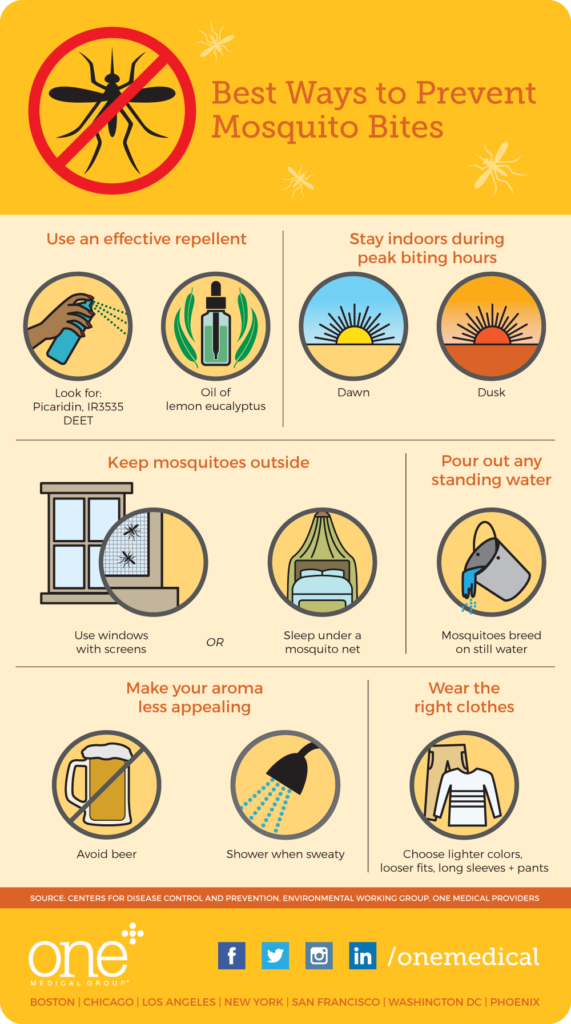
As you may have wondered, why do mosquito bites cause such intense itching? Perhaps not, but you must be curious about how to defend yourself against mosquitoes, especially those pesky fastidiously painful bites!
Contents
- Why Do Mosquito Bites Cause Itching
- Natural Repellents Against Mosquitoes
- Pain Relief from Mosquito Bites
- Best Products for Defending Against Mosquitoes
- Defending Against Mosquitoes in the Garden
- Three Species of Mosquitoes to Avoid
- Biological Warfare: Looting Mosquitoes
Why Do Mosquito Bites Cause Itching
When mosquitoes bite, they use a specialized saliva that facilitates their feeding process. This saliva triggers an allergic reaction on the skin, causing inflammation and itching. The immune system responds by releasing histamine, leading to intense itching.
The severity of mosquito bites can vary depending on several factors, such as:
- Individual sensitivity: Some people may be more prone to allergic reactions than others.
- Type of mosquito: Different species of mosquitoes have distinct saliva compositions that can cause varying degrees of irritation.
- Location and climate: Mosquito populations tend to thrive in warm, humid environments.
Natural Repellents Against Mosquitoes
To avoid attracting mosquitoes, we can use natural repellents. These substances make us “invisible” to mosquitoes, which cannot detect our heat, humidity, or carbon dioxide emissions. Some effective natural repellents include:
- Essential oils like citronella, geranium, mint, rosemary, cedarwood, lavender, and catnip
- Natural insecticides like neem oil
- Plant-based repellents like lemongrass
While these natural repellents are effective for 2-3 hours, it’s essential to be more cautious during peak mosquito hours (dawn and dusk). Additionally, if you live near a body of water or in a humid area, mosquitoes may be more prevalent.
Some popular ways to incorporate natural repellents into your daily routine include:
- Mixing oils with lotion: Blend 5-7 drops of essential oil with 1 tablespoon of coconut oil and apply it to the skin.
- Wearing clothing with built-in repellent: Look for clothing made from fabrics treated with natural insecticides.
- Using plant-based sprays: Spray plants like citronella or lemongrass around your living space.
Pain Relief from Mosquito Bites
If you’ve already been bitten by a mosquito, there are several home remedies that can provide pain relief:
- Applying the inside of a banana peel to the bite
- Using Vicks or menthol on the affected area
- Applying aloe vera for its soothing properties
- Taking antihistamines or applying topical creams
It’s worth noting that some natural remedies, like aloe vera, can be grown in your home garden.
Best Products for Defending Against Mosquitoes
If you prefer to use products specifically designed to repel mosquitoes, here are a few options:
- Chicco’s natural repellent cloth
- Roll-on anti-mosquito repellent
When choosing a product, consider the type of mosquito you’re trying to repel and your skin sensitivity.
Some popular features to look for in mosquito repellents include:
- Long-lasting protection: Look for products that provide effective protection for several hours.
- Non-toxic ingredients: Opt for products made from natural ingredients that are safe for humans and pets.
- Easy application: Choose products with simple, hassle-free application methods.
Defending Against Mosquitoes in the Garden
One way to naturally defend against mosquitoes is by planting certain species that repel them. Some effective options include:
- Calendula
- Citronella or lemongrass
- Eucriso (Hilichrysum italicum)
- Pelargonio odoroso
- Incense tree
- Canfora
- Catambra
By planting these species in your garden, you can create a natural barrier against mosquitoes.
Some tips for incorporating plants into your gardening routine include:
- Choose native plants: Opt for plants that are native to your region and well-suited to local climate conditions.
- Plant in clusters: Planting multiple species together can enhance their effectiveness as mosquito repellents.
- Keep the garden clean: Regularly remove weeds and debris to prevent mosquitoes from breeding.
Three Species of Mosquitoes to Avoid
There are several species of mosquitoes that can be particularly problematic. Here are three to watch out for:
- Culex pipiens (the most common mosquito in Italy)
- Aedes caspius (a less common but still present species)
- Aedes albopictus (also known as the tiger mosquito)
Each of these species has its unique characteristics and habits, making them more challenging to deal with.
Some key differences between these species include:
- Mosquito size: Culex pipiens is larger than Aedes caspius and Aedes albopictus.
- Feeding habits: Culex pipiens feeds on nectar, while Aedes caspius and Aedes albopictus feed on blood.
- Reproduction habits: Aedes albopictus has a unique reproductive strategy that allows it to adapt quickly to changing environments.
Biological Warfare: Looting Mosquitoes
In some areas, a biological approach is being used to combat mosquitoes. This method involves introducing natural predators of mosquitoes into the environment. Some effective predators include:
- Pipistrelli (bats)
- Fish
- Frogs
- Dragonflies
- Damselflies
By using these biological methods, you can help reduce the mosquito population in your area.
Some benefits of biological warfare against mosquitoes include:
- Non-toxic: Biological predators are non-toxic to humans and pets.
- Long-lasting effects: The impact of biological predators can be felt for months or even years after introduction.
- Cost-effective: Biological methods can be more cost-effective than chemical-based solutions.
However, there are also potential drawbacks to consider:
- Risk of unintended consequences: Introducing non-native species into the environment can have unforeseen effects on local ecosystems.
- Need for careful planning: Biological warfare requires careful planning and execution to ensure successful outcomes.
- Potential for resistance: Mosquito populations may develop resistance to biological predators over time.
Overall, understanding how to defend against mosquitoes is a complex task that requires knowledge of their biology, behavior, and ecology. By using natural repellents, pain relief remedies, and biological warfare methods, you can take steps towards creating a mosquito-free environment.


