
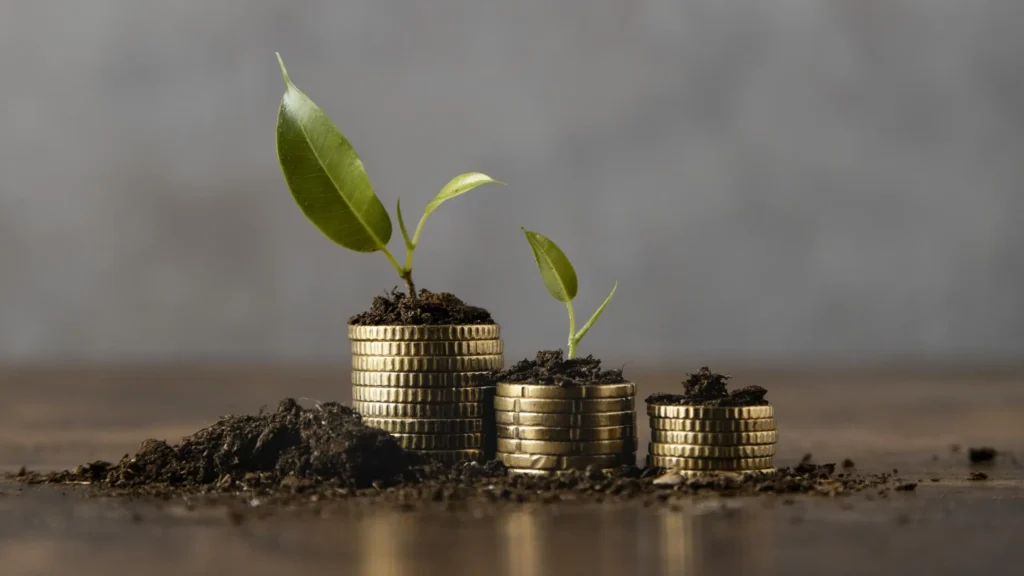
As we navigate the complexities of a rapidly changing world, it’s essential to explore new economic avenues that prioritize sustainability and environmental protection. The green economy has emerged as a promising sector, with the potential to create millions of jobs worldwide. In this article, we’ll delve into the world of green economy, exploring its growth prospects, job opportunities, and how it can revolutionize the way we live and work.
What is the Green Economy?
The green economy refers to an economic system that prioritizes environmental sustainability and social equity. It involves transitioning from fossil fuels to renewable energy sources, reducing waste and pollution, and promoting sustainable consumption patterns. The green economy also encompasses innovative technologies, products, and services that support a more circular and regenerative economy.
A Million Jobs in the Green Economy
According to recent estimates, the green economy is expected to create over a million new jobs by 2020. This growth will be driven primarily by the renewable energy sector, with solar and wind power becoming increasingly mainstream. The Italian government has already recognized this trend, investing heavily in green infrastructure and incentivizing businesses to adopt sustainable practices.
New Job Opportunities in Renewable Energy
The renewable energy sector is expected to dominate job creation in the green economy. Solar and wind power engineers will be in high demand, as well as technicians specializing in biomass and hydroelectric energy. Additionally, careers related to sustainability consulting, environmental management, and green infrastructure development are on the rise.
Green Economy Jobs Beyond Renewable Energy
While renewable energy is a significant driver of job creation, other sectors within the green economy are also experiencing growth. For example, sustainable agriculture practices will require skilled farmers, agronomists, and biotechnologists. The green chemistry sector will also need experts in materials science, environmental toxicology, and waste management.
Sustainable Agriculture: A Growing Sector
Sustainable agriculture is a crucial component of the green economy, as it involves developing crops and farming practices that minimize environmental impact while maintaining yields and quality. This sector requires skilled professionals with expertise in agronomy, plant breeding, and soil science.
Green Chemistry: Innovations for a Sustainable Future
Green chemistry is a rapidly growing field that focuses on developing sustainable products and processes that reduce waste and pollution. Materials scientists, environmental toxicologists, and waste management experts are needed to design and implement more efficient and environmentally friendly production methods.
Infrastructure Development: A Key Enabler of Green Economy Growth
The development of green infrastructure, such as solar panels, wind turbines, and energy-efficient buildings, is critical for supporting the growth of the green economy. Skilled professionals with expertise in construction, engineering, and architecture are needed to design and build these projects.
Education and Training: Preparing Workers for a Greener Future
To support the growth of the green economy, governments, businesses, and individuals must invest in education and training programs that equip workers with the skills needed for this emerging sector. These programs should focus on sustainability, environmental science, renewable energy technologies, and sustainable practices.
Governance and Policy: Creating an Enabling Environment for Sustainable Growth
To support the growth of the green economy, policymakers must create policies that prioritize environmental sustainability and social equity. Governments can incentivize businesses to adopt sustainable practices, invest in green infrastructure, and provide incentives for individuals to adopt sustainable lifestyles.
Technology and Innovation: Driving Job Creation in the Green Economy
Technology and innovation are crucial drivers of job creation in the green economy. They enable businesses to develop sustainable solutions, reduce waste and pollution, and promote environmental protection. Careers related to data analytics, artificial intelligence, and clean energy technologies are on the rise.
Case Studies: Success Stories from Around the World
Several countries have already made significant strides in transitioning to a greener economy. For example:
- The Netherlands is investing heavily in wind power and green infrastructure, creating thousands of jobs in the renewable energy sector.
- Costa Rica has set ambitious targets for reducing greenhouse gas emissions, and its government is providing incentives for businesses and individuals to adopt sustainable practices.
- Germany’s Energiewende program aims to reduce fossil fuel consumption by 80% by 2050, creating a large demand for skilled professionals in the green economy.
Challenges and Opportunities: Navigating the Transition to a Greener Economy
While the transition to a greener economy presents numerous opportunities for job creation and economic growth, it also poses significant challenges. These include:
- Climate change mitigation: Meeting global targets for reducing greenhouse gas emissions will require substantial investment in renewable energy and sustainable infrastructure.
- Inequity and access: Ensuring that the benefits of green economy growth are shared equitably among all segments of society is a pressing challenge.
- Skills mismatch: The rapid pace of technological change requires workers to develop new skills, including those related to sustainability and environmental science.
Conclusion
The green economy offers a vast array of job opportunities for individuals seeking careers in sustainability and environmental protection. With over a million new jobs expected by 2020, it’s essential to recognize the potential of this sector and support its growth. As we embark on this transition, we must prioritize education, training, innovation, and governance to ensure that we create a greener, more sustainable future for all.
Frequently Asked Questions
Q: What is the green economy?
A: The green economy refers to an economic system that prioritizes environmental sustainability and social equity. It involves transitioning from fossil fuels to renewable energy sources, reducing waste and pollution, and promoting sustainable consumption patterns.
Q: How many jobs will the green economy create by 2020?
A: According to recent estimates, the green economy is expected to create over a million new jobs by 2020.
Q: What sectors within the green economy are experiencing growth?
A: Renewable energy, sustainable agriculture, green chemistry, and infrastructure development are all experiencing significant job creation.
Q: How can individuals prepare for careers in the green economy?
A: Individuals can acquire relevant skills through education and training programs focused on sustainability, environmental science, and renewable energy technologies.
Q: What role do governments play in supporting the growth of the green economy?
A: Governments must invest in green infrastructure, promote research and development, and provide incentives for businesses to adopt sustainable practices.
Q: How can individuals contribute to a greener future?
A: Individuals can support sustainable consumption patterns, reduce their carbon footprint, and advocate for environmental policies that prioritize sustainability.


