
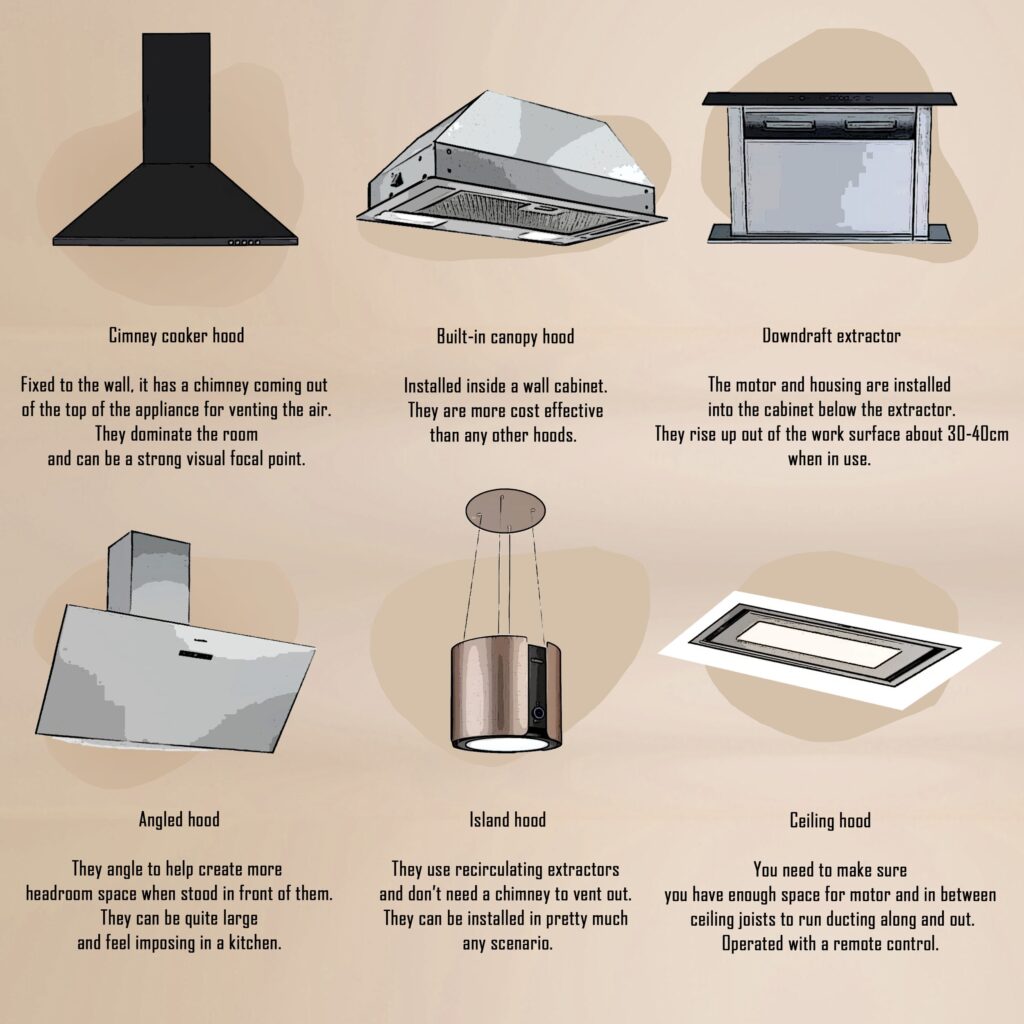
As you prepare to purchase a new exhaust fan for your kitchen, you may find yourself wondering which model is best for your specific needs. With so many options available in the market, it can be overwhelming to make an informed decision. In this article, we will explore the key factors to consider when choosing an exhaust fan, ensuring that you select the perfect one for your cooking space.
Factors to Consider When Choosing an Exhaust Fan
When selecting an exhaust fan, there are several factors to take into account. Let’s dive into the most important considerations:
1. Airflow Capacity
The airflow capacity of the exhaust fan is critical in determining its effectiveness. The airflow capacity should be measured in cubic feet per minute (CFM). To determine the correct CFM for your kitchen, consider the following guidelines:
- For kitchens up to 10 square meters, a CFM of 200-250 is sufficient.
- For kitchens between 11-15 square meters, a CFM of 220-300 is recommended.
- For larger kitchens (16-20 square meters), a CFM of 320-400 is necessary.
- For even larger kitchens (21-25 square meters), a CFM of 420-500 is required.
- For very large kitchens (26-30 square meters), a CFM of 520-600 is recommended.
2. Noise Level
The noise level of the exhaust fan is an essential consideration, especially if you plan to use it in a shared kitchen space. The noise level should be measured in decibels (dB). A noise level of:
- Up to 55 dB is ideal for quiet operation.
- Between 55-63 dB is acceptable, but may still disturb conversations or TV shows.
3. Type: Aspirating or Filtering
Exhaust fans come in two primary types: aspirating and filtering. Let’s explore each option:
Aspirating Exhaust Fans
Aspirating exhaust fans require a duct to vent outside the kitchen. They are effective at removing fumes and vapors quickly, but may not be suitable for kitchens without external ventilation.
Filtering Exhaust Fans
Filtering exhaust fans do not require a duct and instead use a filter to clean the air before releasing it back into the kitchen. However, they may not be as effective as aspirating fans in removing fumes and vapors.
4. Energy Efficiency
The energy efficiency of the exhaust fan is another crucial factor to consider. Look for models with high Energy Star ratings or those that use advanced technologies like eco-mode or low-power operation.
5. Motor Type: DC or AC
Exhaust fans can be powered by either a direct current (DC) motor or an alternating current (AC) motor. Let’s explore the benefits and drawbacks of each:
DC Motor Exhaust Fans
DC motors are known for their energy efficiency and low noise levels. They also tend to be more environmentally friendly, as they use less electricity.
AC Motor Exhaust Fans
AC motors, on the other hand, are generally cheaper and produce more power than DC motors. However, they can generate heat and may be noisier.
6. Cord Length and Placement
The length and placement of the exhaust fan’s cord are also important considerations:
- Choose a cord that is long enough to reach from the wall outlet to the fan.
- Ensure that the cord is not tangled or pinched, as this can reduce airflow efficiency.
7. Mounting Options: Wall-Mounted or Ceiling-Mounted
Exhaust fans come in both wall-mounted and ceiling-mounted designs. Let’s explore each option:
Wall-Mounted Exhaust Fans
Wall-mounted exhaust fans are ideal for kitchens with limited ceiling space. They also tend to be more discreet, making them a great choice for smaller kitchens.
Ceiling-Mounted Exhaust Fans
Ceiling-mounted exhaust fans offer better airflow efficiency and are generally quieter than wall-mounted fans. However, they may require more space in the kitchen and can be more expensive.
8. Additional Features: Timer and Light
Some exhaust fans come with additional features like timers and lights:
- Timers allow you to set the fan’s operation schedule, ensuring that it runs only when needed.
- Lights can provide ambient lighting for your kitchen, while also illuminating cooking surfaces.
Choosing the Right Exhaust Fan for Your Kitchen
Now that we’ve covered the essential factors, let’s summarize the key considerations:
- Airflow capacity: Measure your kitchen’s square footage and choose a fan with a CFM rating suitable for its size.
- Noise level: Opt for a quiet fan if you plan to use it in a shared space or during meals.
- Type: Aspirating or filtering: Consider the pros and cons of each type based on your kitchen setup and needs.
- Energy efficiency: Look for models with high Energy Star ratings or those that use advanced technologies like eco-mode or low-power operation.
By following these guidelines, you’ll be well-equipped to choose the perfect exhaust fan for your kitchen. Remember to consider your specific needs and preferences when making your selection.
Frequently Asked Questions
Here are some common questions people ask about choosing an exhaust fan:
- What is the average CFM rating for a standard kitchen?
The average CFM rating for a standard kitchen is around 200-250. - Can I use an aspirating fan in a small kitchen?
No, aspirating fans require a duct and may not be suitable for small kitchens without external ventilation. - How do I measure the noise level of an exhaust fan?
You can measure the noise level using a decibel meter or by consulting the manufacturer’s specifications. -
What is the difference between a filtering and aspirating fan?
Aspirating fans remove fumes and vapors directly, while filtering fans clean the air before releasing it back into the kitchen. -
How often should I replace my exhaust fan filter?
It’s recommended to replace your exhaust fan filter every 3-6 months or as needed. -
Can I install an exhaust fan myself?
Yes, you can install an exhaust fan yourself if you have basic DIY skills and follow the manufacturer’s instructions. -
How do I choose the right CFM rating for my kitchen?
To choose the right CFM rating for your kitchen, measure its square footage and consult the guidelines provided in this article. -
Can I use a more powerful fan to remove fumes and vapors?
Yes, using a more powerful fan can help remove fumes and vapors more effectively, but be aware that it may increase energy consumption. -
What is the difference between DC and AC motors?
DC motors are generally quieter and more environmentally friendly than AC motors. - Can I use an exhaust fan in a commercial kitchen?
Yes, you can use an exhaust fan in a commercial kitchen, but ensure that it meets local health and safety regulations.
By following these tips and considering your specific needs, you’ll find the perfect exhaust fan for your kitchen. Remember to always follow manufacturer instructions when installing and maintaining your exhaust fan.


