
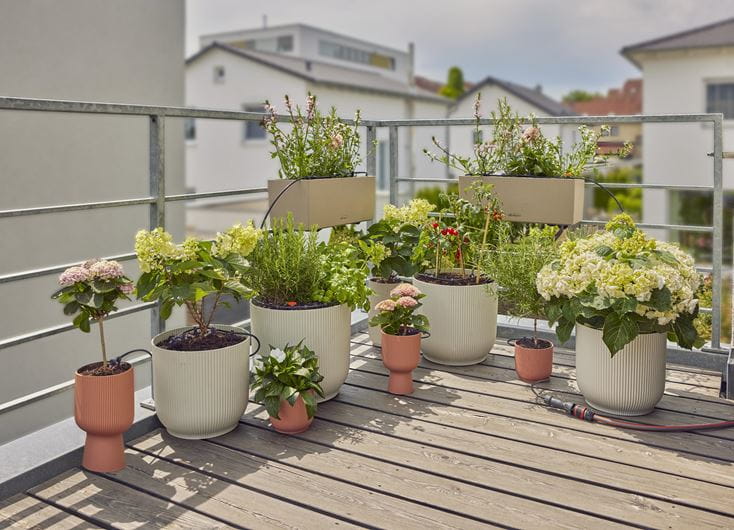
As a balcony dweller, you likely spend a significant amount of time tending to your plants. One crucial aspect of plant care is watering them correctly. However, with limited space and specific soil conditions, finding the right irrigation system can be challenging. Fortunately, there are DIY solutions available that can provide you with optimal results.
Understanding the Importance of Watering Your Plants on a Balcony
Watering your plants on a balcony is essential for their health and growth. Without adequate water supply, plants may suffer from:
- Drought stress: Prolonged periods without water can cause plants to become weak and vulnerable to pests and diseases.
- Overwatering: On the other hand, excessive watering can lead to root rot and other problems.
- Nutrient deficiencies: Plants need a balanced diet of nutrients to grow and thrive.
The Benefits of a Gravity-Fed Irrigation System
A gravity-fed irrigation system is an excellent choice for balcony gardens. This type of system delivers water directly to the roots of the plants, minimizing waste and runoff. The benefits include:
- Reduced water consumption: By using a gravity-fed system, you can eliminate excess water that might otherwise be wasted.
- Less maintenance: With fewer moving parts and no need for complex plumbing, gravity-fed systems are generally easier to maintain.
- Improved plant health: Watering your plants directly at the roots can lead to healthier, more vibrant growth.
Designing Your Custom Irrigation System
To create a custom irrigation system, you’ll need the following components:
- Tubing: Choose a tubing material that suits your climate and budget. A 1/2″ tubing section is recommended for most balcony gardens.
- Fittings: Select fittings that match your chosen tubing type. Fittings can include tees, elbows, and couplers to connect multiple plants or sections of tubing.
- Emitters: These are the small nozzles at the end of the tubing that distribute water evenly throughout the planting area. Choose emitters specifically designed for low-pressure systems like gravity-fed irrigation.
- Timer and Central Control System: A timer allows you to program your irrigation schedule, ensuring consistent watering without overwatering.
Best Practices for Designing a Custom Irrigation System
When designing your custom irrigation system:
- Consider Your Climate: Adjust the size of your tubing and fittings according to local climate conditions. For example, if you live in an area with high winds, use more robust tubing.
- Plan Ahead: Measure your balcony garden carefully before purchasing materials to avoid unnecessary purchases or waste.
Tips for Successful Balcony Gardening
To ensure a thriving balcony garden:
- Water plants during the cooler part of the day (morning or late afternoon) to minimize evaporation and reduce stress on plants.
- Monitor plant water needs based on factors like soil type, temperature, and light exposure.
- Keep your irrigation system in good working order by checking for leaks and cleaning emitters regularly.
Frequently Asked Questions
Here are some common questions about building a custom irrigation system:
- What kind of tubing should I use?
- Consider factors like climate, plant type, and budget when selecting the right tubing material.
- How often should I water my plants on a balcony?
- Adjust watering frequency based on local climate conditions, soil type, and light exposure.
- What’s the best way to secure emitters in place?
- Use a gentle touch when securing emitters to avoid damaging tubing or plants.
Common Mistakes to Avoid
When building your custom irrigation system:
- Don’t overcomplicate the design: Simplify your design by focusing on essential components and avoiding unnecessary complexity.
- Avoid using old or damaged materials: Replace worn-out parts with new ones to ensure optimal performance and prevent accidents.
By following these guidelines, you can create an effective irrigation system for your balcony garden, ensuring healthy growth and maximizing your gardening experience.


