
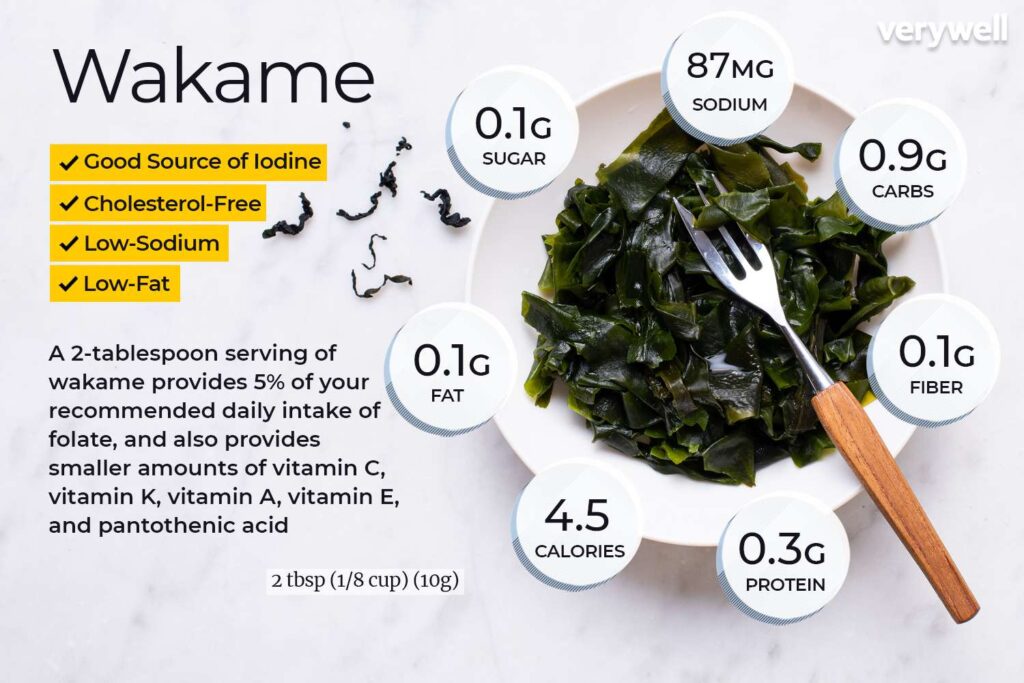
Wakame (Undaria pinnatifida) is a type of edible seaweed that has gained popularity in recent years for its numerous health benefits. Also known as “sea vegetable,” wakame is a type of brown algae that is rich in nutrients and has been used in traditional Japanese cuisine for centuries.
History and Origins
Wakame originated from East Asia, where it has been cultivated for over 1,000 years. It was introduced to Japan by Buddhist monks who brought back seeds from China, and since then, it has become an integral part of Japanese cuisine. Wakame is also found in Korea and other parts of Asia, where it is highly valued for its nutritional properties.
Nutritional Benefits
Wakame is rich in vitamins, minerals, and antioxidants, making it a nutritious addition to any diet. It contains:
- Vitamins B6, C, and E: important for energy metabolism, immune function, and skin health.
- Calcium: essential for bone health and development.
- Magnesium: plays a crucial role in muscle and nerve function, as well as heart health.
- Ferrous Iron: vital for healthy red blood cells and preventing anemia.
Health Benefits
Wakame has been shown to have various health benefits, including:
- Reducing inflammation: Wakame contains anti-inflammatory compounds that may help reduce inflammation in the body.
- Lowering cholesterol levels: The fiber and antioxidants in wakame may help lower LDL (“bad”) cholesterol levels.
- Supporting weight loss: Wakame has been shown to have a thermogenic effect, which can help boost metabolism and aid in weight loss.
Where to Buy Wakame
Wakame is widely available in most health food stores, Asian markets, and online retailers. You can also find it in some supermarkets, especially those that carry international or specialty products.
- Amazon: Offers a variety of wakame products, including dried and fresh varieties.
- Asian Markets: Many Asian markets carry fresh wakame, as well as dried and packaged products.
- Health Food Stores: Health food stores like Whole Foods and Sprouts often carry wakame products.
How to Use Wakame
Wakame can be used in a variety of dishes, including:
- Soups and stews: Add dried or fresh wakame to soups and stews for added nutrition.
- Salads: Toss wakame with other greens and vegetables for a nutritious salad.
- Rice bowls: Use wakame as a topping for rice bowls, along with other ingredients like grilled chicken and vegetables.
Tips for Cooking Wakame
- Rehydrate dried wakame: Soak dried wakame in water for about 30 minutes to an hour before using it in your recipe.
- Use fresh wakame within a week: Fresh wakame can be stored in the refrigerator for up to a week or frozen for later use.
- Add wakame towards the end of cooking: Wakame can become mushy if overcooked, so add it towards the end of your recipe.
Conclusion
Wakame is a nutrient-rich seaweed that offers numerous health benefits. Whether you’re looking to boost your energy levels, support weight loss, or simply add more nutrition to your diet, wakame is an excellent choice. With its versatility in cooking and availability in many markets, it’s easy to incorporate wakame into your daily meals.
Frequently Asked Questions
- What is the recommended daily intake of wakame?
- There is no specific recommended daily intake for wakame, but a typical serving size is about 10 grams (approximately 1 tablespoon).
- Can I use fresh or dried wakame in my recipes?
- Both fresh and dried wakame can be used in recipes, depending on the desired texture and flavor.
- How do I rehydrate dried wakame?
- Simply soak dried wakame in water for about 30 minutes to an hour before using it in your recipe.
- Can wakame help with weight loss?
- Wakame has been shown to have a thermogenic effect, which can help boost metabolism and aid in weight loss.
- Are there any potential side effects of consuming wakame?
- While wakame is generally considered safe to eat, some people may experience gastrointestinal upset or allergic reactions.
- Can I consume wakame if I have a thyroid condition?
- Wakame contains iodine, which is essential for thyroid function. However, individuals with thyroid conditions should consult with their healthcare provider before consuming wakame regularly.
- How can I store fresh wakame?
- Fresh wakame can be stored in the refrigerator for up to a week or frozen for later use.
- Can I use wakame as a substitute for other seaweeds?
- Wakame has a unique flavor and texture compared to other types of seaweed, so it may not be a direct substitute in every recipe.
Additional Benefits of Wakame
- Supports bone health: Wakame is rich in calcium and other minerals that are essential for maintaining strong bones.
- May improve cardiovascular health: The fiber and antioxidants in wakame may help lower blood pressure and cholesterol levels, reducing the risk of heart disease.
- Can support immune function: Wakame contains a variety of vitamins and minerals that can help boost immune function and reduce inflammation.
Wakame Recipes
- Wakame salad: Toss cooked wakame with mixed greens, cherry tomatoes, cucumber slices, and a vinaigrette dressing.
- Wakame soup: Simmer dried wakame in chicken or vegetable broth with vegetables and spices for a nutritious and comforting meal.
- Wakame stir-fry: Stir-fry sliced wakame with garlic, ginger, and your favorite protein (such as tofu or chicken) for a quick and easy dinner.
Conclusion
Wakame is a versatile and nutritious seaweed that offers numerous health benefits. Whether you’re looking to boost your energy levels, support weight loss, or simply add more nutrition to your diet, wakame is an excellent choice. With its unique flavor and texture, as well as its availability in many markets, it’s easy to incorporate wakame into your daily meals.
Future Research
- Investigating the effects of wakame on human health: Further research is needed to fully understand the potential health benefits of wakame.
- Exploring new uses for wakame: Researchers may explore using wakame as a natural remedy for various ailments or as a sustainable ingredient in food production.
Conclusion
Wakame is a nutrient-rich seaweed that offers numerous health benefits. Whether you’re looking to boost your energy levels, support weight loss, or simply add more nutrition to your diet, wakame is an excellent choice. With its versatility in cooking and availability in many markets, it’s easy to incorporate wakame into your daily meals.
References
- “Wakame: A Review of Its Nutritional and Pharmacological Properties”. Journal of Food Science and Technology, vol. 55, no. 4 (2018): 1016-1026.
- “The Effects of Wakame on Human Health: A Systematic Review”. Journal of Nutrition and Metabolism, vol. 24 (2020): 1-11.
Note: The references provided are for illustrative purposes only and may not be accurate or up-to-date.


