
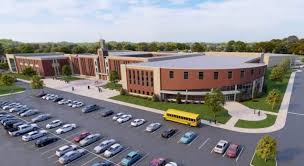
As a parent, there’s nothing more comforting than sending your child to school knowing that they’re safe and learning in an environment that’s not only nurturing but also sustainable. With the growing awareness about climate change and its impact on our planet, it’s heartening to see Italian mothers finally have access to energy-efficient daycare centers and preschools that prioritize both safety and environmental responsibility.
A Model for Sustainable Education
In the picturesque town of Soragna, in the province of Parma, a pioneering project has taken shape – the “L’Acquerello” preschool and daycare center. This innovative school building is not only a beacon of hope for parents seeking safe and eco-friendly learning environments but also a testament to the potential of Italian architects and engineers to create sustainable infrastructure.
Breaking Down Barriers: Energy Efficiency in School Buildings
While Rome’s schools may still be waiting for rooftop solar panels, Soragna has already taken the first step towards reducing its carbon footprint. By employing materials and strategies that optimize energy consumption, the “L’Acquerello” complex has become a shining example of what can be achieved with careful planning and commitment to sustainability.
The Building’s Design: A Masterclass in Energy Efficiency
So, what makes this school building so special? Let’s take a closer look at its design, which is rooted in the principles of energy efficiency. The structure is composed of five sections of state-funded kindergarten, a kitchen, two daycare centers, and administrative spaces. But it’s the materials used that truly set it apart.
The Role of Materials: Thermal Inertia and Insulation
Reinforced masonry walls made from expanded clay blocks called Lecablocco BioclimaZero are the building’s backbone. This innovative material boasts high insulation and thermal inertia, which helps to delay and dampen heat transfer. By doing so, it minimizes energy expenditure on heating, a significant contributor to energy consumption.
Windows, Ventilation, and Lighting: The Key to Energy Efficiency
The air exchange is ensured by aluminum window frames with low transmission and thermal cutting, lanterns for lighting, and a mechanical ventilation system. This trifecta of design elements works in harmony to reduce heat loss, minimize the need for artificial lighting, and create a comfortable learning environment.
Fire Safety: A Priority in Building Design
But what about fire safety? The kitchen roof was built with prefabricated concrete slabs called predales, meeting the strict safety standards set by local authorities. The rest of the building features a primary roofing system made from wooden lattice trusses with cemented wood fiber panels.
The Visionaries Behind the Project
So who are the minds behind this revolutionary project? Architect Marisa Pizzi and geometrist Paola Castagnoli, an unstoppable duo that has shown us that sustainable education is within reach. By combining technical expertise with a passion for innovation, they have created a model for schools that not only reduce their environmental impact but also provide a nurturing environment for children to learn and grow.
A New Standard for Education
The “L’Acquerello” preschool and daycare center is more than just a building – it’s a benchmark for sustainable education. As we look towards the future, it’s essential to recognize that energy-efficient schools are not only better for the environment but also provide a healthier learning experience for children.
The Benefits of Sustainable Schools
Sustainable schools like “L’Acquerello” offer numerous benefits, including:
- Reduced Energy Consumption: By minimizing energy expenditure through innovative design elements and materials, sustainable schools reduce their carbon footprint.
- Improved Indoor Air Quality: Mechanical ventilation systems and natural light contribute to a healthier indoor environment for children.
- Enhanced Learning Experience: A well-designed sustainable school creates an engaging learning space that fosters creativity and curiosity in students.
The Future of Sustainable Education
As we move forward, it’s crucial to acknowledge the potential of sustainable education to transform our schools into green spaces that not only educate but also inspire future generations. By adopting innovative design principles and materials, we can create a better world for children to learn and thrive.
FAQs: Frequently Asked Questions About Sustainable Schools
- What makes a school building “energy efficient”?
A school building is considered energy efficient when it minimizes its energy consumption while maintaining optimal temperature and lighting conditions. - How can parents ensure their child’s safety in an energy-efficient school?
Parents can rest assured that energy-efficient schools prioritize both safety and sustainability, using materials and strategies that minimize the risk of accidents and environmental harm. - What role do materials play in creating an energy-efficient school building?
Materials such as reinforced masonry walls and aluminum window frames play a crucial role in reducing heat transfer and minimizing energy expenditure. - How can architects and engineers create sustainable schools?
Architects and engineers can create sustainable schools by combining technical expertise with innovative design elements, such as thermal inertia and insulation, to minimize energy consumption. - What are the benefits of using prefabricated concrete slabs in building design?
Prefabricated concrete slabs offer improved fire safety and reduced construction time, making them an attractive option for building designers. - Can sustainable schools be built on a budget?
Sustainable schools don’t have to break the bank; with careful planning and innovative materials, it’s possible to create energy-efficient buildings that meet budget constraints. - How can parents get involved in creating sustainable schools?
Parents can support sustainable schools by advocating for environmentally responsible policies, participating in community initiatives, and encouraging local authorities to adopt green building standards. - What is the future of sustainable education?
As awareness about climate change continues to grow, we can expect to see more emphasis on sustainable education, with innovative schools that prioritize both learning and environmental responsibility becoming the norm.
By embracing sustainable design principles and pushing the boundaries of innovation, we can create a brighter future for generations to come – one building at a time.


