
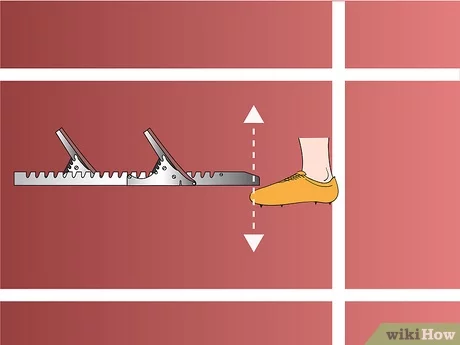
As an athlete competing in sprint and sprint relay events, you’ve likely noticed the starting blocks used by athletes at the beginning of each race. But have you ever wondered what these blocks are, how they work, and why they’re essential for success? In this article, we’ll delve into the world of starting blocks, exploring their history, characteristics, usage, and benefits.
A Brief History of Starting Blocks
The first recorded use of starting blocks dates back to 1888 when American athlete Charles Sherrill pioneered the concept of starting in a crouched position. Initially met with ridicule, this innovative approach eventually gained acceptance and became a standard practice in track and field events. Over time, the design and materials used for starting blocks have evolved, but their fundamental purpose remains the same: to provide athletes with a stable platform for explosive acceleration.
Characteristics of a Starting Block
A traditional starting block consists of two flat surfaces (called “piastre”) attached to a metal frame in the shape of a letter T. The blocks are designed to be adjustable, allowing for fine-tuning of the foot position and pressure on the ground. The ideal height and angle of the piastres can significantly impact an athlete’s performance. To ensure optimal use, it’s essential to understand how to properly set up and adjust your starting block.
How to Set Up a Starting Block
To begin using a starting block effectively, you’ll need to follow these steps:
- Position the blocks: Place the front block approximately 2 feet from the start line, while the back block is about 3 feet away.
- Adjust the height: Lower both blocks to their lowest setting to achieve proper alignment and balance.
- Practice your technique: Mastering the starting position requires practice and patience. Focus on maintaining a stable stance with your hands on the blocks, engaging your core, and keeping your eyes focused on the horizon.
Tips for Optimal Performance
To maximize your performance when using a starting block:
- Start with proper form: Make sure to enter the blocks in a controlled manner, keeping your hands and feet secure.
- Relax your muscles: Tension can hinder your acceleration. Practice relaxation techniques to stay loose and focused.
- Practice under pressure: Simulate racing conditions to build mental toughness and develop strategies for success.
Faux Starts: What You Need to Know
In competitive track and field events, a false start is considered any movement or reaction by an athlete before the starting gun fires. If you’re deemed guilty of a faux start, your team may be penalized, potentially affecting your chances of winning. To avoid this, pay close attention to the countdown timer and timing devices used in most competitions.
Starting Blocks for Swimming
Believe it or not, starting blocks are also used by swimmers in various events. These platforms allow athletes to gain an initial boost of speed as they launch themselves off the blocks into the water. To be eligible for swimming events, these blocks must meet specific standards set by FINA (Fédération Internationale de Natation).
Conclusion
Starting blocks have become a crucial component of track and field events, particularly sprint and relay competitions. By understanding their history, characteristics, and proper use, athletes can gain a significant edge over their competitors. Whether you’re an experienced athlete or just starting out, incorporating starting blocks into your training routine can help take your performance to the next level.
Frequently Asked Questions
- Q: How do I choose the right starting block for my needs?
A: Consider factors such as height, material, and adjustability when selecting a starting block. - Q: Can I use a starting block for other sports or activities?
A: While some athletes have adapted starting blocks for other sports like cycling and rowing, their primary purpose remains in track and field events. - Q: Are there any safety precautions to consider when using a starting block?
A: Always wear proper footwear and ensure the surface beneath you is clear of obstacles or hazards. - Q: Can I use a starting block for swimming without violating FINA regulations?
A: Familiarize yourself with FINA’s rules and guidelines regarding starting blocks in swimming events to avoid any potential issues. - Q: How do I maintain my starting block after frequent use?
A: Regularly clean and lubricate the surface to ensure optimal performance and extend its lifespan. - Q: Can a starting block be used for warm-up exercises or stretching routines?
A: Yes, but only as part of your overall warm-up routine. Be sure to gradually increase intensity and focus on proper technique throughout the process.
Starting blocks have been an integral part of track and field events for over a century, offering athletes a critical advantage in terms of speed and agility. By grasping their characteristics, how to use them effectively, and potential limitations, you can optimize your performance and take home victory at your next competition.


