
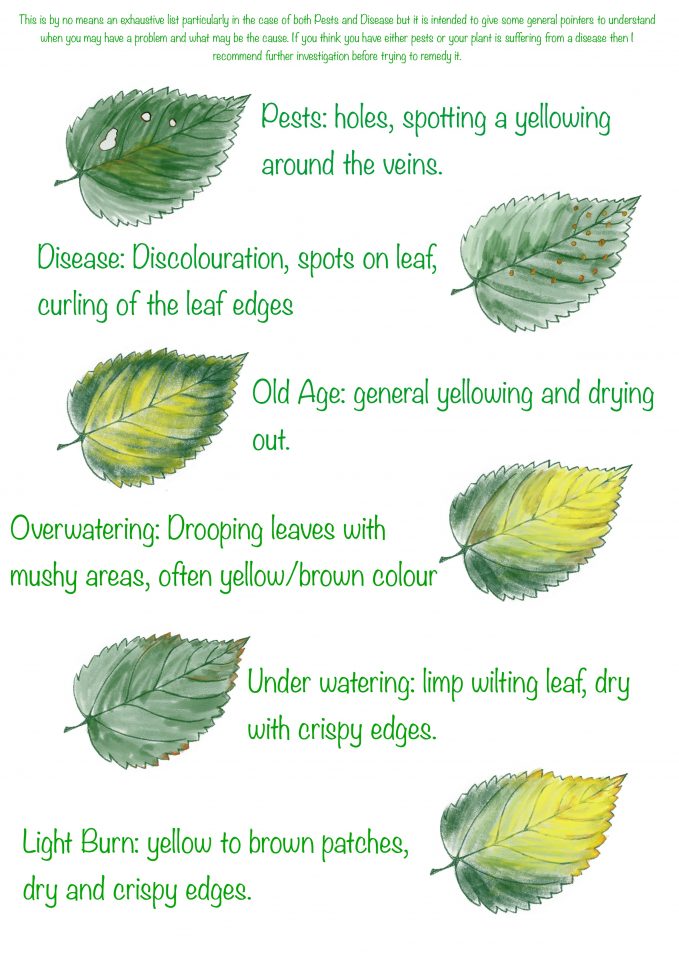
As a plant enthusiast, there’s nothing more disheartening than witnessing your beloved foliage turn yellow and wilt away. It’s a common problem that affects even the most diligent and loving plant parents. But what causes this distressing phenomenon? And is there anything you can do to prevent it?
In this article, we’ll delve into the world of yellowed leaves, exploring the various reasons behind this unsightly change in your plants’ appearance. We’ll also provide practical tips on how to identify and address these issues, ensuring your plants remain healthy and thriving.
The Stress of Humidity
One of the primary reasons for yellowed leaves is stress caused by humidity. Overwatering or underwatering can lead to this issue, as plants struggle to adapt to their environment. To check if your plant is experiencing too much water, inspect the soil in the pot. If it’s dry and cracked, it may be a sign that your plant needs more moisture.
On the other hand, if the soil feels wet or soggy, your plant might be receiving too much water. Consider repotting the plant on a saucer to ensure excess water can drain away, allowing roots to absorb moisture properly.
To mitigate humidity-related stress, you can take several steps:
- Check the humidity levels in your home using a hygrometer.
- Increase ventilation by opening windows or using an exhaust fan.
- Avoid placing plants near heating vents or radiators, which can dry out the air.
- Mist your plant regularly to maintain optimal moisture levels.
The Dilemma of Irrigation
Overirrigation and underwatering are two sides of the same coin when it comes to yellowed leaves. Excessive watering can cause foliage to turn yellow, just as insufficient moisture can lead to wilted, crispy leaves. By finding a balance in your watering schedule, you’ll give your plant the best chance to thrive.
To determine if your plant needs more water, follow these steps:
- Stick your finger into the soil up to the first knuckle.
- If the soil feels dry, it’s time to water.
- Water thoroughly until water drains out of the bottom of the pot.
- Check the soil moisture daily during the growing season.
The Power of Light
Another common reason for yellowed leaves is inadequate light exposure. Photosynthesis increases with increased light, which means plants require sufficient illumination to stay healthy. If your plant is not receiving enough light, consider relocating it to a brighter spot or using grow lights to supplement natural light.
Some factors to keep in mind when selecting the right light source include:
- Intensity: Different types of lighting have varying intensities, ranging from low to high.
- Spectrum: Some plants prefer specific wavelengths or color temperatures.
- Duration: Plants require a certain amount of light per day for optimal growth.
Temperature Tipping Points
Temperature fluctuations can also contribute to yellowed leaves. Prolonged exposure to extreme temperatures can cause damage to foliage. Keep an eye out for temperature-sensitive plants and adjust their environment accordingly to prevent stress.
Some signs of temperature-related stress include:
- Leaf drop: Leaves may fall off the plant due to excessive heat or cold.
- Discoloration: Leaves may turn yellow, brown, or gray due to temperature fluctuations.
- Slow growth: Plants may experience stunted growth if exposed to extreme temperatures.
Nutrient Imbalances
Lastly, nutrient imbalances can lead to yellowed leaves. Overfertilization or underfertilization can result in a range of problems, including leaf discoloration. Always use fertilizers at the recommended dosage on the label to avoid harming your plant.
Some common signs of nutrient-related stress include:
- Yellowing: Leaves may turn yellow due to an imbalance of essential nutrients.
- Brown tips: Brown tips on leaves can indicate a lack of nitrogen or magnesium.
- Slow growth: Plants may experience stunted growth if exposed to inadequate nutrient levels.
In addition to these common causes, other factors like fungal infections, poor soil quality, and pest infestations can also contribute to yellowed leaves. If you’re struggling to resolve this issue, consult with a gardening expert for personalized guidance.
Conclusion
Yellowed leaves can be a frustrating and puzzling problem, but understanding the underlying causes can help you take effective action. By adjusting your watering schedule, providing sufficient light, regulating temperature, and maintaining optimal nutrient levels, you’ll give your plant the best chance to recover and thrive.
By following these tips and being mindful of common pitfalls, you can create a nurturing environment for your plants to flourish.


