
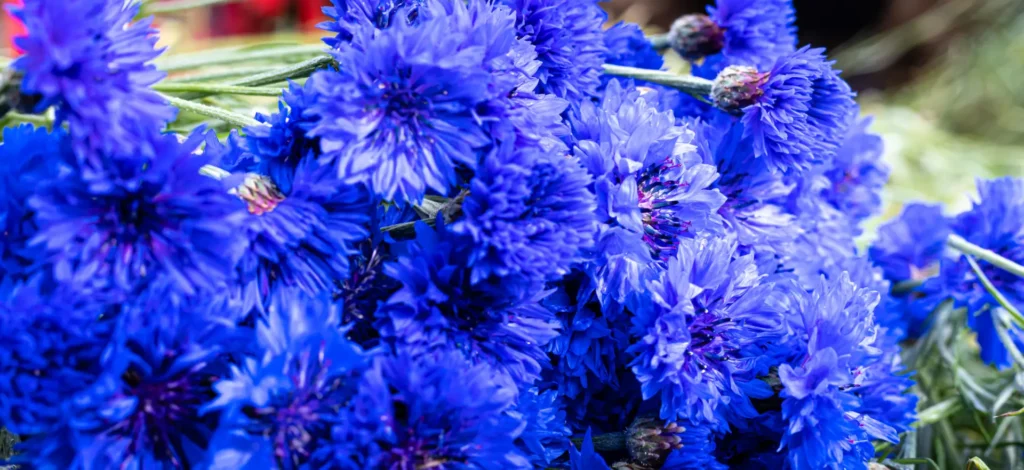
Introduction
The fiordaliso, also known as Cyanus segetum, is an herbaceous annual plant belonging to the Asteraceae family. Its unique properties and benefits have made it a popular natural remedy in many parts of the world. In this article, we will delve into the history, growth habits, and medicinal uses of the fiordaliso.
What is Fiordaliso?
The fiordaliso is a herbaceous plant that can reach an altitude between 20 and 90 cm. It has an erect form with its flower axis while the entire plant is covered by a soft, white down. The plant’s scientific name reveals much about its characteristics: segetum comes from Latin “seges” meaning grain field, referring to the habitat most commonly of the fiordaliso.
History and Habitat
In the past, the fiordaliso was very common in Italy. Today, although its habitat in our country is favorable for growth, this flower is quite rare and has been classified as at risk of extinction. The fiordaliso grows spontaneously on fields of cereals, meadows, uncultivated lands, and in rare cases also on roadsides.
Cultivation
In many parts of the world, such as North America and Australia, the fiordaliso is appreciated as an ornamental plant. Cultivating the fiordaliso is easy; in Italy, not many users start these fiordaliso cultivations to exploit its beneficial properties. The fiordaliso grows well on poor soils with low nutritional values. It prefers a dry soil. The calcareous soil is ideal for cultivating the fiordaliso.
Properties and Benefits
Thanks to its beneficial properties, the fiordaliso is often used as a natural remedy against various diseases, especially to improve eye and mucous health conditions. The flowers of the fiordaliso are rich in active principles with decongestant and anti-inflammatory properties, making them useful for creating natural remedies against colds and inflammation in the eyes.
Medicinal Uses
The properties of the fiordaliso are popular worldwide and are used as an ingredient for preparing the monastic tea. The flowers are rich in flavonoids and other substances with antioxidant power, a very useful property for skin well-being. An infusion of fiordaliso can counteract oral cavity inflammation and throat infections.
Infusions and Decoctions
If you intend to detoxify your body or counteract cellulite, you can use infusions based on fiordaliso flowers: diuretic properties help eliminate accumulated toxins in the organism. The same infusion can be useful against diarrhea or gastrointestinal problems. For skin health (to fight wrinkles, create cicatrizzante packs or depurative) you can use packs made from fiordaliso flowers.
Preparation and Usage
To benefit from its depurative properties on the skin (against acne, eczema, boils, impurities…) we recommend leaving the flowers in contact with water for 5 hours before filtering. The same decoction is useful as a toner to clean the face, to refresh the body, against dark circles or as a natural remedy against fungal infections.
Skin Care and Cosmetic Uses
The fiordaliso can be used in various ways for skin care and cosmetic purposes:
- Face Packs: Mix dried and crushed fiordaliso flowers with water to create a soothing face mask. Apply the mixture to your skin, leave it on for 15-20 minutes, and rinse off.
- Cicatrizzante Pack: Combine fresh or dried fiordaliso flowers with olive oil to create a cicatrizzante pack. This can help reduce inflammation and promote healing in acne-prone areas.
- Skin Toner: Steep dried or crushed fiordaliso flowers in water to create a soothing toner. Use this as a final step in your skincare routine to balance the skin’s pH.
Eye Care and Inflammation
The fiordaliso is also beneficial for eye care and inflammation:
- Inflammation Relief: Steep dried or crushed fiordaliso flowers in hot water to create a natural tea. Drink this as a warm compress to soothe and reduce inflammation around the eyes.
- Eye Soother: Mix fresh or dried fiordaliso flowers with cooled green tea to create an eye soother. This can help reduce redness, swelling, and irritation.
Conclusion
In conclusion, the fiordaliso is a unique herbaceous plant with hidden properties that have been used for centuries in traditional medicine. Its medicinal uses and benefits make it an excellent addition to any natural health regimen.
Frequently Asked Questions (FAQs)
Q: What is the scientific name of the fiordaliso?
A: The scientific name of the fiordaliso is Cyanus segetum.
Q: Where can I find the fiordaliso in nature?
A: The fiordaliso grows spontaneously on fields of cereals, meadows, uncultivated lands, and in rare cases also on roadsides.
Q: Can I cultivate the fiordaliso in my garden?
A: Yes, cultivating the fiordaliso is easy; it prefers a dry soil and can grow well on poor soils with low nutritional values.
Q: What are the medicinal uses of the fiordaliso?
A: The properties of the fiordaliso are popular worldwide and are used as an ingredient for preparing the monastic tea. It is also used to improve eye and mucous health conditions, counteract colds and inflammation in the eyes, and aid treatment against orchitis.
Q: How do I prepare a decoction of fiordaliso?
A: To prepare a decoction of fiordaliso, you need 250 grams of fresh flowers of fiordaliso and 500 ml of distilled water. Bring the liquid to boil, let it cool for 15 minutes, and then filter.
Q: Can I use the fiordaliso as a natural remedy against fungal infections?
A: Yes, an infusion of fiordaliso can be useful as a natural remedy against fungal infections.
Q: Is the fiordaliso safe to use during pregnancy or breastfeeding?
A: There is no conclusive evidence that suggests the fiordaliso is safe to use during pregnancy or breastfeeding. Consult with a healthcare professional before using any herbal remedy.
Q: Can I consume the entire plant, including the roots and seeds?
A: No, it’s not recommended to consume the entire plant, including the roots and seeds. The flowers are the most beneficial part of the plant for medicinal purposes.


