
As pet owners, we’ve all encountered a dog that’s more anxious than enthusiastic. Whether it’s excessive barking, pacing, or even aggression, an anxious dog can be a challenging companion to manage. In this article, we’ll delve into the world of canine anxiety and explore practical tips on how to calm your furry friend.
Understanding Canine Anxiety
Canine anxiety is a common issue that can stem from various factors, including genetics, environmental influences, and past experiences. Recognizing the signs of anxiety in dogs is crucial, as it allows us to take the necessary steps to address the problem before it escalates into more severe issues.
Some common indicators of canine anxiety include:
- Excessive barking or whining
- Pacing or restlessness
- Aggression towards people or other animals
- Inability to relax or calm down in certain situations
The Importance of Early Intervention
If left unaddressed, canine anxiety can lead to a range of problems, including:
- Health issues such as digestive problems, skin allergies, and increased heart rate
- Strained relationships between dogs and their owners
- Decreased quality of life for both the dog and its owner
Establishing a Calming Environment
Creating a calm and comfortable environment is essential in helping to reduce canine anxiety. Here are some strategies to consider:
- Provide a Safe Space: Create a quiet area where your dog can retreat when feeling overwhelmed.
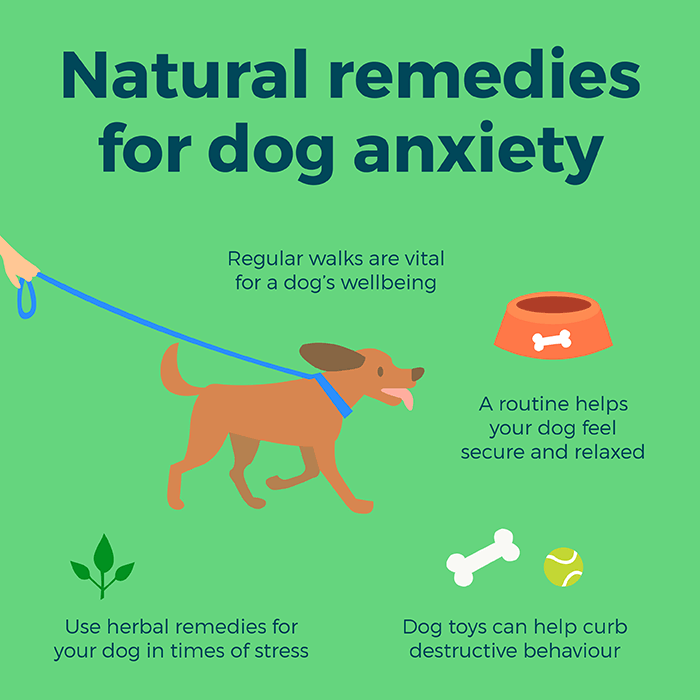
- Establish a Daily Routine: Develop a consistent daily schedule, including regular feeding times, exercise, and play.
- Use Calming Aids: Utilize pheromone diffusers, calming music specifically designed for dogs, or calming treats to create a peaceful atmosphere.
Calming Techniques for Dogs
In addition to creating a calm environment, there are several techniques you can use to calm your anxious dog:
- Gentle Touch: Gentle petting or stroking can be incredibly soothing for dogs.
- Positive Reinforcement: Rewarding your dog with treats and praise when they exhibit calm behavior can help reinforce positive habits.
- Exercise: Regular exercise can help reduce anxiety in dogs, especially those with excess energy.
Managing Anxiety Triggers
Identifying and managing anxiety triggers is crucial in reducing your dog’s stress levels. Here are some common triggers to consider:
- Noise Phobias: Loud noises, such as thunderstorms or fireworks, can trigger anxiety.
- Separation Anxiety: Leaving your dog alone for extended periods can cause separation anxiety.
- Social Anxiety: Interacting with other dogs or people can cause social anxiety.
Seeking Professional Help
If you’re struggling to manage your dog’s anxiety or if the problem persists despite your best efforts, it may be time to seek professional help from a veterinarian, animal behaviorist, or certified dog trainer. They can provide personalized guidance and support to help you develop an effective plan for calming your anxious dog.
Conclusion
Canine anxiety is a common issue that can have significant impacts on both the dog’s quality of life and its relationship with its owner. By understanding the signs of anxiety, establishing a calm environment, using calming techniques, managing anxiety triggers, and seeking professional help when needed, you can take the first steps towards reducing your dog’s stress levels and improving their overall well-being.
Frequently Asked Questions
- What are some common causes of canine anxiety?
- Genetics
- Environmental influences (e.g., loud noises, changes in household dynamics)
- Past experiences (e.g., trauma, abuse)
- How can I tell if my dog is anxious?
- Look for signs such as excessive barking, pacing, or aggression
- Consult with a veterinarian or certified animal behaviorist to rule out underlying medical issues
- What are some effective ways to calm an anxious dog?
- Establish a calm environment
- Use calming aids such as pheromone diffusers or calming music specifically designed for dogs
- Engage in gentle touch, positive reinforcement, and regular exercise


