
Introduction
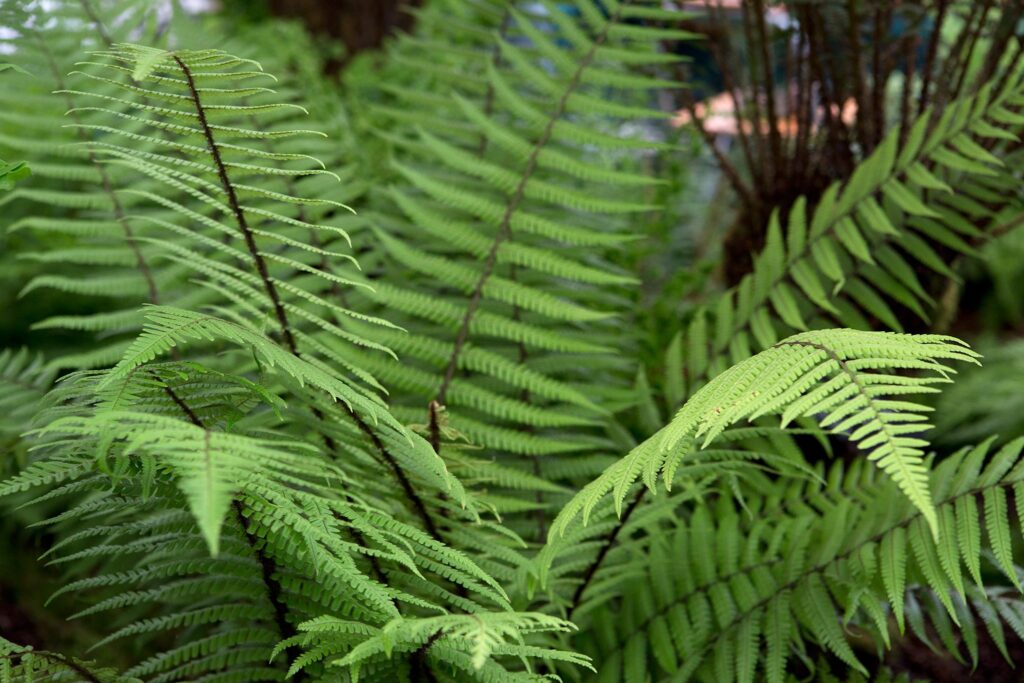
Ferns are one of the most beautiful and versatile houseplants you can have. With over 12,000 species to choose from, there’s a fern that suits every taste and climate. In this article, we’ll explore the different types of ferns, how to care for them, and provide tips on where to grow them.
Types of Ferns
Ferns are typically divided into two categories: tree ferns and ground ferns. Tree ferns are the most common type of fern and are ideal for indoor growing. They have a large root system that allows them to absorb moisture from the air, making them perfect for low-maintenance care.
Ground ferns, on the other hand, are more delicate and require more attention. They’re often used as decorative elements in gardens and can be quite challenging to care for.
Choosing the Right Fern for Your Home or Garden
When selecting a fern, it’s essential to consider your lifestyle and the environment you want to create. If you’re new to fern care, start with an easy-to-grow species like the Boston fern or the maidenhair fern.
Some popular types of ferns include:
- Autumn fern (Dryopteris erythrosora): A hardy, adaptable species that thrives in shady conditions.
- Maidenhair fern (Adiantum spp.): A delicate, lacy fern with bright green fronds.
- Staghorn fern (Platycerium spp.): A unique, tree-like fern with shaggy fronds.
These are just a few examples of the many types of ferns available. Research different species to find the one that best fits your needs.
Caring for Your Fern
Ferns require specific conditions to thrive:
- Temperature: Keep your fern in an area with consistent temperatures between 15°C and 25°C (59°F to 77°F).
- Humidity: Maintain high humidity levels, ideally above 50%.
- Lighting: Provide bright, indirect light for most fern species. Avoid direct sunlight, which can cause fronds to become scorched.
Water your fern regularly, but make sure the soil isn’t waterlogged. Overwatering is a common mistake that can lead to root rot and other problems.
Growing Ferns Outdoors
If you live in an area with mild winters, you can grow ferns outdoors year-round. Choose a location with partial shade and well-draining soil.
Some popular outdoor fern species include:
- Asplenium trichomanes: A hardy, adaptable fern that thrives in shady conditions.
- Cyrtomium falcatum: A delicate, lacy fern with bright green fronds.
Keep your ferns away from harsh winds and extreme temperatures. Regularly fertilize and prune your outdoor ferns to maintain their health and appearance.
Common Fern Problems
If you’re new to fern care, be prepared for some common problems:
- Fern drop: If your fern is losing leaves, check the soil moisture and adjust your watering schedule accordingly.
- Pest infestation: Inspect your fern regularly for pests like spider mites, mealybugs, or scale.
- Root rot: Avoid overwatering, which can cause roots to rot.
Conclusion
Growing ferns is a rewarding experience that requires attention to detail and patience. By understanding the different types of ferns, how to care for them, and where to grow them, you’ll be well on your way to becoming a fern expert.
Whether you’re a seasoned gardener or a beginner, these tips will help you create a lush, vibrant environment that showcases the beauty of ferns.
Frequently Asked Questions
Q: What is the best way to water my fern?
A: Water your fern when the top inch of soil feels dry to the touch. Avoid getting water on the leaves or crown of the plant.
Q: How often should I fertilize my fern?
A: Fertilize your fern during the growing season (spring and summer) with a balanced, water-soluble fertilizer.
Q: Can I grow ferns in pots indoors?
A: Yes, but make sure to choose a large pot with good drainage holes. Keep the soil consistently moist, but not waterlogged.
Q: How do I propagate ferns?
A: You can propagate ferns by division or spores. Research specific propagation methods for your species of interest.
Q: Can I grow ferns in cold climates?
A: Some fern species can tolerate frost, while others are more sensitive to temperature drops. Research the hardiness zone for your area and choose a species that’s suitable.
Q: How do I treat pests on my fern?
A: Inspect your fern regularly for signs of pests. Use insecticidal soap or neem oil to treat infestations.
Advanced Fern Care Techniques
For experienced fern enthusiasts, there are several advanced techniques to take your fern care to the next level:
- Misting: Regularly misting your fern with a fine spray can help maintain high humidity levels and prevent pest infestations.
- Pruning: Prune your fern regularly to maintain its shape and promote healthy growth. Remove any dead or damaged fronds to prevent disease.
- Repotting: Repot your fern every 1-2 years to provide fresh soil and a larger pot if necessary.
By incorporating these advanced techniques into your fern care routine, you’ll be able to create a lush, vibrant environment that showcases the beauty of ferns.
Common Mistakes to Avoid
When growing ferns, there are several common mistakes to avoid:
- Overwatering: Avoid overwatering, which can lead to root rot and other problems.
- Underwatering: Don’t underwater your fern, as this can cause stress and damage the plant.
- Lack of humidity: Maintain high humidity levels by misting or placing the fern on a tray filled with water and pebbles.
By avoiding these common mistakes, you’ll be able to create a thriving environment for your ferns.
Conclusion
Growing ferns is a rewarding experience that requires attention to detail and patience. By understanding the different types of ferns, how to care for them, and where to grow them, you’ll be well on your way to becoming a fern expert.
Whether you’re a seasoned gardener or a beginner, these tips will help you create a lush, vibrant environment that showcases the beauty of ferns.
With proper care and attention, your ferns will thrive and provide years of enjoyment and beauty.


