
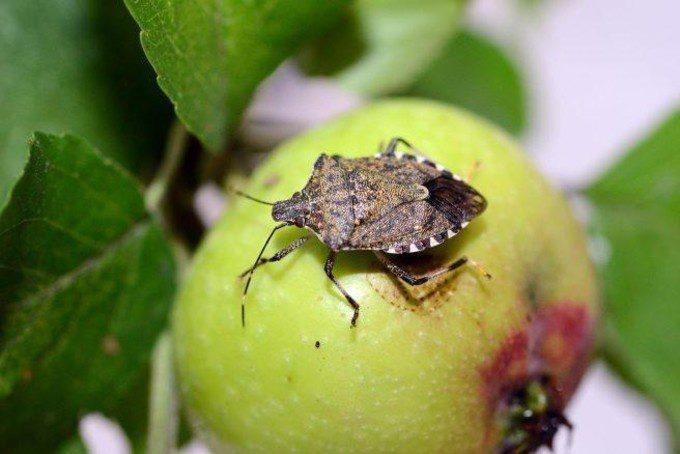
As the world’s most valuable fruit-producing region, Italy is facing an unprecedented threat to its agricultural industry. The Asian cimex, also known as the marmorated stink bug, has been wreaking havoc on Italian fruited crops, particularly pears and apples. Originating from China and Japan, this insect pest has spread rapidly throughout Europe, with Italy being one of the hardest-hit countries.
The Asian Cimex: Origins and Spread
The Asian cimex, scientifically known as Halyomorpha halys Stål, belongs to the family Pentatomidae. It was accidentally introduced to North America in the late 1990s and has since become a significant pest, causing damage to fruit crops, including apples, pears, and other vegetables. Italy became infested with this insect in September 2012, primarily affecting the Emilia-Romagna region.
The Asian cimex is believed to have been introduced through international trade and travel, particularly via cargo ships and airplanes. Its spread has been facilitated by the increasing movement of goods across borders, making it a significant concern for global agricultural industries.
Characteristics of the Asian Cimex
If you’re not an avid entomologist or farmer, chances are you have no idea what an Asian cimex looks like. These insects are known for their distinctive shield-shaped body, approximately 1.7 cm long, with a mottled coloration resembling marble or bronze. The color patterns can vary, featuring shades of brown, gray, white, and black, along with blue-gray markings. Its antennae have striking stripes that make this insect easy to recognize.
In addition to its distinctive appearance, the Asian cimex is also known for its unique feeding behavior. These insects feed on plant sap, creating a sticky substance called honeydew that can attract other insects and promote the growth of sooty mold. This fungus can further reduce crop yields and lower fruit quality.
Impact on Italian Fruit Crops
The Asian cimex is a highly polyphagous pest that feeds on various crops, including fruits and vegetables. In Italy, its primary target has been pears, with significant losses reported in the Emilia-Romagna region alone. The pest’s feeding behavior involves piercing the plant tissues with its beak-like mouthpart, creating perforations that can lead to necrosis and fruit spoilage.
In addition to the direct damage caused by the Asian cimex, this insect also plays a role in the spread of disease among plants. Its saliva contains enzymes that can break down cell walls, making it easier for other pathogens to infect the plant. This secondary effect can further reduce crop yields and lower fruit quality.
The Cimex Asiatica: A Growing Concern
As Italy continues to struggle with this insect pest, concerns are growing about the long-term consequences on the country’s agricultural industry. The Asian cimex is not limited to fruits; it also attacks vegetables like peaches, melons, and lettuce, making it a formidable threat to the nation’s food security.
If left unchecked, the Asian cimex infestation could have significant economic and environmental implications for Italy. The loss of fruit production would impact local economies, particularly in regions where agriculture is a major industry. Additionally, the spread of this pest could also lead to the loss of biodiversity, as it can outcompete native insects and other animals for resources.
Combatting the Cimex Asiatica
Italy, along with other European countries, is exploring various methods to combat this pest. One approach involves introducing natural enemies, such as the Trissolcus japonicus, a parasitic wasp native to Japan, which has proven successful in controlling cimex asiatica populations in China.
Another strategy being employed by farmers and researchers is the use of integrated pest management (IPM) techniques. IPM involves combining multiple control methods, including cultural practices, biological controls, and chemical controls, to manage pest populations. By adopting this approach, farmers can reduce their reliance on pesticides and minimize harm to beneficial insects and other non-target species.
Fruit and Vegetable Damage
The Asian cimex is known for its ability to infest homes, particularly during autumn and winter months. As temperatures drop, these insects enter a state of dormancy, only to emerge when warmer temperatures return. They are attracted to light sources and can be found indoors, making them difficult to control.
In addition to its home-dwelling behavior, the Asian cimex is also capable of infesting agricultural crops. Its eggs can survive for several months outdoors, allowing the pest to persist even in areas with mild winters. This ability to overwinter makes it challenging to control the population, as many control methods are ineffective during this time.
Financial Impact
The financial impact of the cimex asiatica is significant, with estimated losses exceeding €350 million in Italy alone. If left unchecked, these losses could escalate rapidly, posing a major threat to the country’s agricultural sector.
To put these numbers into perspective, consider that the Italian fruit industry produces over 20% of Europe’s fruit supply. The loss of even a small percentage of this production would have significant economic implications for local farmers and consumers alike.
Conclusion
In conclusion, the Asian cimex represents a significant threat to Italian fruit crops and overall food security. Understanding its origins, characteristics, and behavior is crucial for developing effective control strategies. By introducing natural enemies, improving agricultural practices, and raising awareness among farmers and consumers, we can work towards mitigating the impact of this devastating insect pest.
Recommendations
To combat the Asian cimex infestation in Italy, the following recommendations are being considered:
- Introduce natural enemies: Introducing the Trissolcus japonicus wasp, which has proven successful in controlling cimex asiatica populations in China.
- Implement IPM techniques: Combining multiple control methods, including cultural practices, biological controls, and chemical controls, to manage pest populations.
- Improve agricultural practices: Implementing best management practices for fruit crops, such as crop rotation, sanitation, and pest monitoring.
- Raise awareness among farmers and consumers: Educating farmers and consumers about the risks associated with cimex asiatica infestations and the importance of integrated pest management techniques.
By working together to address this threat, we can help mitigate the impact of the Asian cimex on Italian agriculture and food security.
Frequently Asked Questions (FAQs)
- Q: What causes the Asian cimex to infest homes?
A: The Asian cimex is attracted to warm temperatures and light sources, making it difficult to control indoors. - Q: How can I prevent damage from cimex asiatica in my garden?
A: Implement integrated pest management strategies, including introducing natural enemies, maintaining good agricultural practices, and monitoring for infestations. - Q: Can the Asian cimex be eradicated entirely?
A: While efforts are being made to control its population, it’s unlikely that this insect can be completely eradicated from Italy. - Q: How do I identify an Asian cimex in my garden or home?
A: Look for distinctive shield-shaped bodies with mottled coloration and striking stripes on the antennae. - Q: What are the long-term consequences of the cimex asiatica infestation on Italian agriculture?
A: If left unchecked, significant losses to the agricultural industry could occur, impacting food security and local economies. - Q: Are there any natural ways to control Asian cimex populations?
A: Yes, introducing natural enemies like Trissolcus japonicus can be an effective strategy for controlling this pest. - Q: Can I use pesticides to control the Asian cimex?
A: While pesticides may provide temporary relief, they can also harm beneficial insects and contribute to pesticide resistance. - Q: How can I protect my home from cimex asiatica infestations?
A: Seal entry points, reduce moisture levels, and maintain a clean and dry environment to discourage these insects from entering your home.
By understanding the characteristics of the Asian cimex and taking proactive measures to combat its spread, we can work towards mitigating this threat to Italian agriculture and food security.


