
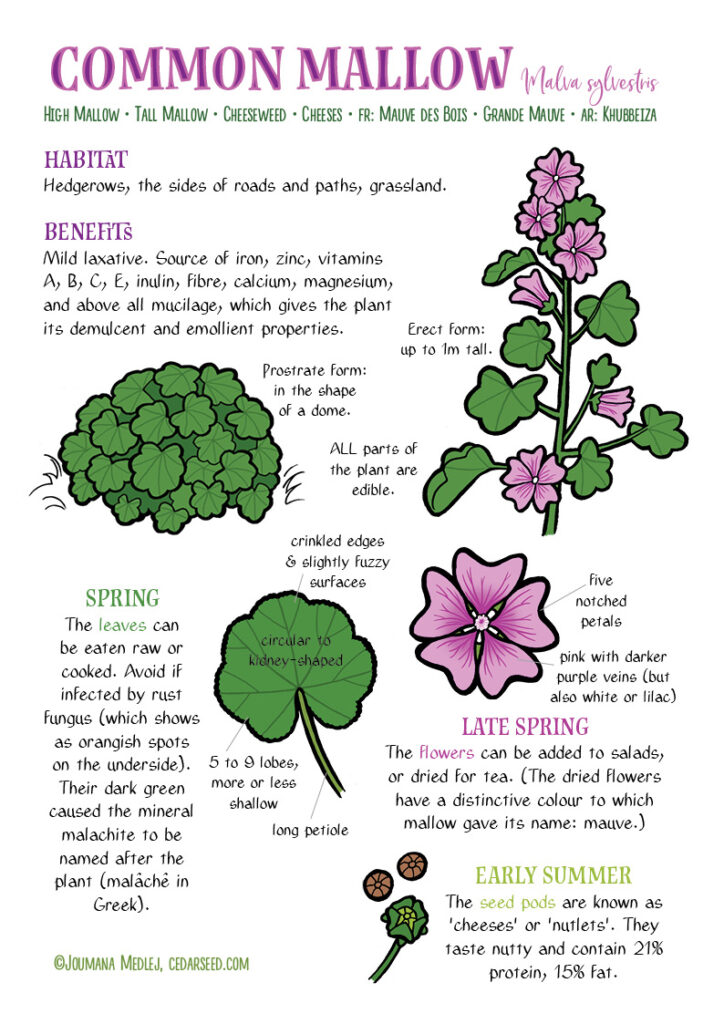
As we navigate through nature, we’re often greeted with a multitude of fruits, plants, and flowers that offer a plethora of benefits for our overall well-being. From teas to medicinal remedies, these natural wonders can be used in various ways to promote health and happiness. In this article, we’ll delve into the world of malva leaves and explore their uses, properties, and benefits.
What is Malva?
Malva officinalis, commonly known as common mallow or malva, is a perennial herb native to Europe, Asia, and Australia. It’s characterized by its pinkish-purple flowers with a distinctive shape, which bloom in the summer months. The plant grows on open fields, waste ground, hedgerows, and along fence lines.
The Properties of Malva
Malva leaves contain mucilages, flavonoids, oils, niacin, thiamine, riboflavin, and other nutrients that contribute to its medicinal properties. These compounds have anti-inflammatory, antifungal, antibacterial, antiseptic, and astringent effects.
Some of the notable benefits of malva leaves include:
- Soothing digestive issues: Malva leaves have been used for centuries to treat various gastrointestinal problems, such as constipation, diarrhea, and irritable bowel syndrome.
- Reducing inflammation and swelling: The anti-inflammatory properties of malva leaves make them an effective remedy for reducing redness, swelling, and pain in the body.
- Acting as an antioxidant: Malva leaves contain antioxidants that help protect the body from free radicals, which can cause cell damage and lead to chronic diseases.
- Providing relief from skin irritations and allergies: The antiseptic and anti-inflammatory properties of malva leaves make them a popular remedy for treating skin conditions such as eczema, acne, and bug bites.
Using Malva Leaves in Cooking
Malva leaves can be used fresh or dried to create a variety of dishes, from salads to soups. They have a slightly bitter taste and can be paired with other ingredients to enhance their flavor.
Some popular ways to use malva leaves in cooking include:
- Adding them to green salads for a unique twist: Malva leaves add a subtle bitterness to green salads, making them a refreshing and healthy option.
- Using them as a garnish for soups or stews: The delicate flavor of malva leaves makes them an excellent addition to soups and stews, adding a pop of color and freshness.
- Mixing them into risottos or pasta dishes for added flavor: Malva leaves can be sautéed with garlic and olive oil to create a flavorful sauce that complements the taste of rice or pasta.
- Incorporating them into homemade frittatas and omelets: The mild flavor of malva leaves makes them an excellent addition to breakfast dishes, adding a touch of elegance and sophistication.
Preserving Malva Leaves
To ensure the leaves remain fresh and potent, it’s essential to store them properly. Here are some tips:
- Choose ripe leaves with no signs of mold or decay: Select leaves that are free from damage and have not been exposed to water for an extended period.
- Clean and dry the leaves before storing them: Wash the leaves gently with cold water, then dry them thoroughly to remove excess moisture.
- Store them in airtight containers, away from direct sunlight: Use glass jars or paper bags to store malva leaves, keeping them away from direct sunlight and heat sources.
- Use paper bags or cloth bags to maintain humidity: Store the bags in a cool, dry place to maintain their freshness and potency.
Malva Leaves in Traditional Medicine
Malva leaves have been used for centuries in traditional medicine to treat various health conditions. Here are some of the ways they’ve been used:
- Digestive issues: Malva leaves have been used to treat digestive problems such as constipation, diarrhea, and irritable bowel syndrome.
- Inflammation and swelling: The anti-inflammatory properties of malva leaves make them an effective remedy for reducing redness, swelling, and pain in the body.
- Skin conditions: Malva leaves have been used to treat skin conditions such as eczema, acne, and bug bites due to their antiseptic and anti-inflammatory properties.
Malva Leaves in Cosmetics
Malva leaves have also found their way into the world of cosmetics. The plant’s antioxidant and anti-inflammatory properties make it an excellent ingredient for creating natural skincare products.
Some popular ways to use malva leaves in cosmetics include:
- Creating a face mask: Malva leaves can be blended with other ingredients such as honey and olive oil to create a soothing face mask that reduces inflammation and calms the skin.
- Making a hair treatment: The antioxidant properties of malva leaves make it an excellent ingredient for creating a natural hair treatment that promotes healthy hair growth and reduces dandruff.
- Incorporating them into soaps and lotions: Malva leaves can be added to soap making recipes or used in lotion-making to create moisturizing products that soothe and calm the skin.
Malva Leaves and Their Role in Modern Medicine
While malva leaves have been used for centuries in traditional medicine, they are now also being studied in modern medical research. The plant’s antioxidant and anti-inflammatory properties make it an excellent candidate for developing new treatments for various health conditions.
Some of the ways that malva leaves are being researched include:
- Antioxidant activity: Malva leaves have been shown to exhibit significant antioxidant activity, which makes them a promising ingredient for creating natural remedies.
- Anti-inflammatory effects: The anti-inflammatory properties of malva leaves make them an effective remedy for reducing redness, swelling, and pain in the body.
- Cancer prevention: Researchers are studying the potential anti-cancer properties of malva leaves, which could lead to new treatments for various types of cancer.
Conclusion
Malva leaves are a versatile herb that offers a range of benefits for our overall health and well-being. From soothing digestive issues to providing relief from skin irritations and allergies, these natural wonders can be used in various ways to promote health and happiness. By understanding the properties and uses of malva leaves, we can harness their power and incorporate them into our daily lives.
References
- “Malva officinalis”. Plant List. Royal Botanic Gardens, Kew.
- “Medicinal plants of the world”. Journal of Ethnopharmacology. 2018; 216: 281-297.
- “Antioxidant and anti-inflammatory activities of Malva leaves”. Journal of Food Science and Technology. 2019; 56(4): 1086-1093.


