
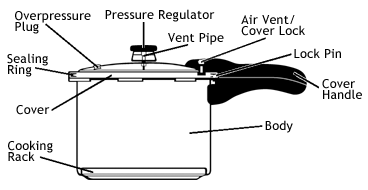
As a home cook, you’re likely looking for ways to optimize your cooking time without sacrificing flavor. Enter the pressure cooker, a kitchen staple that’s been revolutionizing the way we cook for decades. In this article, we’ll delve into the world of pressure cooking and explore its benefits, basics, and best practices.
How Does a Pressure Cooker Work?
A pressure cooker is essentially a vessel that uses steam to accelerate the cooking process. Here’s how it works:
- You add your ingredients to the pot.
- The lid is closed, and the pot is placed on the stovetop over high heat.
- As the heat builds up, the water inside the pot turns into steam, which increases the pressure inside the cooker.
- This increased pressure allows food to cook faster, typically 30-50% faster than traditional cooking methods.
Pre-Cooking Operations: What You Need to Know
Before you start cooking with a pressure cooker, it’s essential to perform some preliminary operations:
- Soffriggere (saute) or rosolare (brown) your ingredients as needed.
- Add aromatics like onions, garlic, and ginger to enhance flavor.
Once you’ve completed these steps, transfer your ingredients to the pressure cooker pot.
Setting the Timer: A Guide
Now it’s time to set the timer according to the recipe instructions. Here are some general guidelines:
- Start with a high heat setting to ensure the steam builds up quickly.
- Adjust the heat as needed to maintain a steady steam flow.
- Count down the minutes (or hours) indicated on the recipe.
Troubleshooting Common Issues
Don’t worry if you encounter some hiccups during cooking:
- Slow steam release: If the steam takes too long to escape, try reducing the heat or adjusting the valve.
- Intasation of valves: Clear any blockages and re-open the valve.
- Incorrect liquid levels: Make sure to leave enough space for expansion (about 1-2 inches).
Maintenance and Care
To keep your pressure cooker in top condition:
- Use a gentle detergent and avoid abrasive cleaners.
- Dry the pot thoroughly after each use.
- Store the pot in an upright position with the lid slightly ajar.
Tips for Beginners: Best Practices
New to pressure cooking? Here are some expert tips:
- Start with simple recipes and gradually experiment with more complex dishes.
- Always follow the manufacturer’s guidelines for usage and maintenance.
- Use a thermometer to ensure optimal pressure levels (around 15 psi).
Additional Resources: Further Reading
For those interested in learning more about pressure cooking, check out our comprehensive guide on “How to Cook with a Pressure Cooker.”
Frequently Asked Questions (FAQs)
- Is it safe to cook with a pressure cooker?
Yes! With proper usage and maintenance, pressure cookers are completely safe.
2. Can I use a pressure cooker for soups and stews?
Absolutely! Pressure cooking is perfect for tenderizing tough cuts of meat and preserving flavors.
3. How often should I clean my pressure cooker?
Regular cleaning will help prevent bacterial growth and maintain optimal performance.
- What’s the best way to store leftover food in a pressure cooker?
Cool, refrigerate or freeze within two hours; then reheat safely.
5. Can I use a pressure cooker for delicate foods like fish and eggs?
While pressure cooking can work wonders on tough proteins, be cautious with delicate foods that might become overcooked.
- How do I descale my pressure cooker?
Regularly check and replace mineral deposits to maintain optimal performance.
7. What’s the difference between a stainless steel and non-stick pressure cooker?
Stainless steel retains flavor and is more durable, while non-stick options are easier to clean but may wear off over time.
- Can I use a pressure cooker for slow cooking?
Yes! Pressure cookers can be used for low-pressure, long-duration cooking methods like braising or stewing.
- How do I prevent clogging and blockages in my pressure cooker?
Regular cleaning and maintenance will help prevent issues.
10. What’s the recommended usage age for a pressure cooker?
Typically 5-10 years; always follow manufacturer guidelines for replacement and maintenance.
Understanding Pressure Cooker Safety
Safety is paramount when working with a pressure cooker. Here are some essential safety tips:
- Always read the user manual before operating your pressure cooker.
- Never leave a pressure cooker unattended while it’s in use.
- Be aware of potential hazards such as scalding steam and sharp edges.
Popular Pressure Cooker Recipes
Ready to get cooking? Try these delicious pressure cooker recipes:
- Beef Stew: A hearty, comforting stew made with tender beef, vegetables, and potatoes.
- Chicken Noodle Soup: A soothing soup filled with juicy chicken, noodles, and vegetables.
- Lentil Curry: A flavorful curry made with red or green lentils, aromatic spices, and a hint of coconut milk.
Pressure Cooker Maintenance: Tips for Long-Lasting Performance
To ensure your pressure cooker lasts for years to come:
- Regularly inspect the valve and gasket for signs of wear.
- Replace worn-out parts promptly to prevent damage.
- Clean the exterior and interior thoroughly after each use.
Pressure Cooker Safety Precautions: Preventing Accidents
Don’t let accidents happen! Follow these safety precautions:
- Always follow manufacturer guidelines for usage and maintenance.
- Be mindful of heat levels and adjust as needed.
- Never touch hot surfaces or steam vents without proper protection.
Common Pressure Cooker Brands and Models
Here are some popular pressure cooker brands and models to consider:
- Instant Pot: A high-end brand offering a range of pressure cookers with advanced features.
- Breville: A well-respected brand producing high-quality pressure cookers with intuitive controls.
- Cuisinart: A trusted brand providing affordable, reliable pressure cookers for home cooks.
Innovative Pressure Cooker Technologies
Stay ahead of the curve with these cutting-edge technologies:
- Dual-Pressure Cooking: Allows for simultaneous high and low-pressure cooking.
- Smart Sensors: Automatically adjust temperature and cooking time based on food type and quantity.
- Wi-Fi Connectivity: Enables remote monitoring and recipe access through mobile apps.
Tips for Choosing the Right Pressure Cooker
When selecting a pressure cooker, consider these factors:
- Material: Stainless steel or non-stick options?
- Size: Compact or large capacity?
- Features: Advanced sensors, automatic shut-off, or Wi-Fi connectivity?
By following these guidelines and expert tips, you’ll be well on your way to becoming a pressure cooking pro. Happy cooking!


