
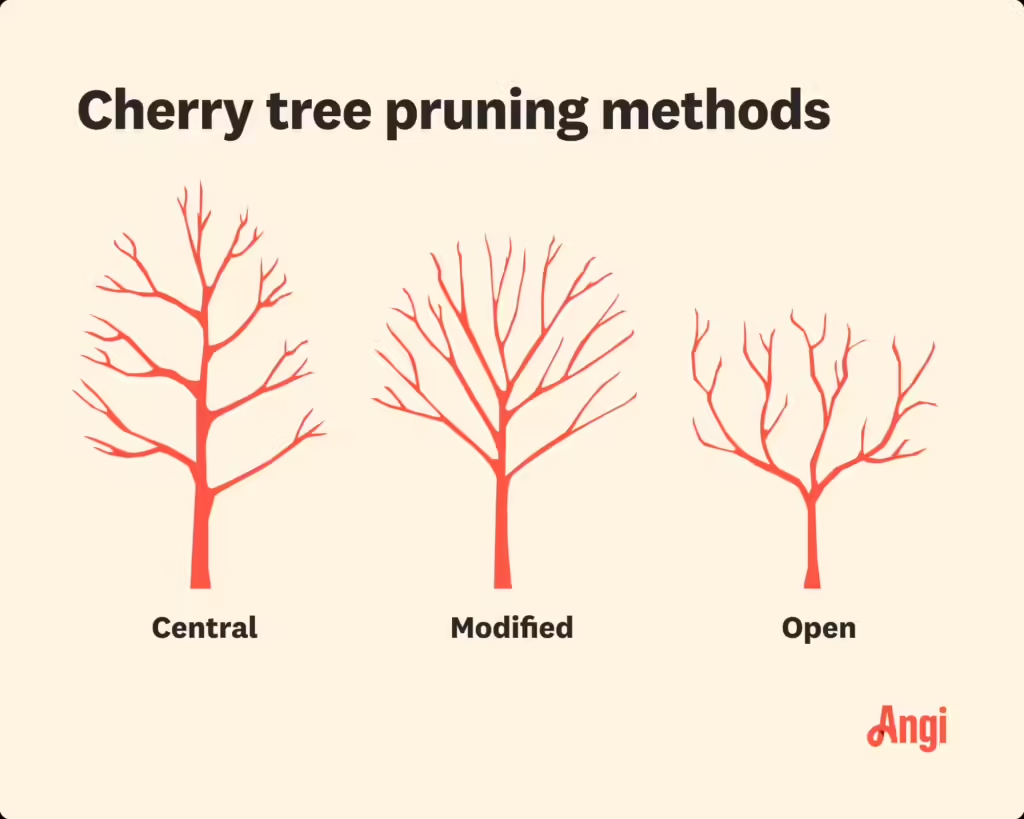
As an orchardist, it’s essential to understand the art of pruning a cherry tree. While some trees may require extensive pruning, cherry trees are actually quite forgiving and don’t need aggressive cutting back to thrive. In fact, gentle pruning methods like training and shaping can help maintain their natural beauty while keeping them healthy.
Understanding Cherry Tree Pruning
When it comes to pruning a cherry tree, there’s a fine line between too much and not enough. Over-pruning can cause stress to the tree, making it more susceptible to disease and pests. Conversely, under-pruning may lead to an unbalanced shape or uneven growth.
Cherry trees typically have two types of wood: leader wood and branch wood. Leader wood is the main trunk of the tree, while branch wood is any branch that grows from the leader. Pruning should focus on removing weak and crossing branch wood, as this can help improve air circulation, reduce disease pressure, and promote healthy growth.
Why Prune Cherry Trees?
Pruning is crucial for cherry trees because it:
- Promotes healthy growth: By removing dead or damaged branches, pruning helps the tree focus its energy on producing fruit and growing strong.
- Encourages balanced growth: Regular pruning ensures that the tree develops a well-balanced structure, which is essential for optimal fruit production.
- Enhances appearance: Pruning can help maintain the tree’s natural shape and promote a full, bushy canopy.
When to Prune Cherry Trees
The best time to prune cherry trees is during their vegetative growth phase. This typically occurs in late winter or early spring, before new leaves emerge. Pruning during this period helps the tree:
- Recover from winter damage: Pruning can remove dead or damaged branches that may have been damaged by winter weather.
- Prevent disease and pest issues: By removing infected or infested branches, pruning can help prevent the spread of disease and pests.
Pruning Techniques for Cherry Trees
There are several pruning techniques to consider when working with cherry trees:
- Training: Training involves guiding the tree’s growth by applying gentle pressure to specific branches.
- Shaping: Shaping involves pruning the tree to maintain its natural shape or create a desired form.
Pruning Cherry Trees: A Step-by-Step Guide
Here’s a step-by-step guide to help you prune your cherry tree like a pro:
- Inspect the tree: Before pruning, inspect the tree for any dead, damaged, or diseased branches.
- Remove dead wood: Use sharp pruning tools to remove any dead or damaged branches.
- Cut out crossing branches: Remove any branches that are rubbing against each other or growing inwards towards the center of the tree.
- Thin out the canopy: Thin out the canopy by removing select branches to allow more sunlight to reach the fruiting branches.
Common Pruning Mistakes for Cherry Trees
- Over-pruning: Avoid over-pruning, as this can stress the tree and lead to disease or pest issues.
- Not pruning regularly: Failing to prune regularly can result in an unbalanced shape or uneven growth.
Pruning Tools for Cherry Trees
When it comes to pruning cherry trees, having the right tools is essential. Here are some of the most commonly used pruning tools:
- Hand pruners: Hand pruners are ideal for small branches and delicate pruning tasks.
- Loppers: Loppers are perfect for thicker branches and can be used to cut out crossing branches.
- Pruning saws: Pruning saws are useful for larger branches and can be used to make precise cuts.
Cherry Tree Pruning Calendar
Here’s a cherry tree pruning calendar to help you plan your pruning schedule:
- Late winter or early spring: Prune cherry trees during their vegetative growth phase, typically in late winter or early spring before new leaves emerge.
- After blooming: Prune after the blossoms have finished blooming to avoid removing flower buds and fruiting branches.
Conclusion: The Art of Pruning a Cherry Tree
Pruning is a delicate art when it comes to cherry trees. By understanding the importance of pruning, identifying common mistakes, and using the right techniques, you can help your cherry tree thrive. Remember, gentle pruning methods like training and shaping can help maintain its natural beauty while keeping it healthy.
Frequently Asked Questions
Q: When should I prune my cherry tree?
A: The best time to prune cherry trees is during their vegetative growth phase, typically in late winter or early spring before new leaves emerge.
Q: How often should I prune my cherry tree?
A: Prune your cherry tree regularly to maintain its shape and promote healthy growth. Aim for at least once a year, but no more than twice if necessary.
Q: Can I prune my cherry tree in the fall?
A: It’s generally not recommended to prune cherry trees in the fall as this can encourage new growth that may be damaged by winter weather.
Q: How do I know what branches to remove?
A: Remove any dead, damaged, or diseased branches. Thin out the canopy by removing select branches to allow more sunlight to reach the fruiting branches.
Q: Can I use power tools for pruning cherry trees?
A: While it’s tempting to use power tools for pruning, they can damage the tree and lead to uneven growth. Stick to sharp hand pruners or loppers instead.
Q: Are there any specific pruning techniques for different types of cherry trees?
A: Yes, some types of cherry trees may require more specialized pruning techniques due to their unique growth habits. Consult a professional arborist if you’re unsure about the best approach for your specific tree type.
Additional Tips and Tricks
Here are some additional tips and tricks to help you prune your cherry tree like a pro:
- Make clean cuts: Always make clean cuts when pruning, using sharp tools to avoid tearing the bark.
- Remove all dead wood: Remove any dead or damaged branches to prevent disease and pest issues.
- Monitor for pests: Regularly inspect your cherry tree for signs of pests or diseases, such as aphids, spider mites, or powdery mildew.
- Fertilize regularly: Fertilize your cherry tree regularly to promote healthy growth and fruit production.
Common Pruning Challenges
Here are some common pruning challenges to watch out for:
- Under-pruning: Avoid under-pruning, as this can lead to an unbalanced shape or uneven growth.
- Over-pruning: Be careful not to over-prune, as this can stress the tree and lead to disease or pest issues.
Conclusion
Pruning is a crucial part of maintaining a healthy and thriving cherry tree. By understanding the importance of pruning, identifying common mistakes, and using the right techniques, you can help your cherry tree reach its full potential. Remember, gentle pruning methods like training and shaping can help maintain its natural beauty while keeping it healthy.
Frequently Asked Questions
Q: Why is pruning important for cherry trees?
A: Pruning helps promote healthy growth, encourages balanced growth, and enhances appearance by removing dead or damaged branches.
Q: What are the best tools to use for pruning cherry trees?
A: Hand pruners, loppers, and pruning saws are commonly used for pruning cherry trees.


