
Introduction
Cistus, also known as cisto, is a genus of plants that boasts an abundance of flowers. With its numerous species, each with its own unique characteristics, cistus has become a favorite among gardeners and flower enthusiasts alike. In this article, we will delve into the world of cistus, exploring its history, types, care, and how to cultivate it.
What is Cistus?
Cistus belongs to the family Cistaceae, comprising twenty different species of shrubs that grow approximately one meter in height. All species of cistus are evergreen, with some presenting foliage and stems with a soft, fuzzy texture. This plant is cherished for its abundant, continued flowering from April until the early summer months.
Characteristics of Cistus
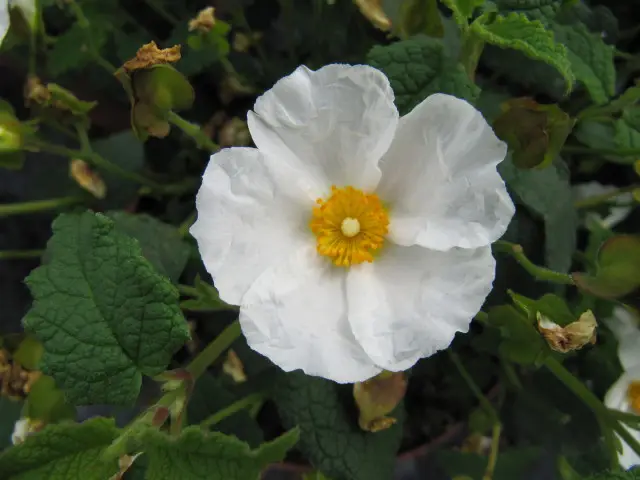
Cistus flowers can be white (white cisto), pink (pink cisto), purple, violet, or even red. Some varieties display bicolored petals with darker zones at their bases. Depending on the species, these flowers grow singularly or in clusters, forming terminal flowered cymes. Cistus blooms feature simple corollas that are wide open.
Why Choose Cistus?
This plant is particularly notable for its resistance to drought and saltiness, making it ideal for cultivating even in coastal gardens. It thrives in a Mediterranean climate, preferring dry conditions but tolerating temperatures up to 1000 meters of altitude when placed in sheltered locations with full sun exposure.
Choosing the Right Cistus Species
There are numerous species to choose from, each offering unique features and traits. Here are some popular options:
- Cistus ladanifer (White Cisto): Features white flowers with a reddish-purple throat.
- Cistus albidus (Rosa Cisto): Exhibits completely pink flowers without any purple markings.
- Cistus purpureus: Displays large, vibrant purple flowers that grow in groups of three.
- Cistus laurifolius: Features white blooms with dark green leaves.
- Cistus salvifolius (True White Cisto): Shows completely white flowers with yellow stamens and grey-green foliage.
Planting Cistus
Before planting, prepare the soil in early spring or late summer/early fall. Cistus prefers a well-draining, fertile soil that can be adapted to various terrains. However, if you’re growing Cistus salvifolius, it requires acidic soil.
Tips for Planting and Growing Cistus
- Prepare the soil thoroughly.
- Choose the right location with full sun exposure.
- Water adequately during planting but avoid overwatering.
- Provide regular fertilization using organic materials like letame or stallatico.
Fertilizing Cistus
To support abundant flowering, cistus requires nutrient-rich fertilizers. Use a balanced fertilizer at planting time and repeat every 3-4 months. Additionally, you can supplement your fertilizer with mineral-based products specifically designed for flower-enhancing plants.
Propagation of Cistus
Cistus is easily propagated using stem cuttings or seeds. This allows gardeners to multiply their plants and create new varieties with similar characteristics to the parent plant. Cuttings are typically taken from the tips of stems, while seeds can be collected after harvesting flowers.
Pruning Cistus for Healthy Growth
Regular pruning helps maintain a healthy shape and size for cistus plants. Remove dead or damaged branches in early spring, then prune back any overgrown sections during late summer/early fall. Be sure to leave some of the plant’s natural foliage intact to support its growth.
Potential Health Risks Associated with Growing Cistus
While generally low-maintenance, cistus can be susceptible to various pests and diseases if not properly cared for. Regular monitoring for signs of infestation or infection is key to preventing long-term damage. Common issues include spider mites, mealybugs, and fungal infections like powdery mildew.
Pest and Disease Management Strategies for Cistus
- Inspect your plants regularly for signs of pests or diseases.
- Use integrated pest management techniques that combine physical barriers, biological controls, and targeted pesticides when necessary.
- Practice good hygiene by removing any debris or fallen leaves from the area around your cistus plants.
Conclusion
Cistus is an attractive addition to any garden due to its vibrant flowers, evergreen foliage, and adaptability to various environments. With proper care and attention, this plant will thrive, providing a beautiful display of color in the spring and early summer months.
FAQs
- What’s the best way to fertilize cistus for optimal flowering?
- Can I grow Cistus salvifolius on different soil types?
- How often should I water my cistus during its first year of growth?
- Are there any potential health risks associated with growing cistus in coastal gardens?
- Which species of cistus is most suitable for full sun exposure?
- Can cistus be propagated using cuttings or seeds?
- How do I prune my cistus to maintain its shape and promote healthy growth?
- Are there any specific pest or disease management strategies for cistus plants?
Further Reading
- “Cistus: The Complete Guide” by John L. Williams
- “Gardening with Cistus” by Helen R. Martin
References
- “Cistaceae.” The Plant List, Royal Botanic Gardens, Kew.
- “Cistus ladanifer.” USDA PLANTS Database, United States Department of Agriculture.
- “Cistus albidus.” The Plant List, Royal Botanic Gardens, Kew.


