
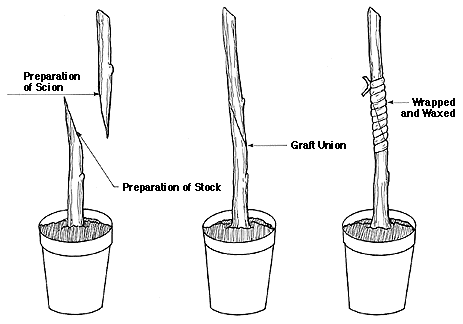
Grafting is a complex process that requires patience, skill, and attention to detail. It’s an ancient art that has been used for centuries to multiply fruit trees and plants, ensuring their survival and propagation. In this comprehensive guide, we’ll delve into the world of marza and portainnesto, exploring the best practices for conserving, selecting, and using these vital components of successful grafting.
Understanding Marza: The Key to Successful Grafting
Marza, also known as a scion or cutting, is a piece of stem that’s used to graft onto a rootstock. The quality and selection of the marza are crucial for successful grafting. You want to choose a piece of stem that’s healthy, vigorous, and has a good chance of thriving on its new host.
Determining the Best Time to Take Marza: A Critical Factor
The timing of taking marza is critical. In general, it’s best to take marza in late winter or early spring, when the tree is dormant. This allows for optimal healing and reduces the risk of infection. If you’re looking to graft your trees during the growing season, it’s best to wait until late summer or early fall.
Conserving Marza: A Time-Tested Technique
For centuries, gardeners have been conserving marza in creative ways. In the past, they’d bury the stem in a hole lined with soil and cover it with sabbia and other materials to protect it from extreme temperatures. Today, we can use more modern methods, such as storing marza in the refrigerator or a cool, dark place.
To conserve marza effectively:
- Use a fungicide to prevent infection
- Wrap the stem in a moist cloth or paper towel
- Store it in a plastic bag or container with air holes
Selecting the Perfect Portainnesto for Grafting: A Matter of Climate and Soil
A portainnesto, also known as a rootstock, is the plant onto which you’ll graft your marza. The choice of portainnesto can greatly impact the success of your grafting project.
- Look for healthy, vigorous plants with well-developed roots
- Consider factors like climate, soil type, and disease resistance when selecting your portainnesto
Grafting Essentials: Tools and Techniques
To successfully graft marza onto a portainnesto, you’ll need a few specialized tools. Here are some essentials to get you started:
- A sharp knife or pruning saw
- Grafting tape or clips
- A container for storing the grafted tree
When it comes to grafting itself, there are several techniques to choose from. Some popular methods include:
- Whip and tongue: This is a simple technique that involves cutting a small piece of stem (whip) from one plant and attaching it to the root system of another (tongue)
- Cleft grafting: In this method, you’ll make a shallow cut in the rootstock and insert the marza into the incision
- Bud grafting: This technique involves taking a small section of stem from one plant and attaching it to the root system of another
Tips for Successful Grafting
To ensure success with your grafting project, follow these tips:
- Use high-quality materials: Choose healthy, vigorous marza and portainnesto.
- Follow proper sanitation techniques: Clean and disinfect all tools and surfaces before starting the grafting process.
- Monitor the grafted tree closely: Keep an eye on the tree’s progress and be prepared to address any issues that arise.
Conclusion
Grafting is a complex process that requires patience, skill, and attention to detail. By mastering the techniques outlined in this article, you’ll be well on your way to creating healthy, thriving trees and plants. Remember to choose high-quality marza and portainnesto, use proper conservation techniques, and master various grafting methods for success.
Frequently Asked Questions
- When should I take marza?
- Late winter or early spring is usually the best time to take marza.
- How do I conserve marza?
- Use a fungicide, wrap the stem in a moist cloth, and store it in a plastic bag or container with air holes.
- What are some good options for portainnesto?
- Look for healthy, vigorous plants with well-developed roots.
- How do I graft marza onto a portainnesto?
- Use the whip and tongue, cleft grafting, or bud grafting technique.
By following these tips and guidelines, you’ll be able to create healthy, thriving trees and plants through successful grafting techniques. Happy gardening!
Advanced Grafting Techniques: Exploring New Methods
As a seasoned grafter, you may have encountered various challenges that require creative solutions. Here are some advanced grafting techniques that can help you overcome common obstacles:
- Budding: This technique involves taking a small section of stem from one plant and attaching it to the root system of another.
- Suckering: In this method, you’ll take a small piece of stem from a tree with multiple trunks and graft it onto a single trunk.
- Layering: This technique involves bending a long branch down to the ground and securing it with wire or twine. As the branch grows, it will form roots.
Common Grafting Mistakes: Avoiding Pitfalls
To ensure success with your grafting project, be aware of these common mistakes:
- Poor sanitation: Failing to clean and disinfect tools and surfaces can lead to infection and reduced success.
- Insufficient healing time: Allowing the grafted tree to heal for too long can result in poor root growth.
- Incorrect grafting technique: Using the wrong grafting method or technique can cause damage to the trees.
By avoiding these common mistakes, you’ll be able to create healthy, thriving trees and plants through successful grafting techniques.


