
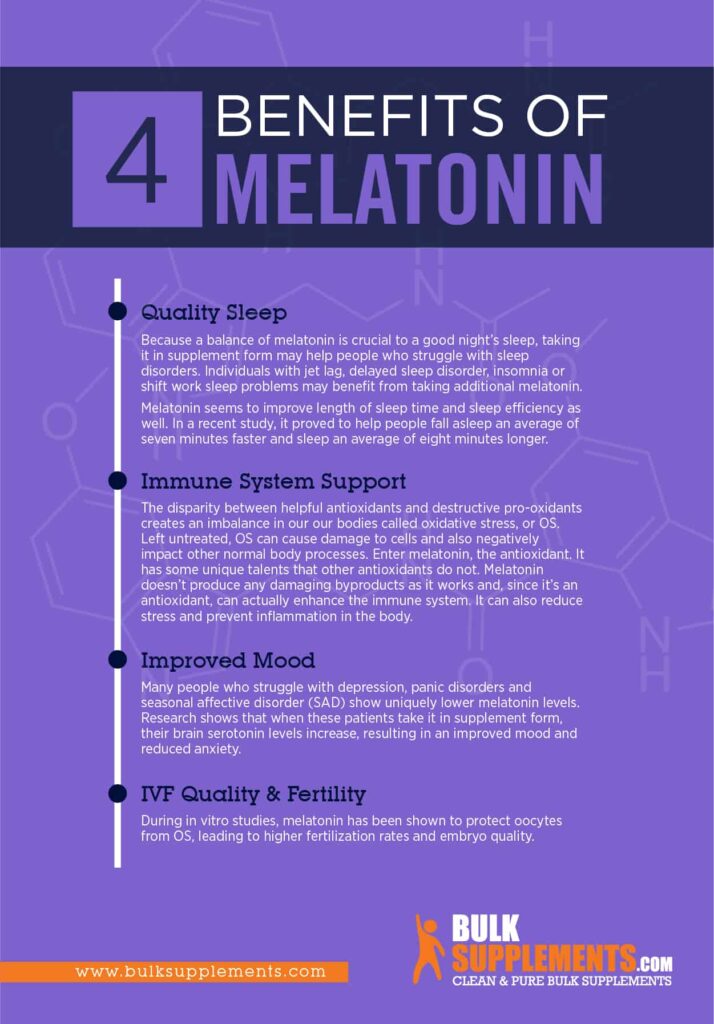
Melatonin is a hormone produced by the pineal gland, a small endocrine gland located in the brain. It plays a crucial role in regulating our circadian rhythms, particularly the sleep-wake cycle. In this article, we will explore the benefits and uses of melatonin, its natural production, potential side effects, and how it can be used to treat various health conditions.
What is Melatonin?
Melatonin is produced by the pineal gland in response to darkness and suppressed by light. It is typically synthesized in laboratory form and administered orally as capsules, gummies, or sub-lingual strips (tablets that dissolve under the tongue). The faster-absorbing sub-lingual strips are designed to mimic the body’s natural production of melatonin.
How Does Melatonin Work?
Melatonin works by binding to receptors in the brain, which helps regulate our sleep-wake cycle. It also has antioxidant properties, which can help protect against cell damage and oxidative stress. When taken as a supplement, melatonin can help promote relaxation, reduce anxiety, and improve sleep quality.
Who Can Benefit from Melatonin?
Melatonin is recommended for:
- People suffering from migraines
- Those experiencing jet lag
- Individuals with blindness or vision impairment to regulate their sleep-wake cycle
- Athletes who need to adjust their sleep schedule for competition
The Natural Production of Melatonin
Melatonin is produced naturally by the pineal gland, which receives light from the eye via the optic nerve. When it’s dark, the pineal gland releases melatonin to help regulate our sleep-wake cycle. In people with vision impairments, such as blindness or low vision, the natural production of melatonin may be disrupted, making external supplementation necessary.
Other Uses of Melatonin
Melatonin is also used to treat insomnia and other sleep disorders in children with autism, intellectual disability, or cerebral palsy. Research has shown that melatonin supplements can help alleviate these symptoms.
The Effectiveness of Melatonin for Insomnia
While melatonin seems effective in promoting sleep onset, its efficacy in addressing insomnia is still debated among researchers. According to studies, taking melatonin may result in only a 12-minute delay before falling asleep. However, it’s known to be beneficial for individuals who have recently stopped using benzodiazepines (e.g., Xanax, Tavor, Lexotan, Valium).
Combining Melatonin with Natural Remedies
For those seeking natural solutions to insomnia, combining melatonin with other calming substances like passionflower may prove more effective. Passionflower contains compounds that have a calming effect on the nervous system and can be found in supplements marketed as “Melatonina Diet” products.
Using Melatonin for Smoking Cessation
Research suggests that taking a single dose of melatonin (0.3 mg) 3.5 hours after quitting smoking may help alleviate withdrawal symptoms, such as irritability, anxiety, and depression. For faster absorption, sub-lingual strips like “Melatonina Pura Fast” are recommended.
Preventing Migraines with Melatonin
Taking melatonin in the evening before bed may help prevent migraines by regulating the body’s natural sleep-wake cycle. However, if a migraine episode occurs despite taking melatonin, it is likely to be less severe and shorter-lived.
Potential Side Effects of Melatonin
While generally considered safe for most adults when taken as directed, long-term use can lead to side effects like:
- Headaches
- Depression
- Daytime fatigue
- Vertigo
- Stomach cramps
- Irritability
Pregnant or breastfeeding women should avoid taking melatonin without consulting their doctor. It’s also important to note that people with diabetes, high blood pressure, depression, or epilepsy should consult their healthcare provider before using melatonin.
The Relationship Between Melatonin and Serotonin
Melatonin is produced from the neurotransmitter serotonin, which plays a crucial role in regulating mood, appetite, and sleep. The pineal gland converts serotonin into melatonin through a process involving an enzyme called HIOMT (hydroxyindole-O-methyltransferase). This enzyme is responsible for converting serotonin into melatonin, which is then released by the pineal gland to regulate our circadian rhythms.
Conclusion
In conclusion, melatonin has numerous benefits and uses, from regulating sleep-wake cycles to alleviating symptoms of insomnia, migraines, and smoking cessation. However, it’s essential to understand its limitations and potential side effects to use it safely and effectively.
Frequently Asked Questions (FAQs)
-
What is the recommended dosage of melatonin?
- The recommended dosage varies depending on age, health status, and purpose of use. It’s best to consult a healthcare professional for personalized guidance.
-
Can I take melatonin if I’m pregnant or breastfeeding?
-
No, it’s generally not recommended to take melatonina during pregnancy and breastfeeding without consulting your doctor first.
-
What are the potential side effects of melatonin?
-
Common side effects may include headaches, depression, daytime fatigue, vertigo, stomach cramps, and irritability. Rarely, more severe side effects can occur with prolonged use.
-
Can I take melatonin with other medications?
-
It’s best to consult a healthcare professional before taking melatonin if you’re already taking other medications, as interactions may occur.
-
How long does it take for melatonin to start working?
-
Melatonin typically starts working within 30 minutes to an hour after ingestion and can last for several hours.
-
Can I use melatonin to regulate my sleep-wake cycle if I have a circadian rhythm disorder?
-
While melatonin may help regulate some sleep-wake cycles, it’s not a substitute for medical treatment for disorders like delayed sleep phase syndrome or other circadian rhythm disorders. Consult a healthcare professional for guidance.
-
Can I take melatonin to prevent migraines?
-
Yes, taking melatonin in the evening before bed may help prevent migraines by regulating your body’s natural sleep-wake cycle.



