
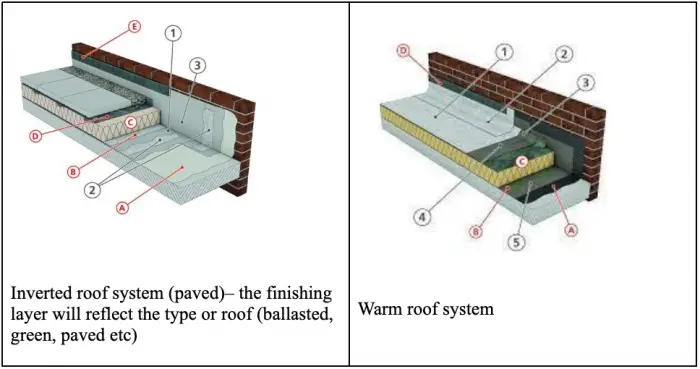
As a homeowner or building owner, selecting the right roof covering is crucial to ensure your property remains safe, energy-efficient, and dry. With various types of roof coverings available, it can be overwhelming to decide which one suits your needs. In this article, we will explore the differences between three common types of roof coverings: warm roof, cold roof, and reversed roof.
What’s the Difference Between a Warm Roof, Cold Roof, and Reversed Roof?
Before diving into the specifics, let’s clarify the terminology:
- Warm roof: A traditional type of roofing where the insulation is installed on top of the waterproofing layer.
- Cold roof (also known as ventilated roof): A design where the insulation is installed below the waterproofing layer, creating a ventilation gap between them.
- Reversed roof (also known as inverted roof or warm cold roof): A hybrid system that combines elements of both warm and cold roofs.
Tetto Reverso: The Most Isolated Option
A reversed roof offers exceptional insulation properties and is often considered the most energy-efficient option. By placing the insulation layer under the waterproofing layer, this design creates a tight seal, reducing heat transfer and minimizing moisture ingress.
Key benefits of a reversed roof include:
- Improved thermal insulation
- Enhanced weather-tightness
- Reduced risk of condensation and mold growth
Tetto Caldo: A Classic Choice
A warm roof remains a popular choice due to its simplicity and cost-effectiveness. The insulation layer is installed on top of the waterproofing layer, providing adequate protection against weather conditions.
However, this design also has its limitations:
- May not be as energy-efficient as reversed roofs
- Can lead to heat gain in summer months
- Requires additional measures to prevent moisture ingress
Tetto Freddo (Ventilated Roof): The Most Complex Option
A cold roof, or ventilated roof, is the most complex and expensive option. By installing insulation below the waterproofing layer, this design creates a ventilation gap that allows for airflow and heat dissipation.
Key benefits of a cold roof include:
- Excellent thermal insulation
- Reduced risk of condensation and mold growth
- Can be more energy-efficient than warm roofs
However, this design also comes with its challenges:
- Requires specialized installation techniques
- May require additional ventilation measures to prevent moisture buildup
Choosing the Right Roof Coverage for Your Property
When selecting a roof covering, consider factors such as climate, building type, and personal preferences. It’s essential to consult with a professional roofer or builder to determine the best option for your specific needs.
Some questions to ask yourself:
- What is my primary concern: energy efficiency, weather-tightness, or cost-effectiveness?
- Do I have a specific climate in mind (e.g., tropical, temperate, or arctic)?
- Are there any local building codes or regulations that need to be considered?
By understanding the differences between warm roofs, cold roofs, and reversed roofs, you can make an informed decision about your next roofing project.
Frequently Asked Questions
- What is the difference between a warm roof and a cold roof?
- A warm roof has insulation installed on top of the waterproofing layer, while a cold roof has insulation installed below the waterproofing layer.
- Which type of roof covering is most energy-efficient?
- Reversed roofs offer exceptional thermal insulation properties and are often considered the most energy-efficient option.
- Can I install insulation in my existing roof without replacing it?
- It’s possible to add insulation to your existing roof, but it may require specialized installation techniques and materials.
- How do I choose between a warm roof and a cold roof for my building project?
- Consider factors such as climate, building type, and personal preferences when selecting a roof covering. Consult with a professional roofer or builder to determine the best option for your specific needs.
Conclusion
Choosing the right roof coverage can be a daunting task, but by understanding the differences between warm roofs, cold roofs, and reversed roofs, you can make an informed decision about your next roofing project. Consider factors such as climate, building type, and personal preferences, and don’t hesitate to consult with a professional roofer or builder for guidance.
Additional Tips and Considerations
- Assess your property’s unique needs: Take into account factors like roof age, material, and condition when selecting a roof covering.
- Consider local building codes and regulations: Familiarize yourself with local building codes, zoning laws, and environmental regulations that may impact your roofing choice.
- Evaluate the cost-benefit ratio: Weigh the upfront costs of installing a new roof against the long-term benefits of improved energy efficiency, reduced maintenance, and increased property value.
- Choose a reputable roofer or builder: Research local contractors with experience in your chosen roofing type to ensure high-quality installation and optimal performance.
By following these guidelines and considering your specific needs, you can select a roof covering that provides the perfect balance of functionality, efficiency, and aesthetics for your home or building.


