
As the seasons change, many of us look to prune our hedges to maintain their shape and promote healthy growth. But how do you go about creating a pruned hedge? In this article, we’ll explore the best time to plant, choose the right plants, and provide guidance on designing and installing your perfect hedge.
When to Plant a Hedge
The ideal time to plant a hedge is during autumn or early spring, when the weather is mild and rainfall is plentiful. This allows the plants to establish themselves before the heat of summer sets in. If you live in the northern regions of Italy, it’s best to delay planting until April, after the risk of late frosts has passed.
Cost of a Hedge
The cost of creating a hedge depends largely on the type and size of plants chosen. Larger, more established plants can be expensive, but they’ll also grow faster and require less maintenance in the long run. We recommend choosing smaller plants (around 100-160 cm) to minimize initial costs and maximize growth.
Choosing the Right Plants
When selecting plants for your hedge, consider species native to your region. These will be more resistant to local weather conditions and diseases. If you’re still unsure, our article on alternative trees is a great resource.
Designing Your Hedge
Before planting, it’s essential to create a design plan. Consider whether you want a single row of plants or multiple parallel rows. For perimeter hedges, ensure you respect local regulations regarding distances from neighboring properties.
For shrub-only hedges, follow the guidelines outlined in our article on pruning and maintaining hedges.
Planting Your Hedge
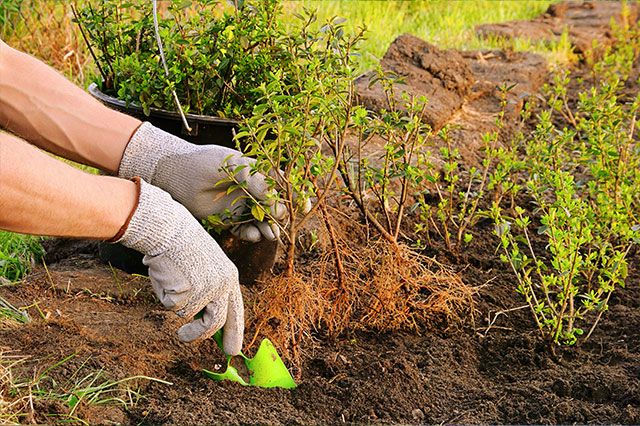
To plant your hedge, start by preparing the soil. From September to October, create a 30-40 cm wide trench and fill it with a mix of fertile topsoil and granular fertilizers high in nitrogen and phosphorus. Avoid direct contact between the fertilizer and roots.
Next, add a layer of peat moss or wood chips to line the trench, followed by a uniform covering of soil. When planting, create holes compatible with the root system of each plant, spaced according to the specific plant’s requirements (see below).
Planting Distances
The distance between plantings varies depending on the species:
- Cypresses: 100 cm
- All other shrubs and small trees: 80-50 cm
For a more detailed guide, check out our article on how to create a hedge.
Choosing Your Hedge Plants
To ensure your hedge thrives, select plants suitable for your region’s climate. By choosing local species, you’ll minimize the risk of disease and maintain a healthy, thriving hedge.
Here are some popular options:
- Photinia: A fast-growing evergreen with vibrant red new growth
- Tuia: Known for its medicinal properties, this native New Zealand tree is perfect for hedges
- Lagerstroemia: A stunning flowering shrub ideal for adding color to your garden
- Lauroceraso: A popular choice for hedges, with beautiful, dark green leaves and vibrant flowers in summer
- Pitosforo (Pittosporum): A versatile, evergreen tree suitable for a variety of climates
- Ligustro (Cotoneaster): A low-maintenance shrub perfect for adding structure to your garden
Tips for Choosing the Right Plants
When selecting plants for your hedge, consider factors such as:
- Climate and weather conditions
- Soil type and quality
- Sunlight and shade levels
- Maintenance requirements
- Growth rate and density
By considering these factors, you can choose the perfect plants for your hedge and ensure it thrives over time.
Planting a Hedge in a Small Garden
If you have a small garden, don’t worry – there are still plenty of options for creating a beautiful hedge. Consider using compact or dwarf varieties of plants, which require less space and maintenance.
Here are some tips for planting a hedge in a small garden:
- Choose smaller plants that won’t overwhelm the space
- Use containers or raised beds to create a mini-hedge
- Plant multiple rows of smaller plants to achieve a fuller look
Pruning Your Hedge
Once your hedge is established, it’s essential to prune it regularly to maintain its shape and promote healthy growth. Here are some tips for pruning your hedge:
- Prune in the spring or fall, when new growth is present
- Use clean and sharp tools to avoid spreading diseases
- Remove dead or damaged branches to prevent decay
Conclusion
Creating a pruned hedge requires careful planning and execution. By choosing the right plants, respecting local regulations, and following our expert tips, you’ll be well on your way to creating a beautiful, thriving hedge that adds value to your property.
Frequently Asked Questions
Q: What is the best time to plant a hedge?
A: Autumn or early spring, when weather is mild and rainfall is plentiful.
Q: How often should I water my hedge plants?
A: Water thoroughly during hot weather, but avoid overwatering, which can lead to root rot and other problems.
Q: Can I prune my hedge in winter?
A: Yes, but be cautious not to damage the plants with extreme cold or frost.
Q: How often should I fertilize my hedge?
A: Fertilize once a year during spring or fall, according to the manufacturer’s instructions.
Q: What is the best way to maintain a hedge?
A: Regular pruning and watering, along with occasional fertilization and pest control.
By following these expert tips and guidelines, you’ll be able to create a beautiful and thriving hedge that enhances your property and brings joy to your garden.


